 Rock Springs to Rawlins.
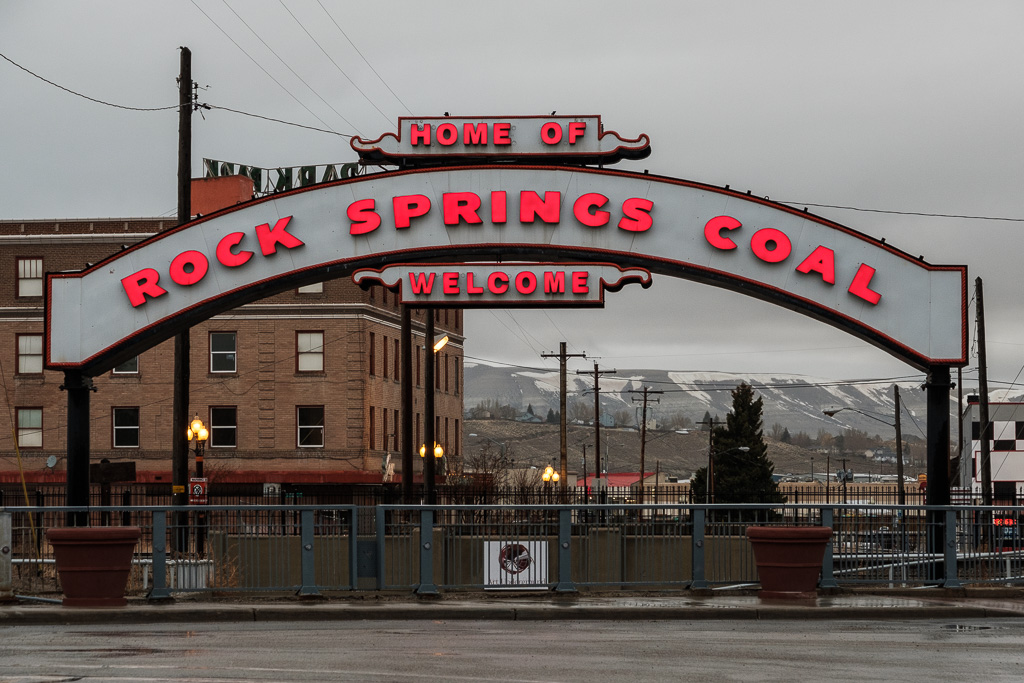
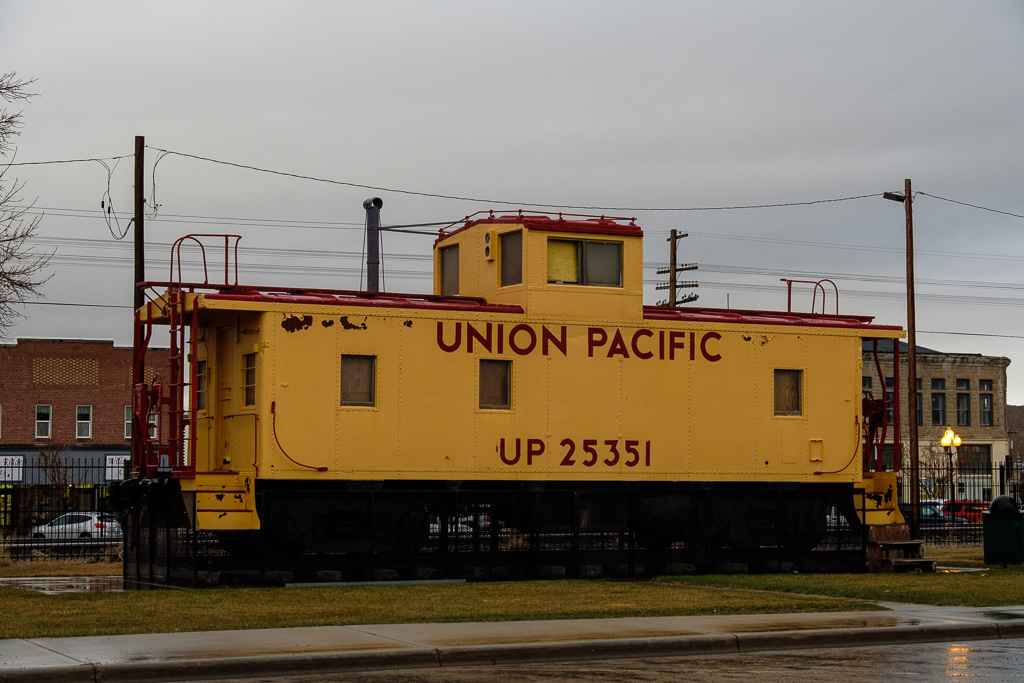
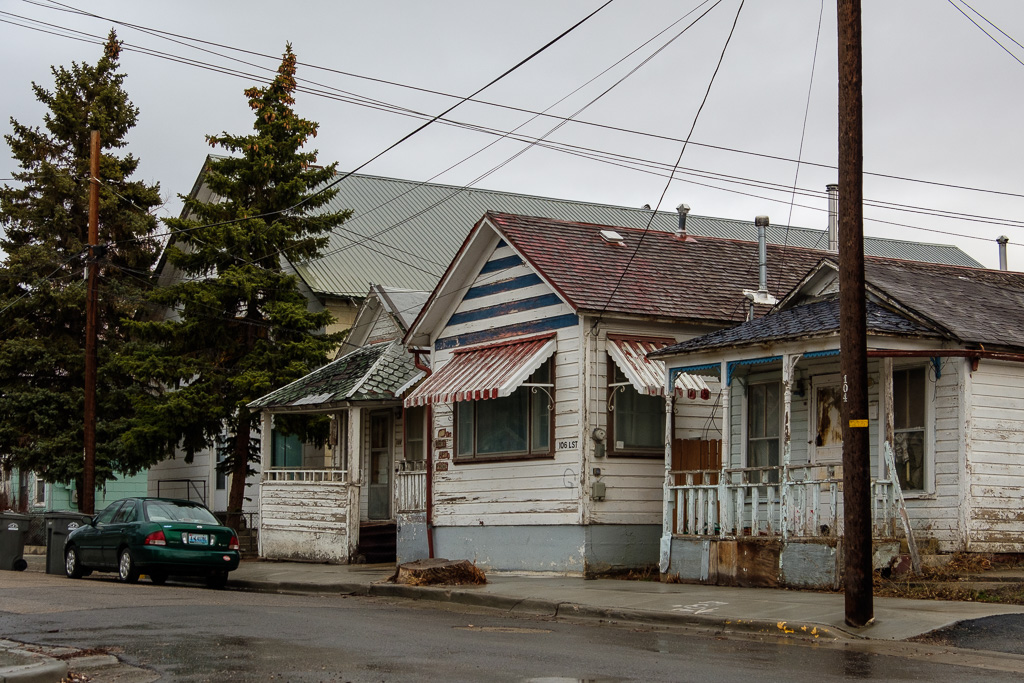
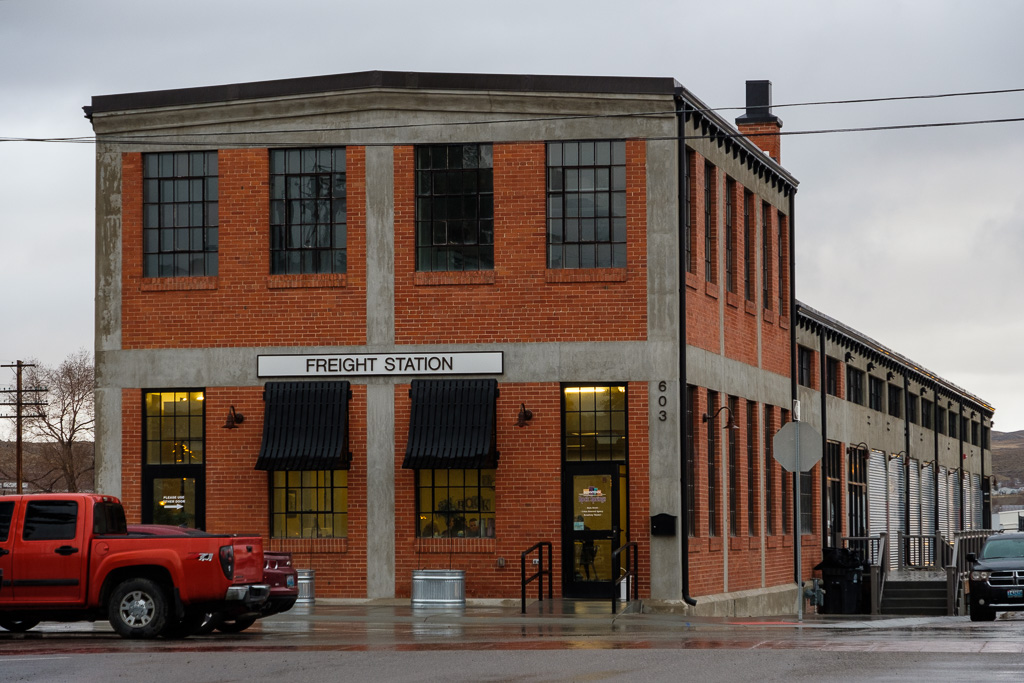
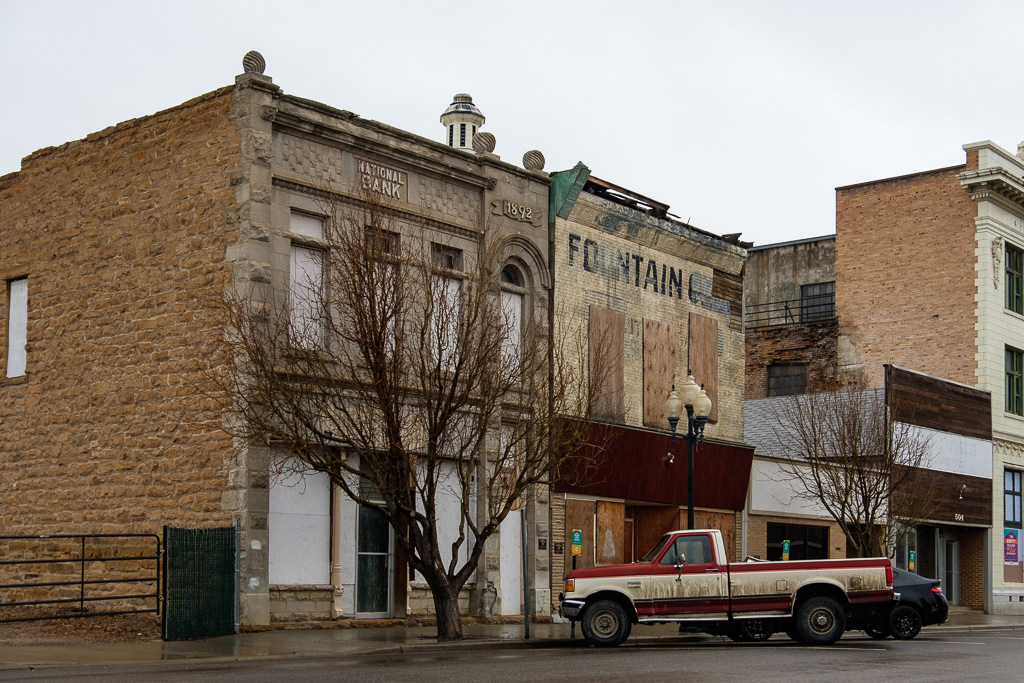
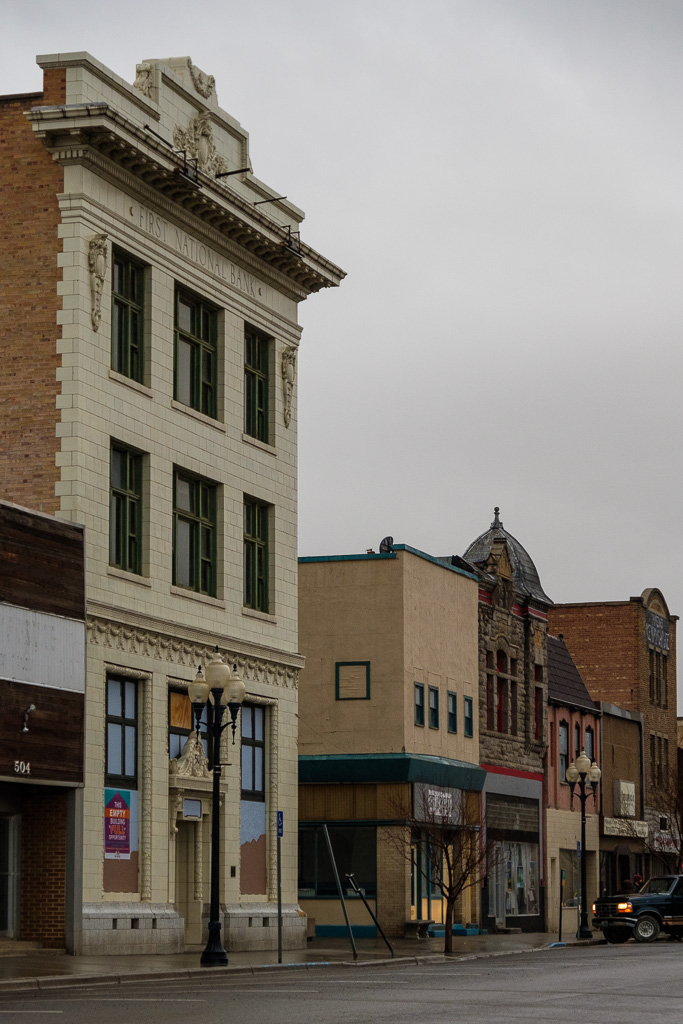
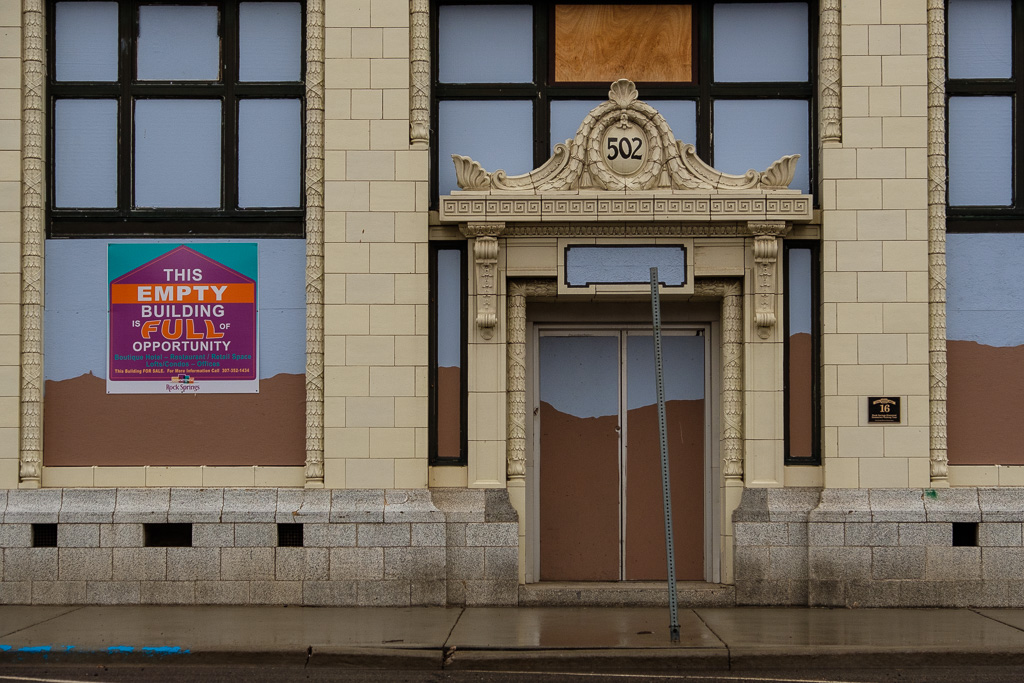
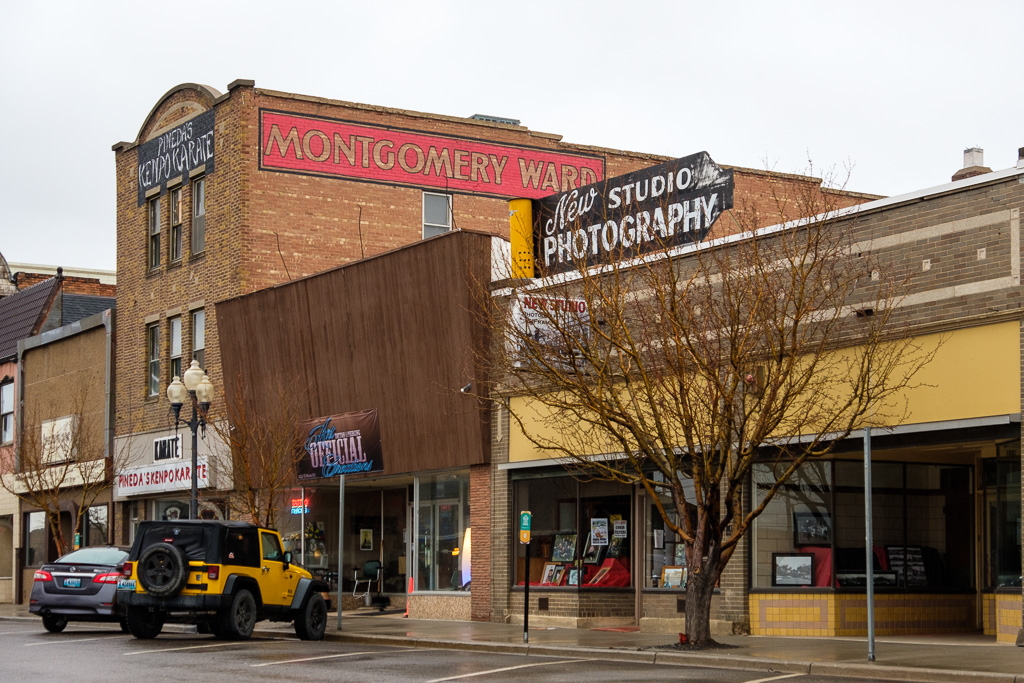
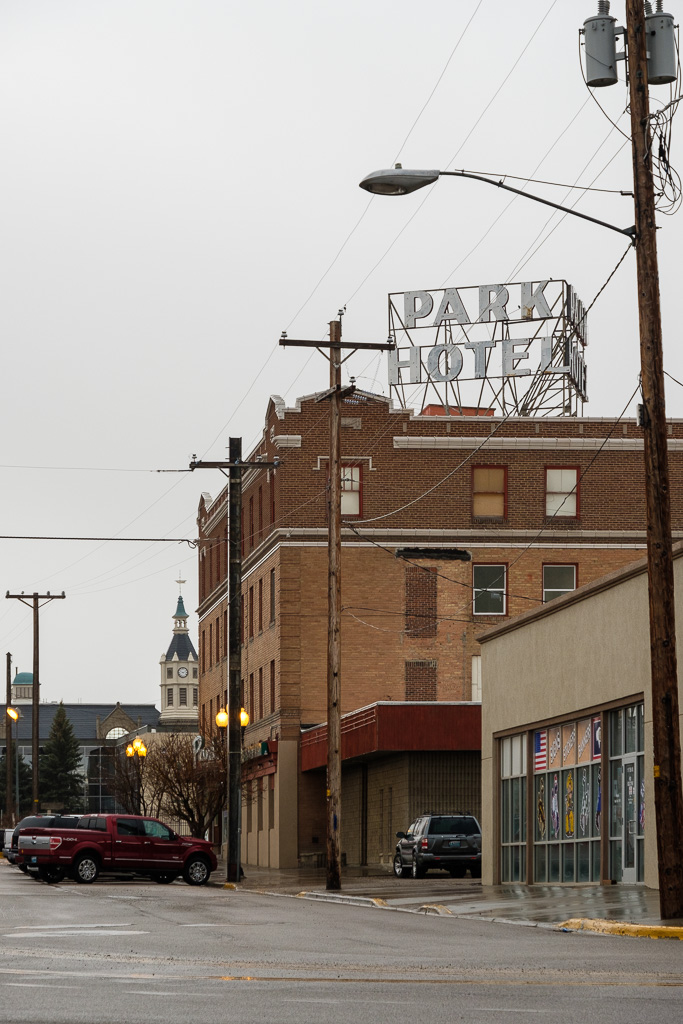
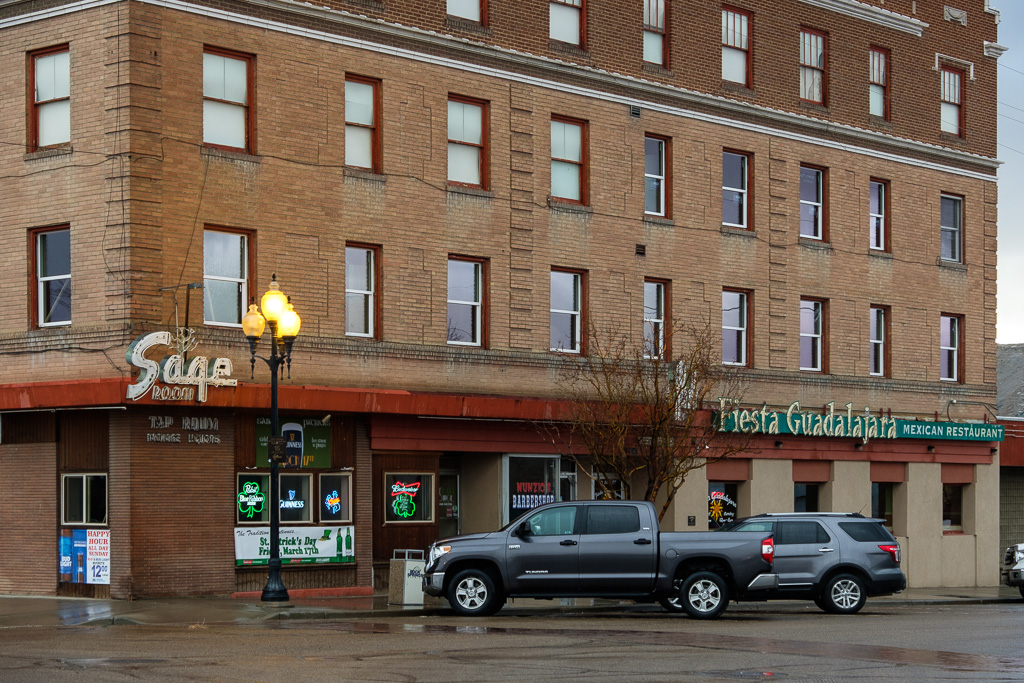
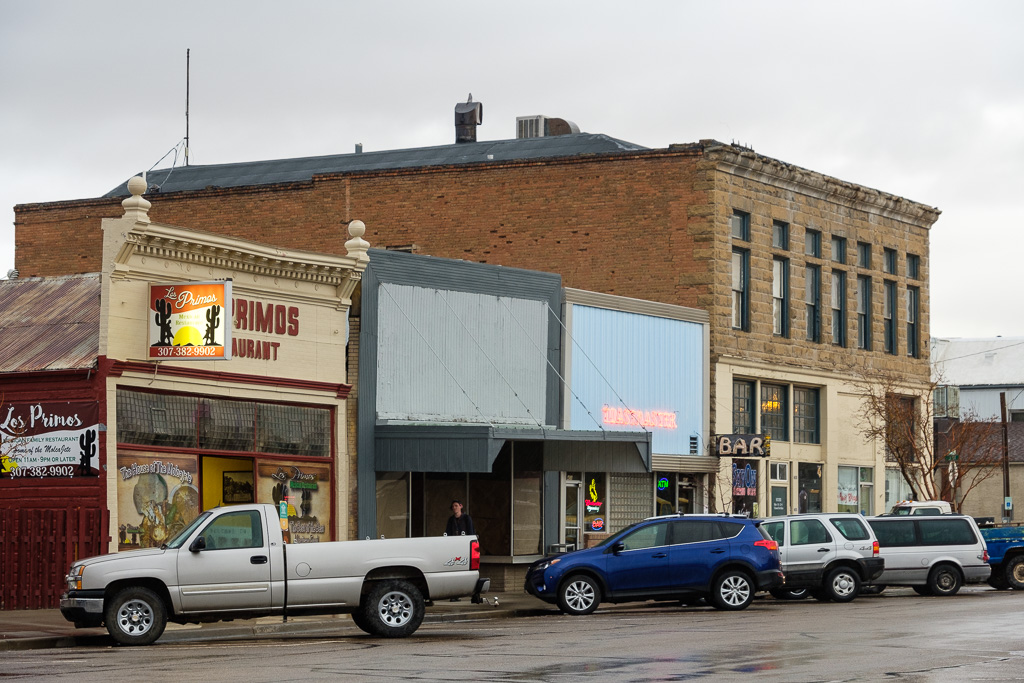
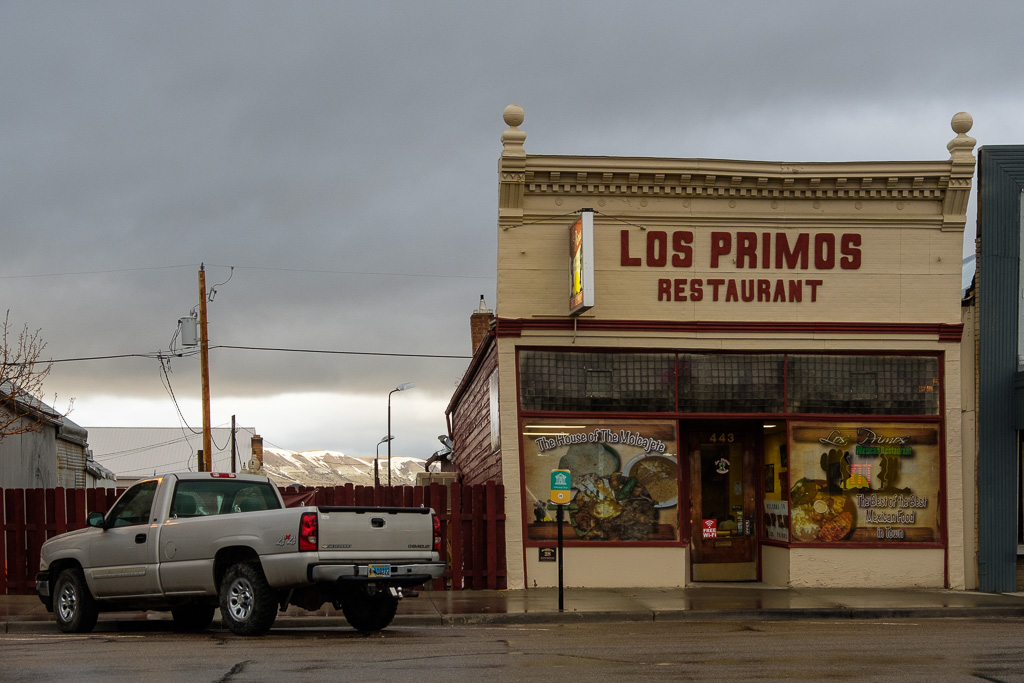
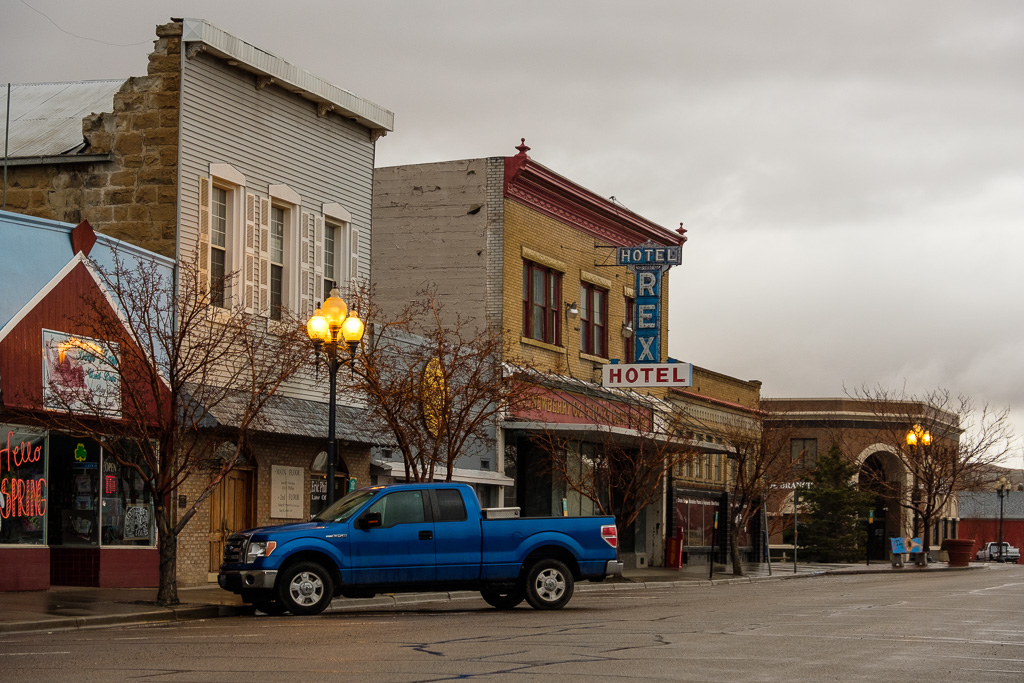
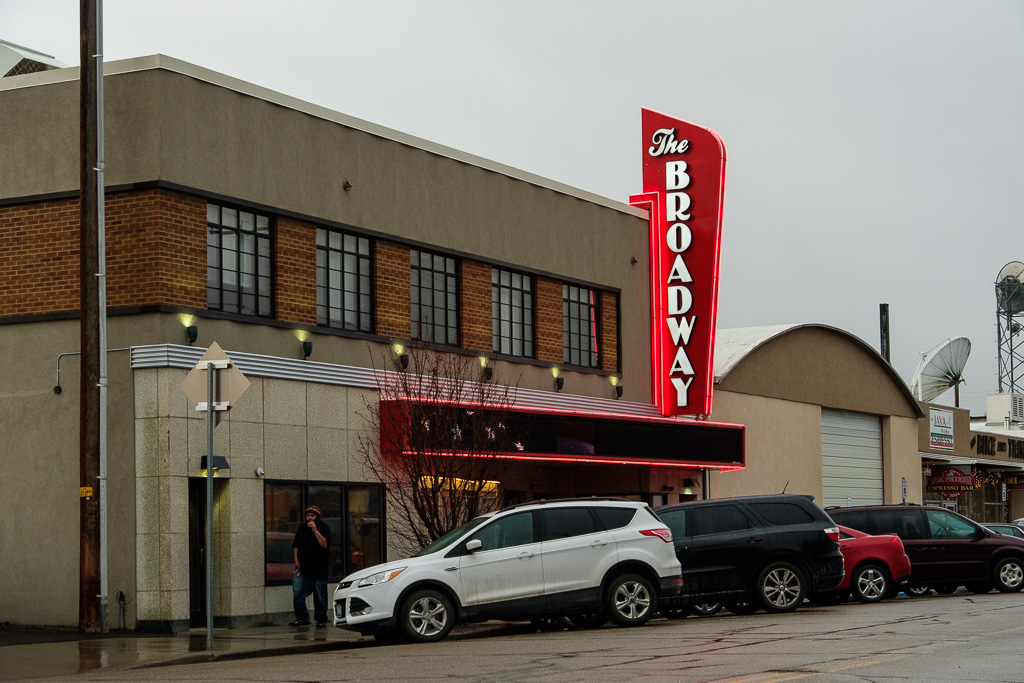
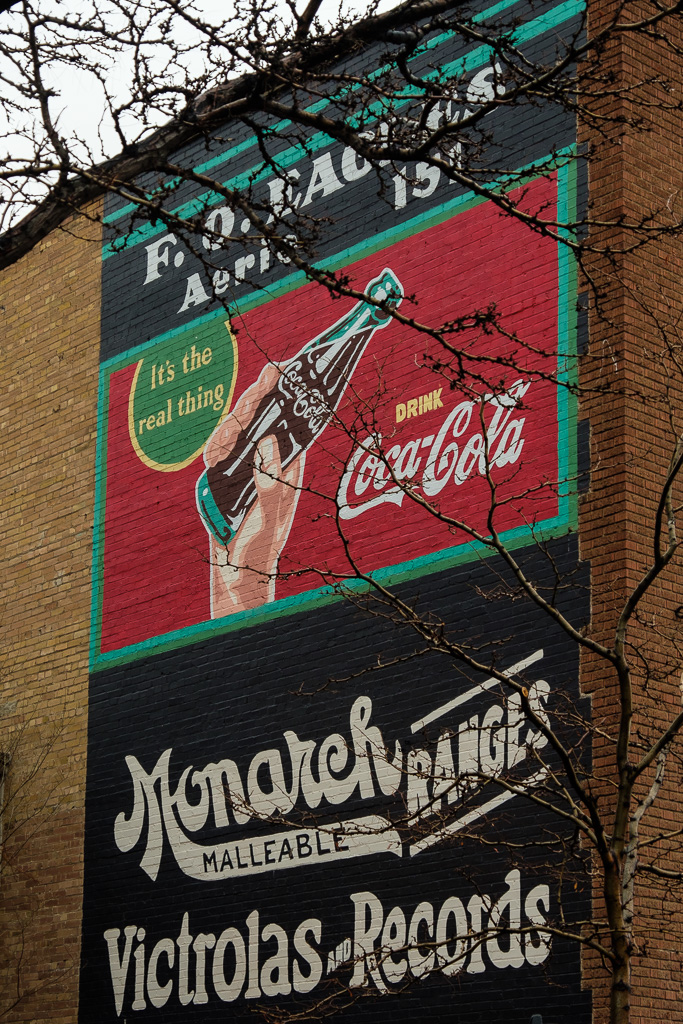
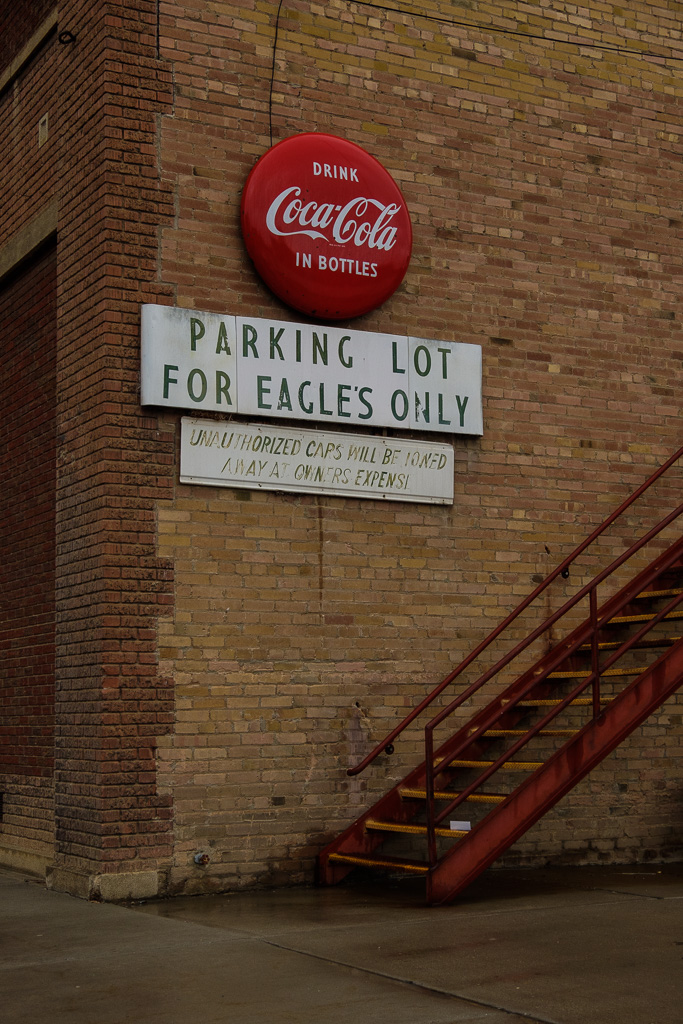
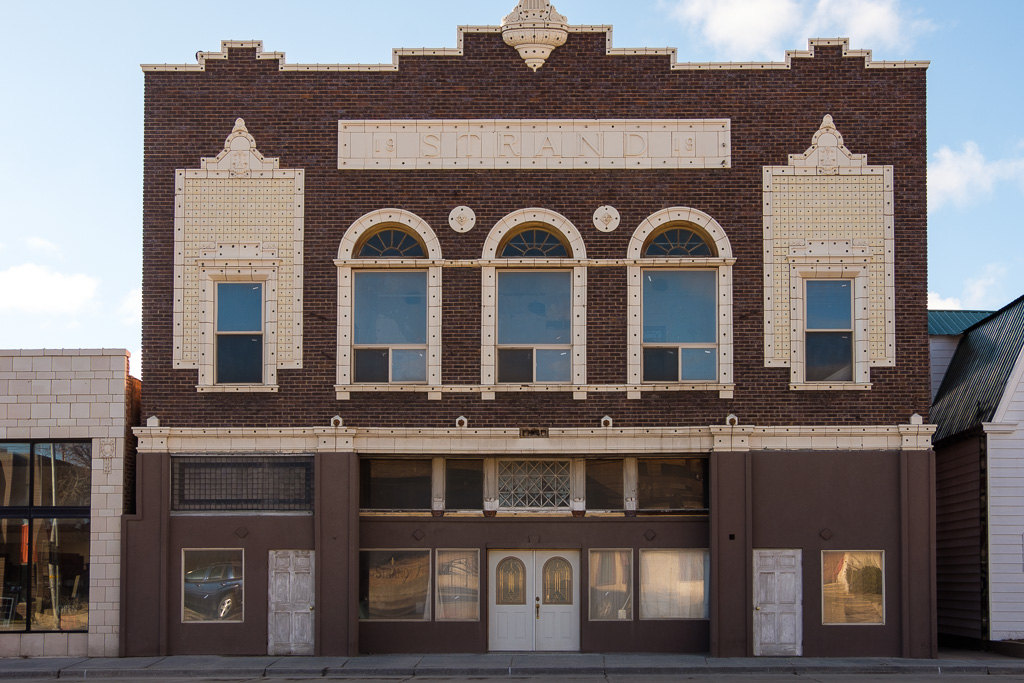
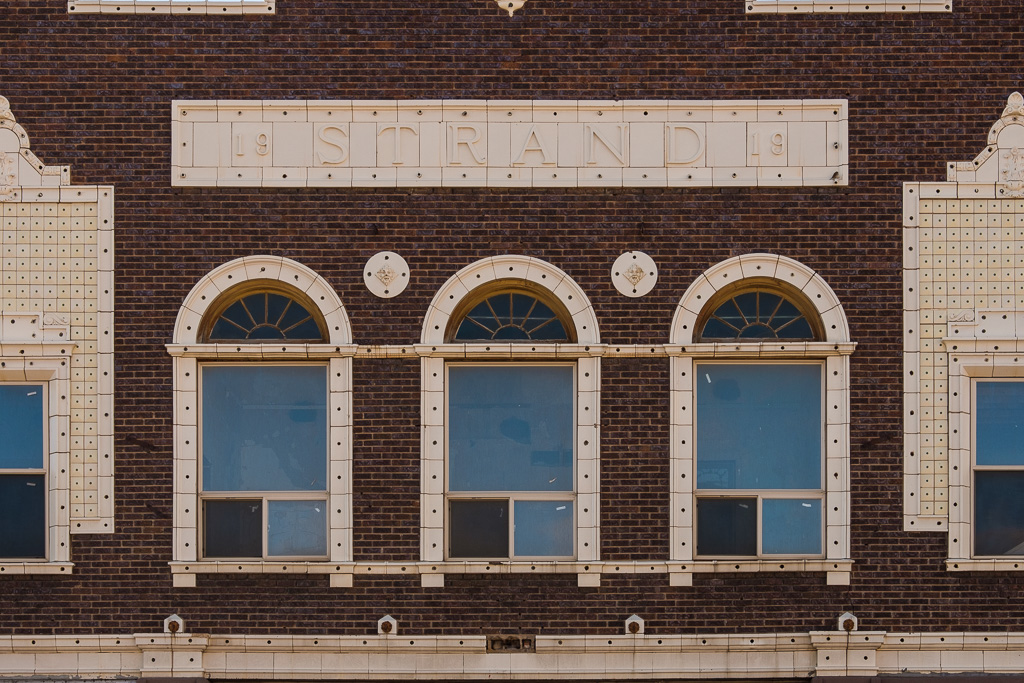
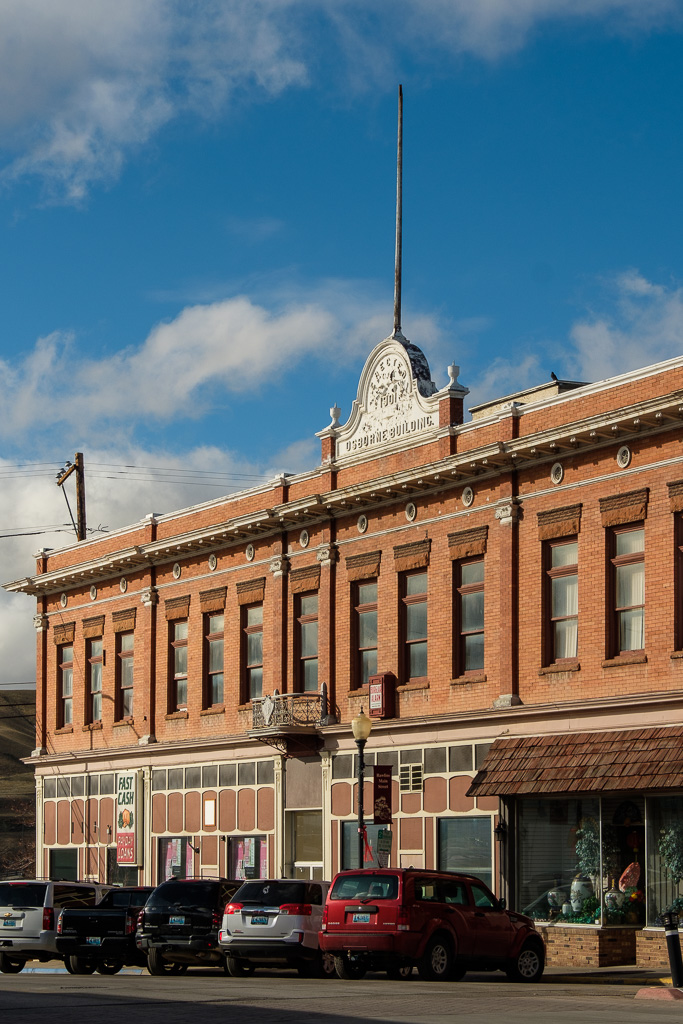
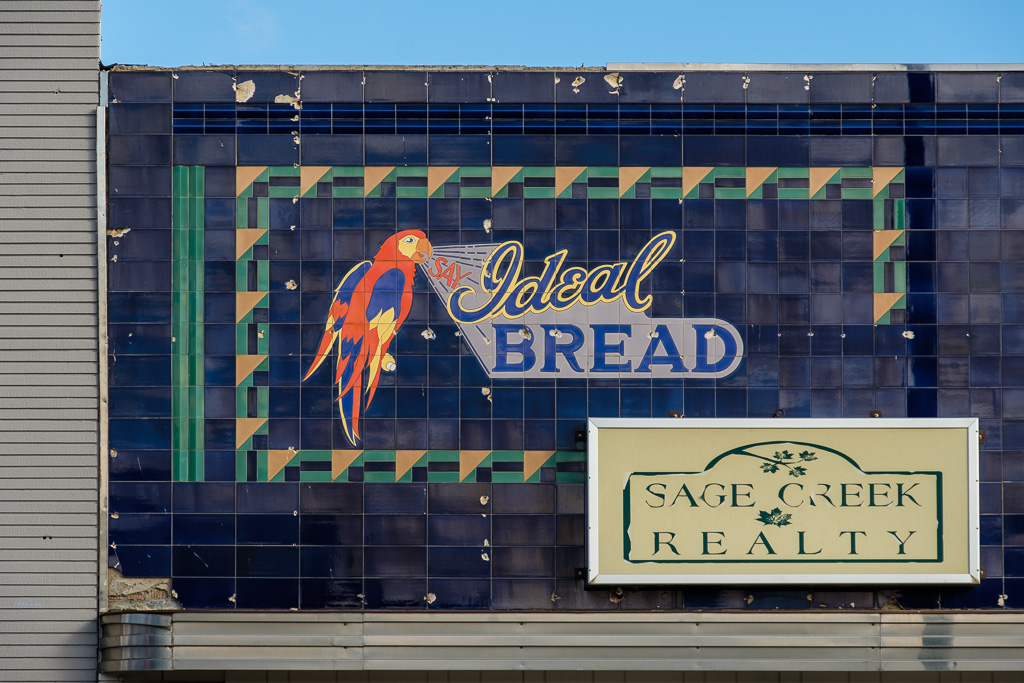
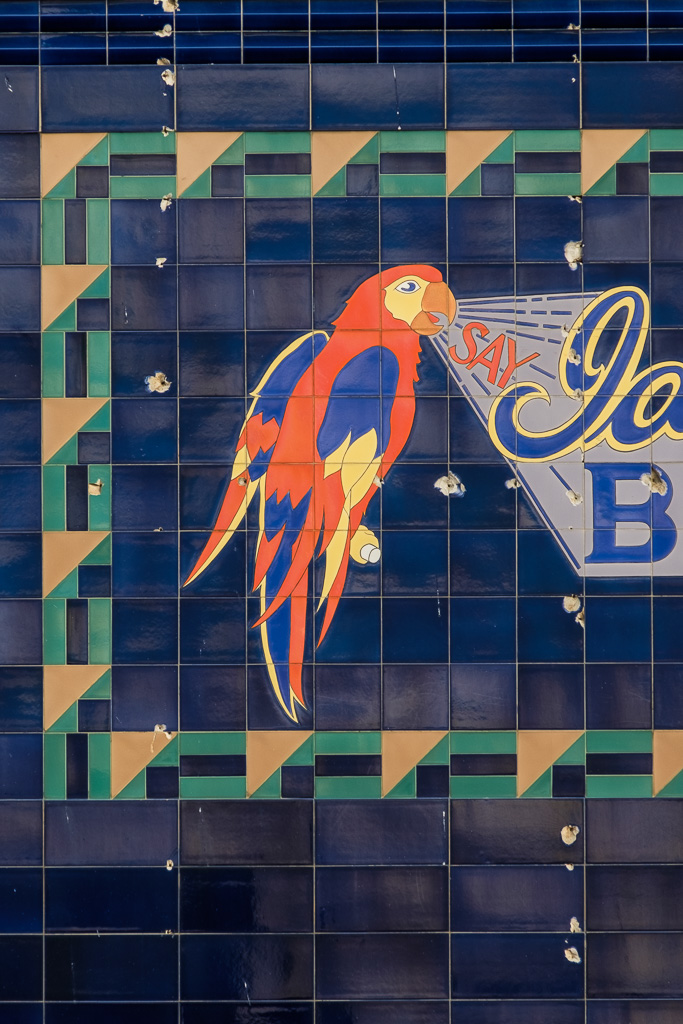
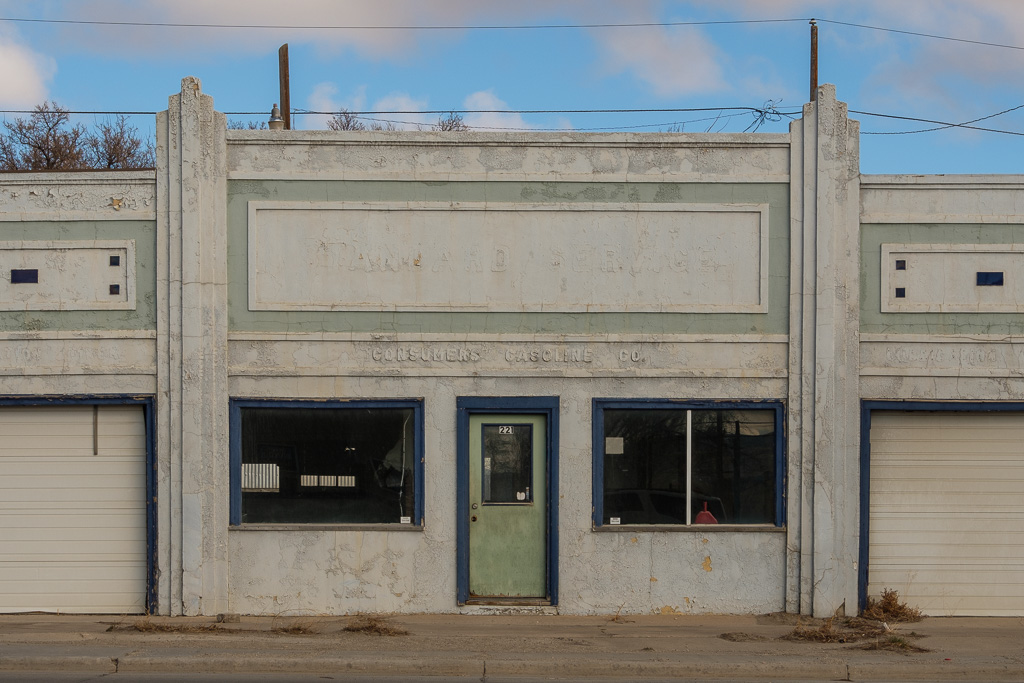
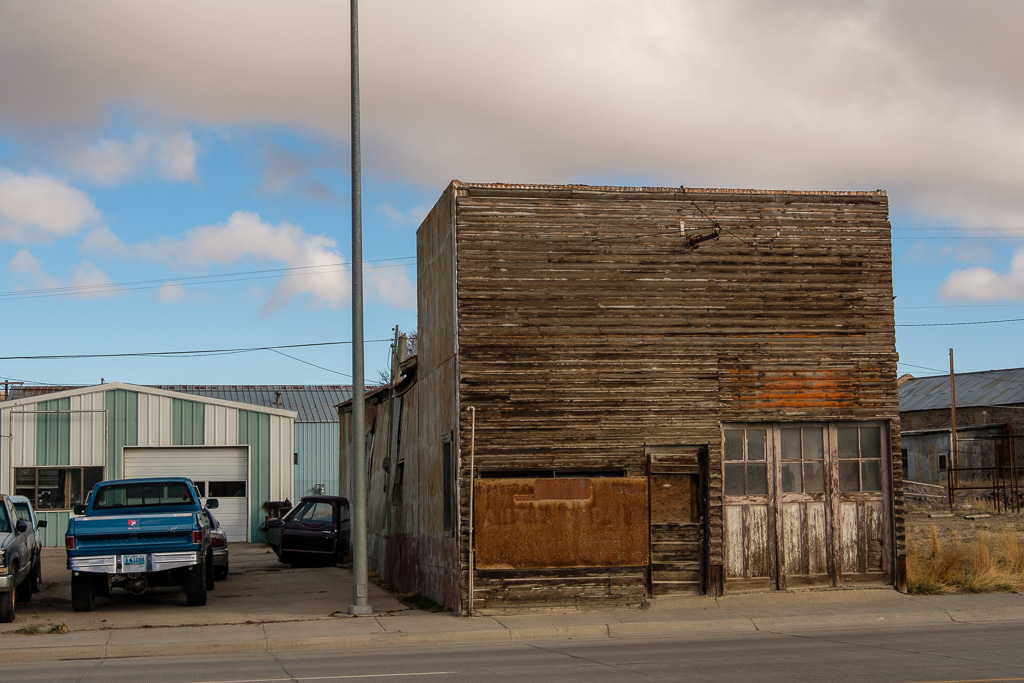
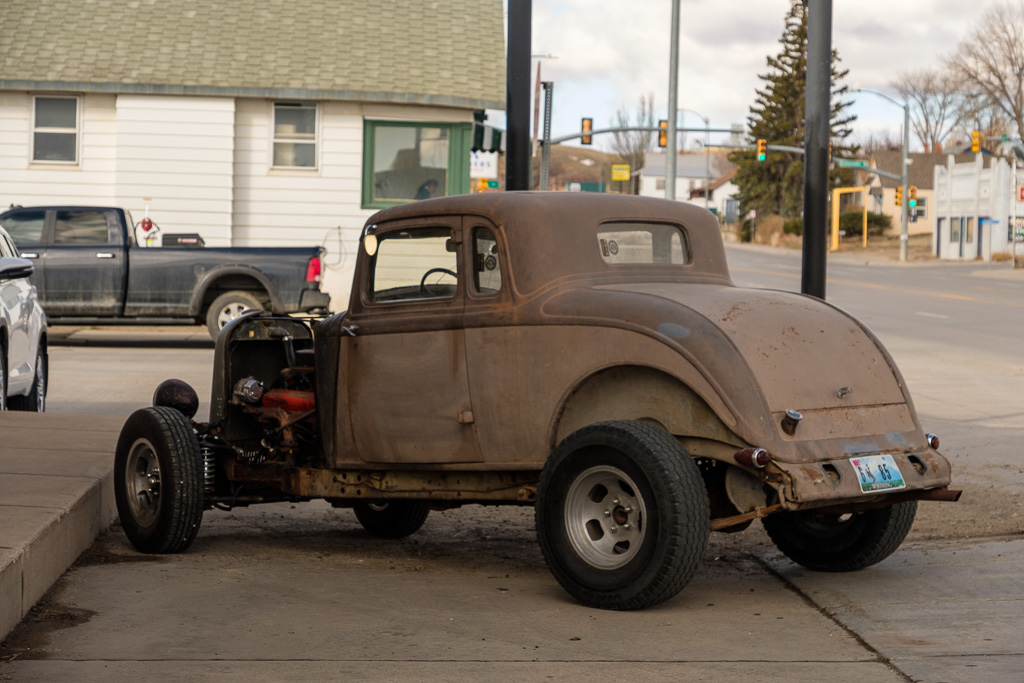
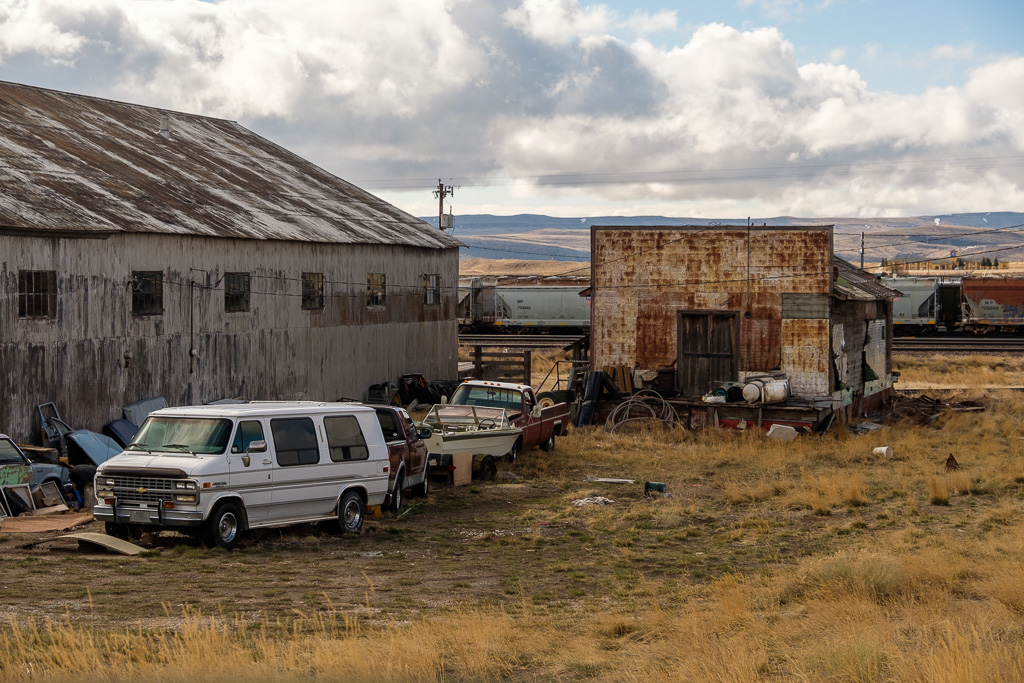
In this set, first we’ll see the balance of the photos I took in Rock Springs, Wyoming. It was towards the end of a long day of driving (with Rawlins as my destination for the overnight). It sounded great on the Wyoming website – “vibrant” is how it is described. I didn’t sense the vibrancy.
I mentioned in the previous post that Rock Springs is in the Wyoming coal country. According to what I read it’s been over a half a century since the last mine closed. Over the years more than 100 million tons of coal were mined in shafts twisting and snaking for miles underneath the city. Since the last mine closed in 1963, apparently Rock Springs had moved on to oil and gas. From what I saw in the city center, there doesn’t seem to be much evidence of new prosperity (at least in the downtown). What I read also said that the historic part of the city suffers from sinkholes and other severe subsidence problems. Maybe it was the gloomy weather and the waning light, but Rock Springs did not make much of an impression on me.
On a somber note, the infamous Rock Springs massacre, also known as the Rock Springs Riot, occurred on September 2, 1885, in the present-day city of Rock Springs. The riot, between Chinese immigrant miners and white immigrant miners, was the result of racial tensions and an ongoing labor dispute over the Union Pacific Coal Department’s policy of paying Chinese miners lower wages than white miners. This policy caused the Chinese to be hired over the white miners, which further angered the white miners and contributed to the riot. When the rioting ended, at least 28 Chinese miners were dead and 15 were injured. Rioters burned 78 Chinese homes. (From Wikipedia.)
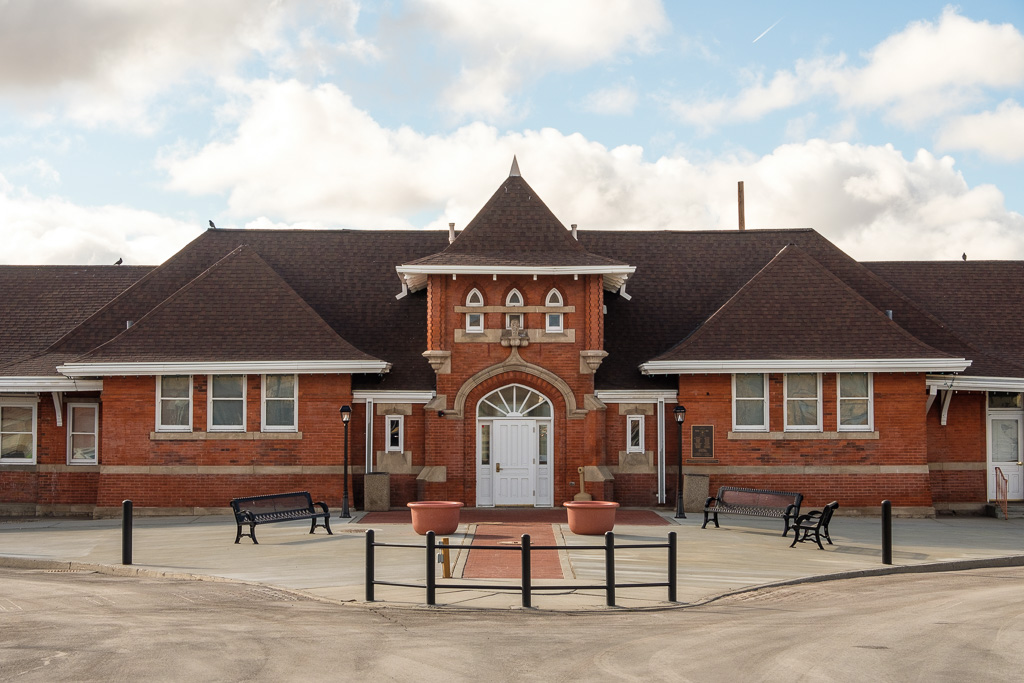
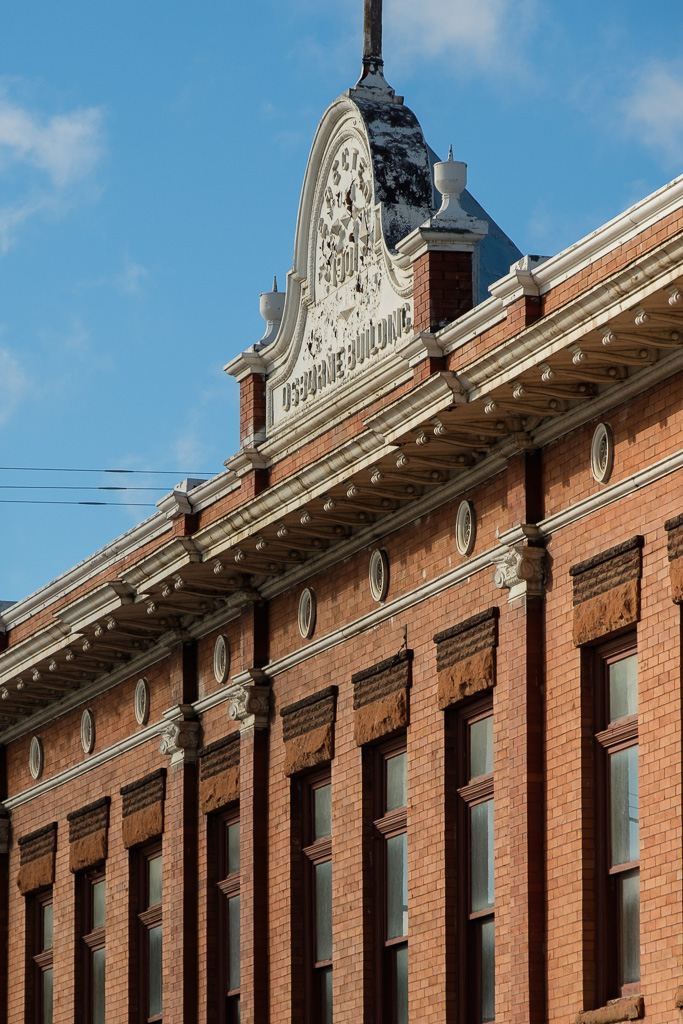
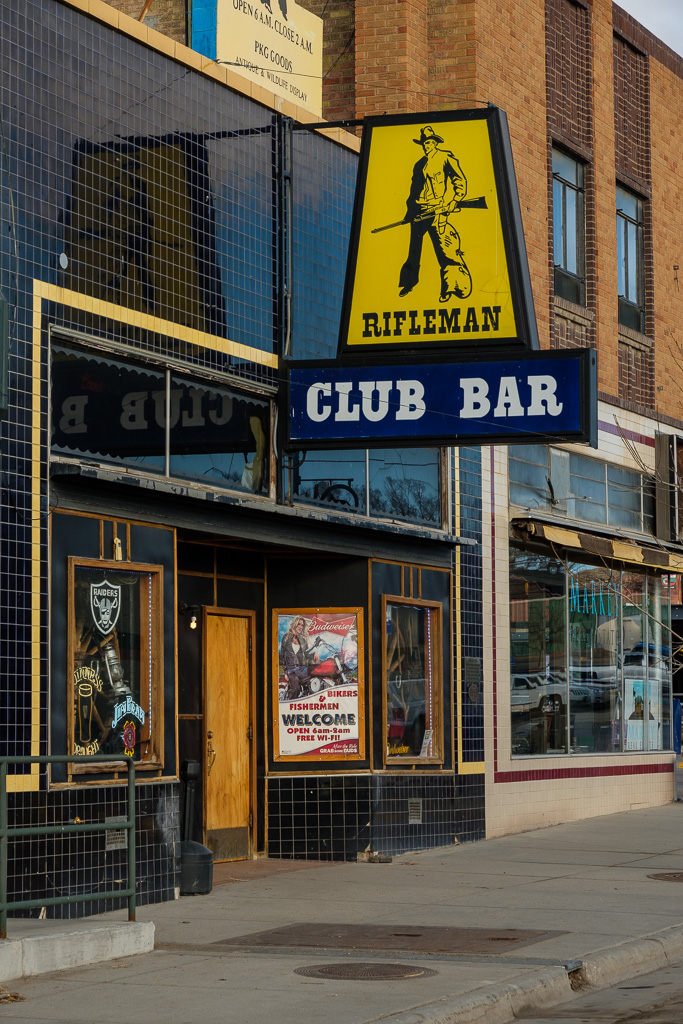
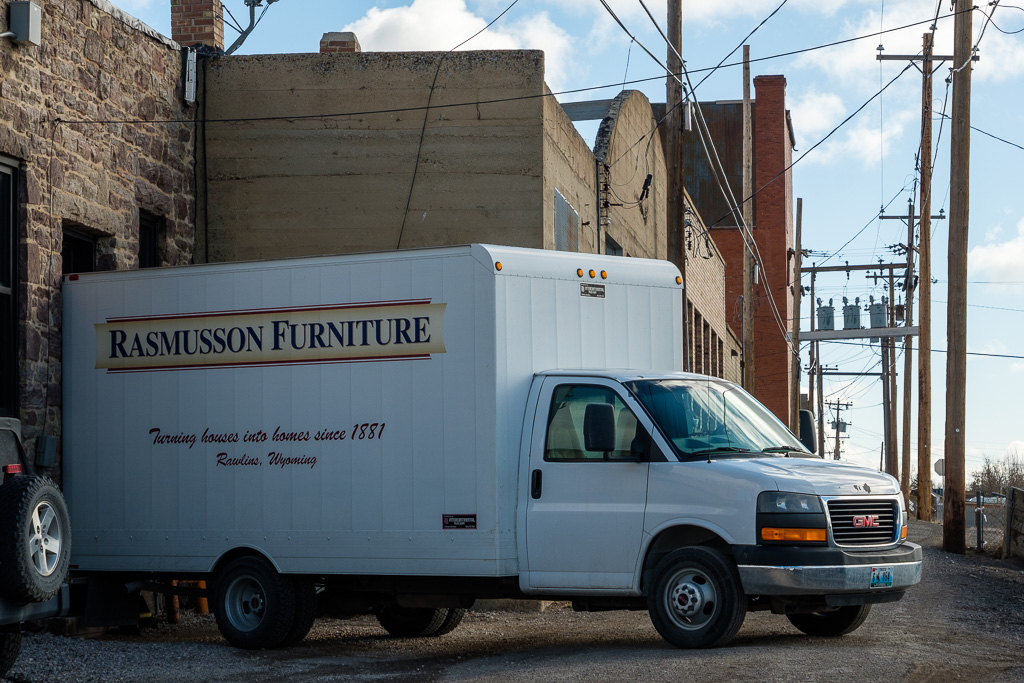
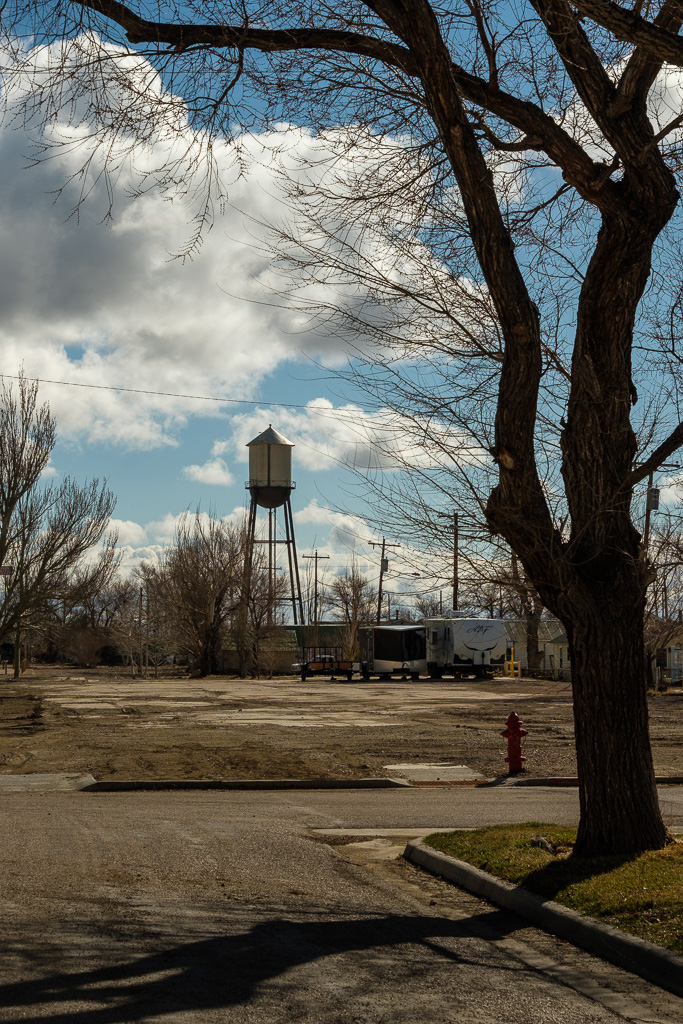
The next stop was Rawlins. It’s not exactly popping either but sure was more pleasing to the eye than Rock Springs.
I did speak with some people as I worked my way across Wyoming, although I didn’t seem to get to talk to people as I normally do, as I headed for Cheyenne (with the overnight in Rawlins on the way). A few but no photos. The woman at the counter at the little convenience store in Medicine Bow (which will be in the next post). Some very friendly fellows at the bar in Rawlins where I had dinner – thanks for the travel tips, guys, they were great. The proprietor of the Lincoln Highway service station in Rock River. A few others here and there. Not a lot. It was quiet in the small cities and towns. After snowy Evanston (just after crossing the state line from Utah) and fading Rock Springs (about a quarter of the way to Nebraska) other than Rawlins I didn’t stop anywhere of any size until I got to Laramie in the far eastern part of the state.
In fact, the only city of any size in between is Rawlins (population 9,259 at the 2010 census). It’s mostly open country dotted with tiny little towns here and there (some little more than ghost towns).
The wide open spaces of Wyoming, indeed.
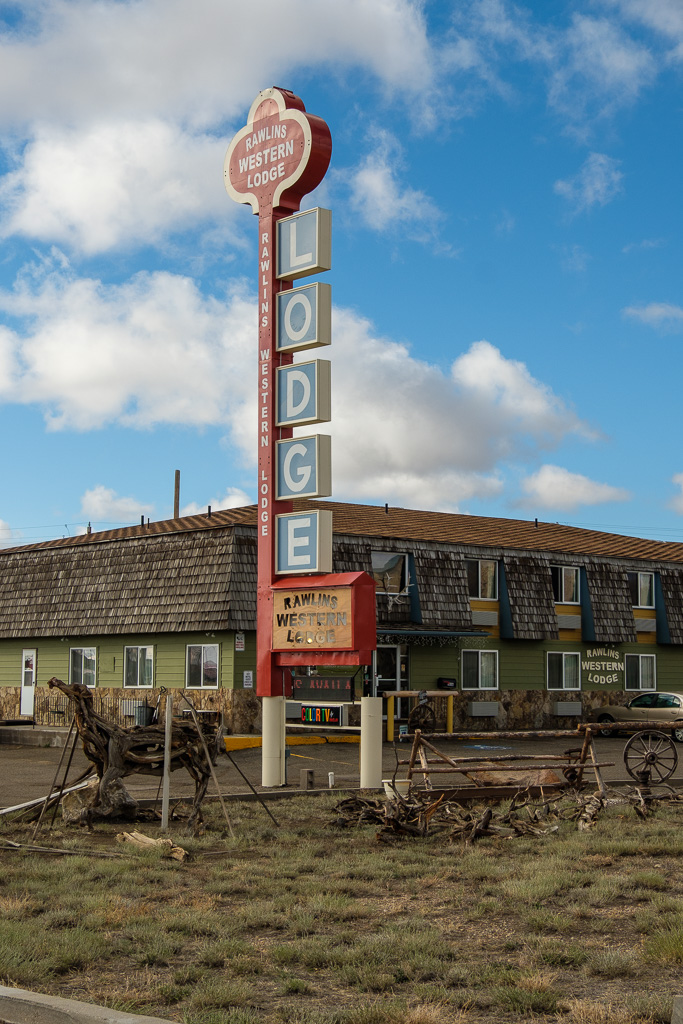
I did not stay at the Rawlins Western Lodge. Near the interstate there is usually a cluster of new places outside of these larger communities, and Rawlins was no exception. In fact, I stayed at very few of these fading motels and hotels on my travels. Here and there but just a handful.
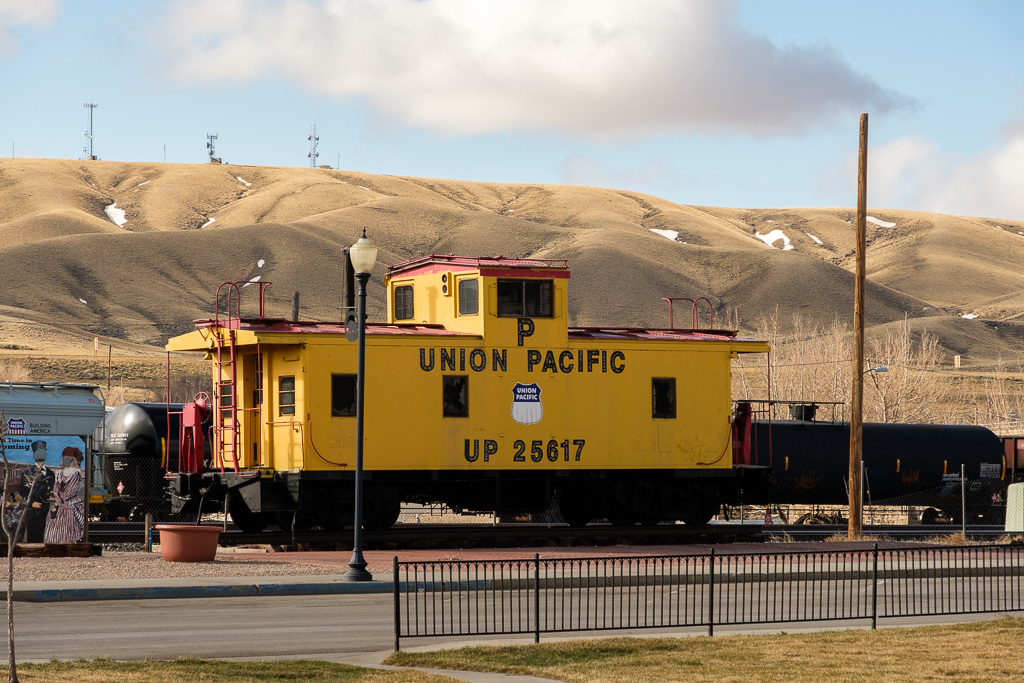
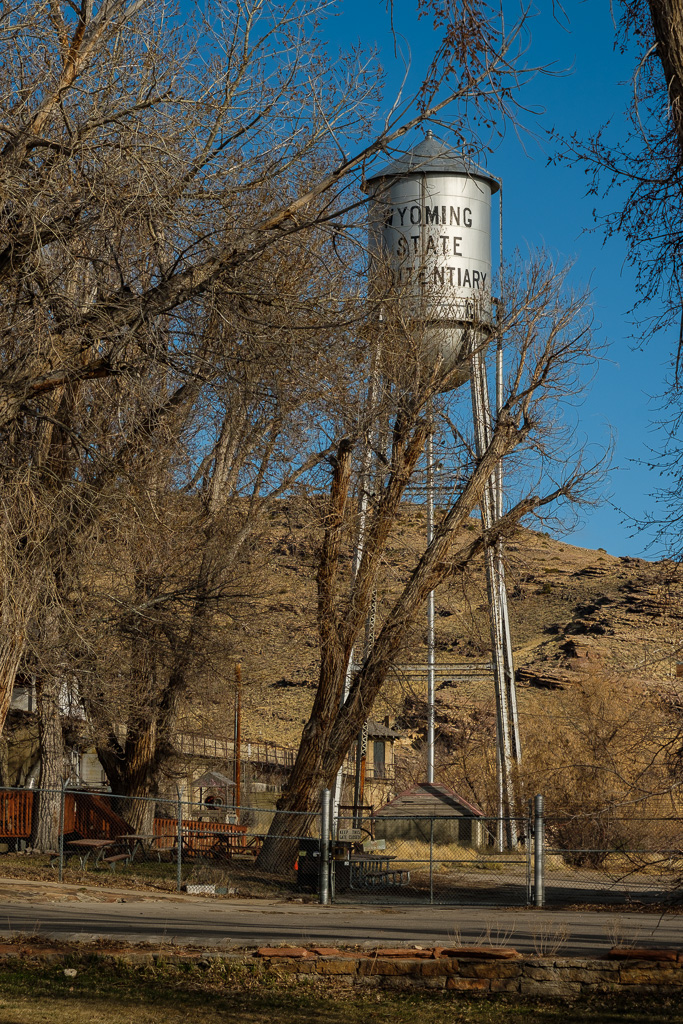
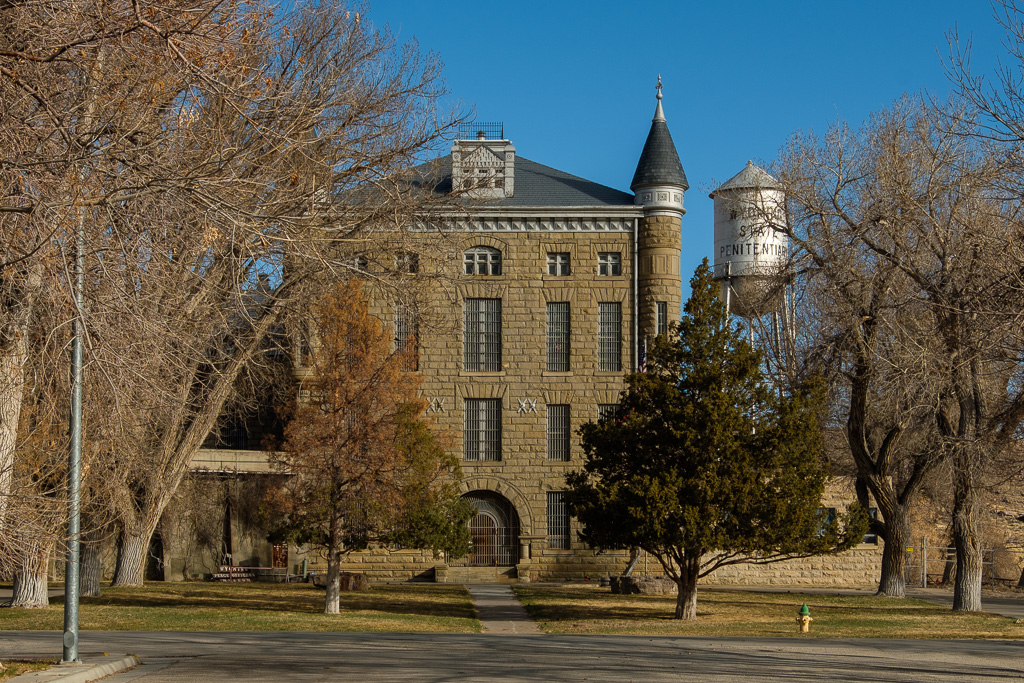
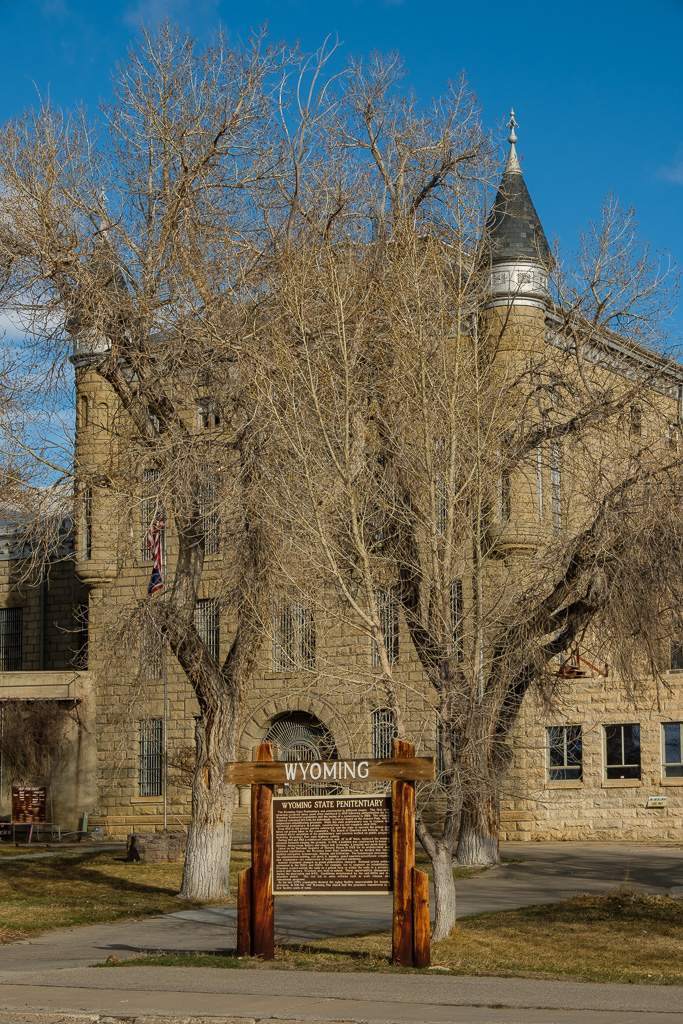
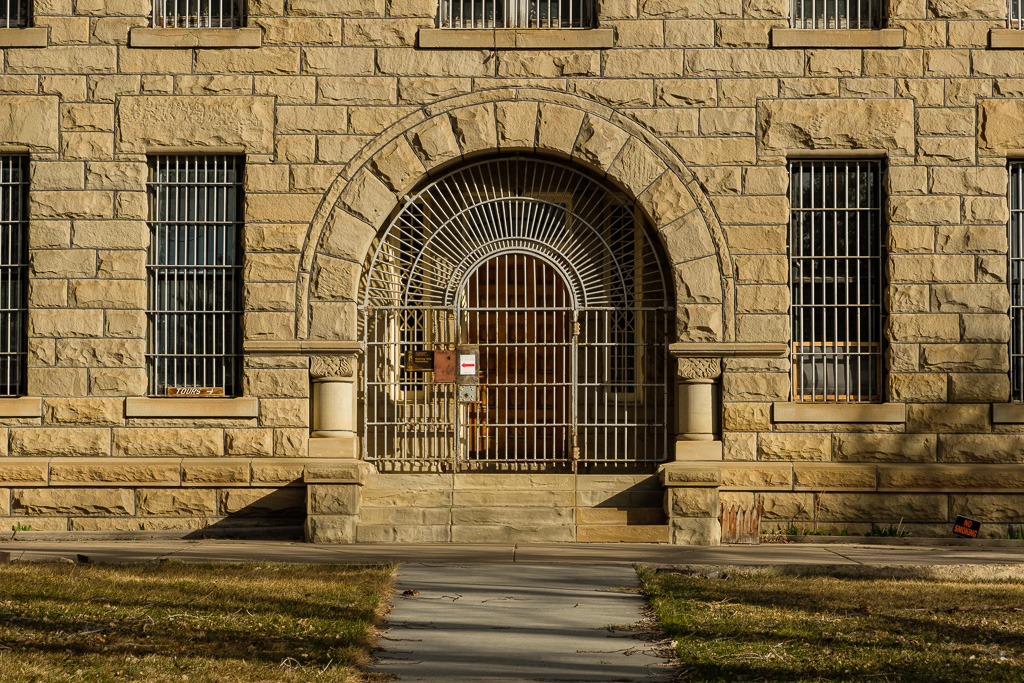
Rawlins is in Carbon County (aptly named) on the Union Pacific Railroad line. Historically it was a major passenger and freight station stop along the Transcontinental Railroad route. Butch Cassidy supposedly spent time in the Frontier Prison in Rawlins (pictured – it closed in 1981). One of his train heists took place about 50 miles away within the county. The outlaw Big Nose George was hanged by a lynch mob in Rawlins.
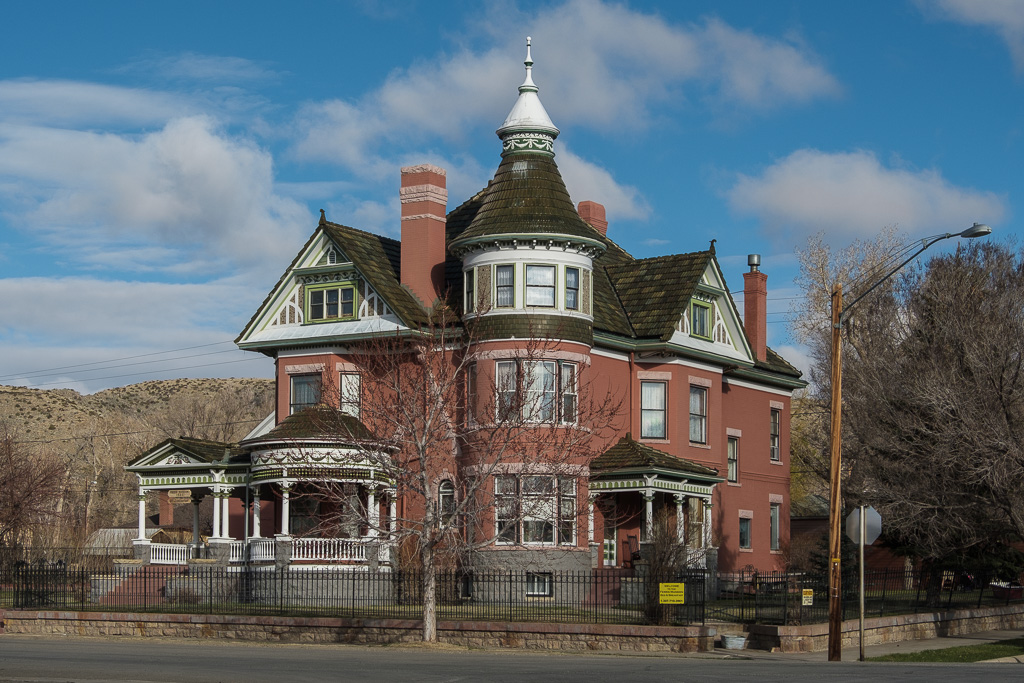
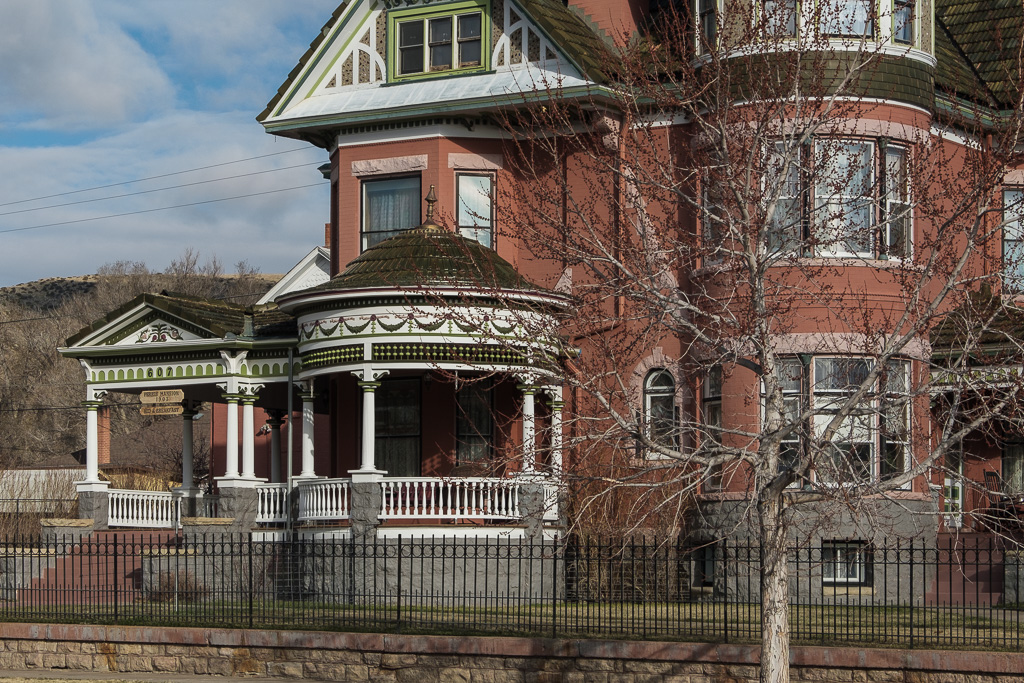
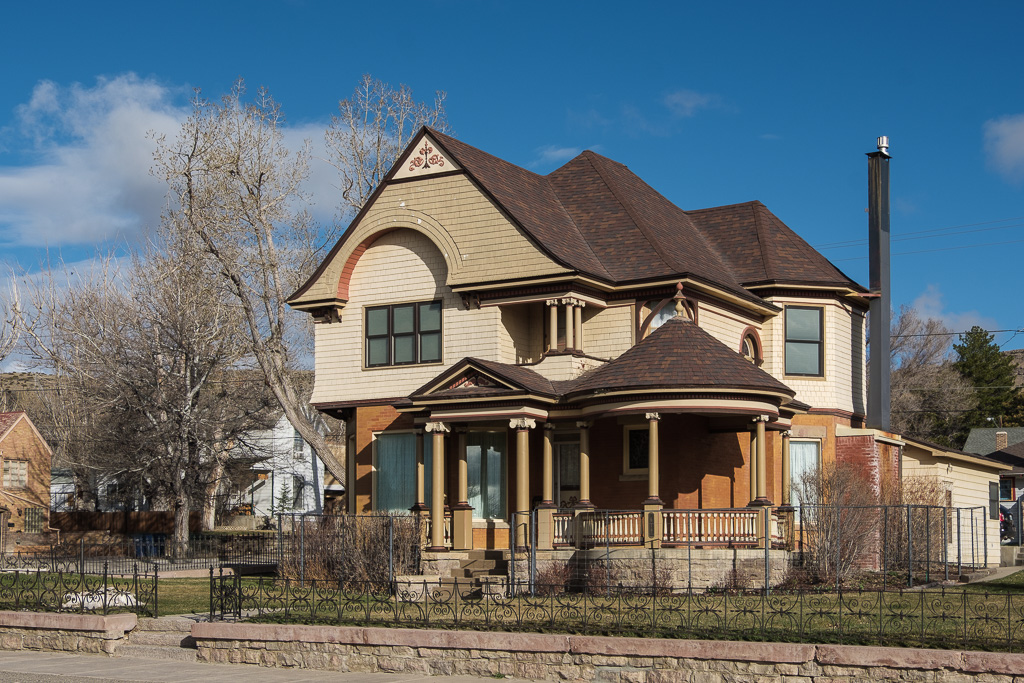
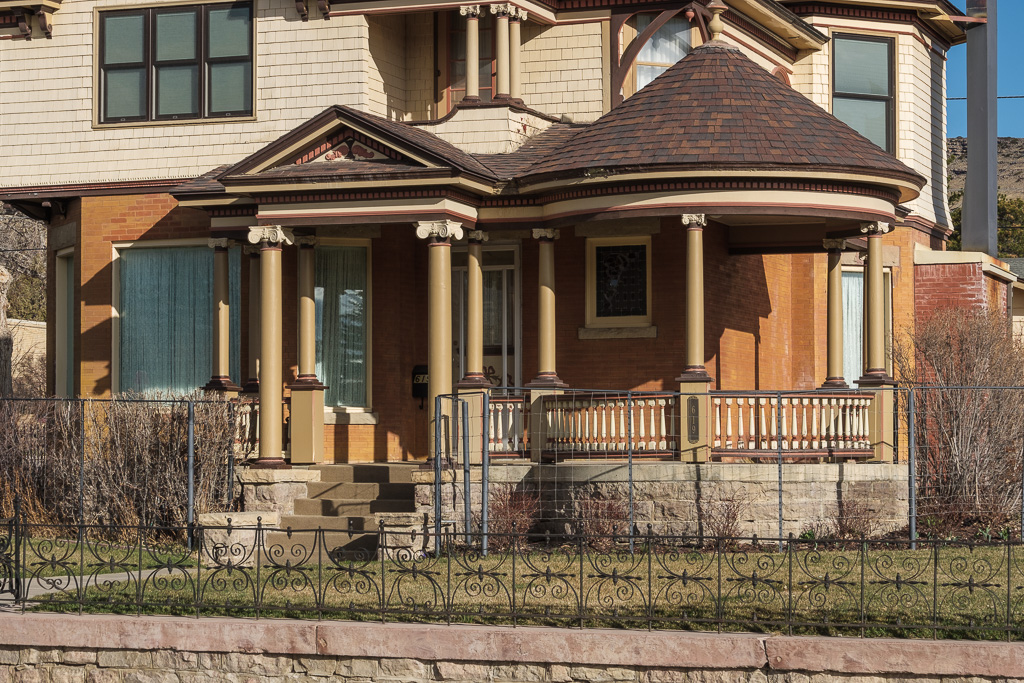
There are some very attractive old houses just outside the old downtown.
The Lincoln Highway passes right through Rawlins. On the way out (heading east) the city starts to look a little worse for wear.
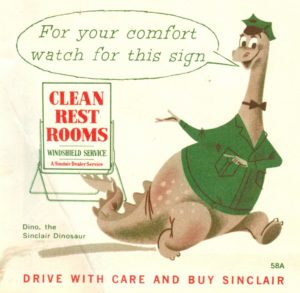
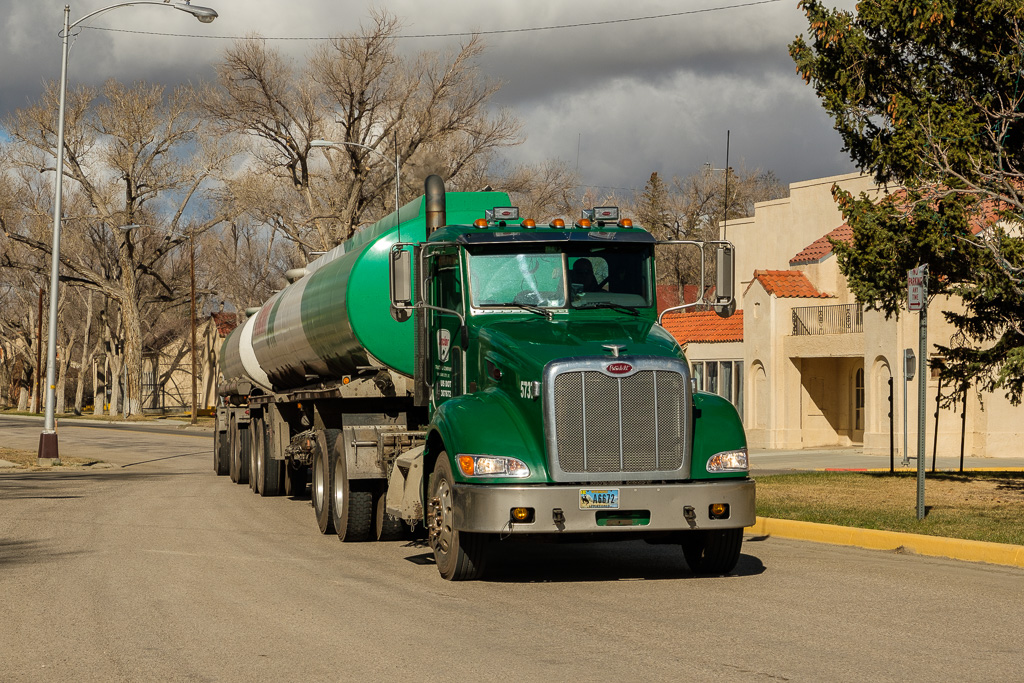
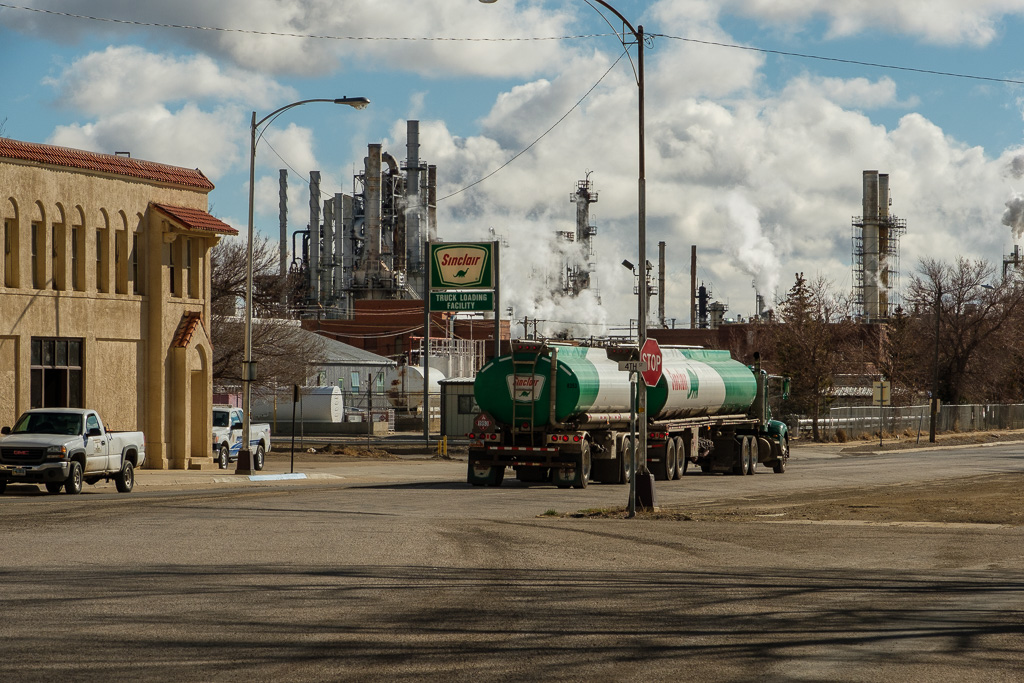
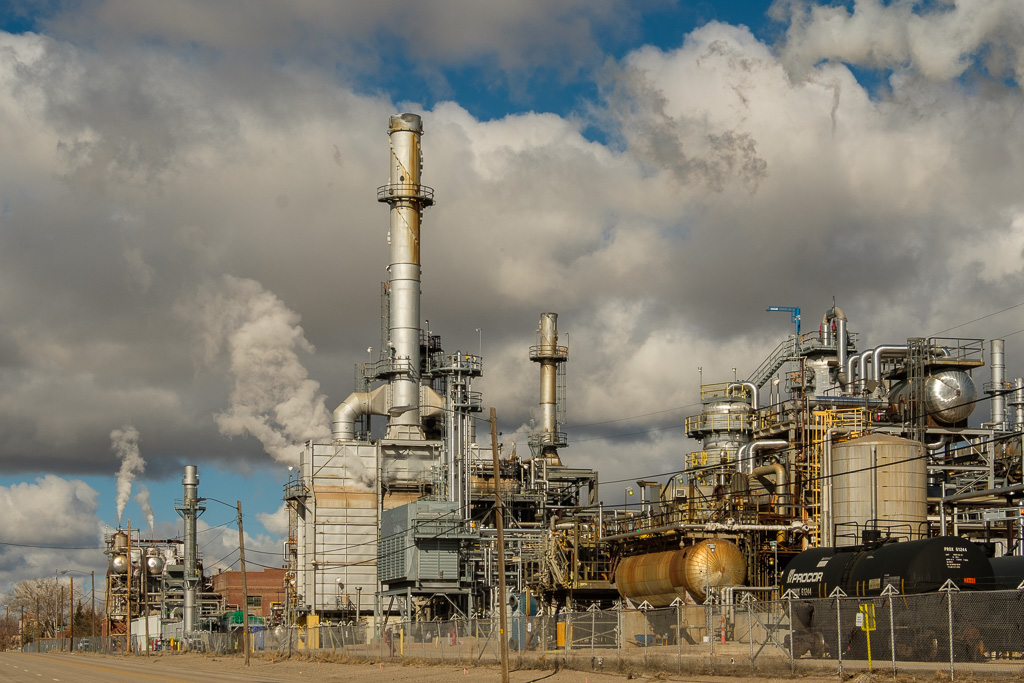
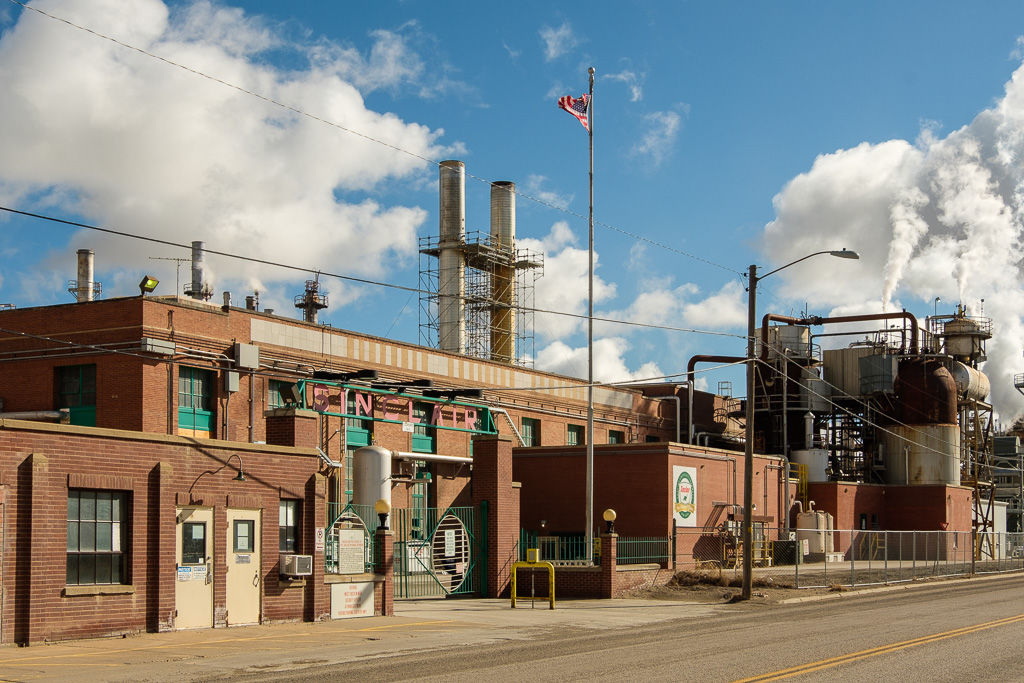
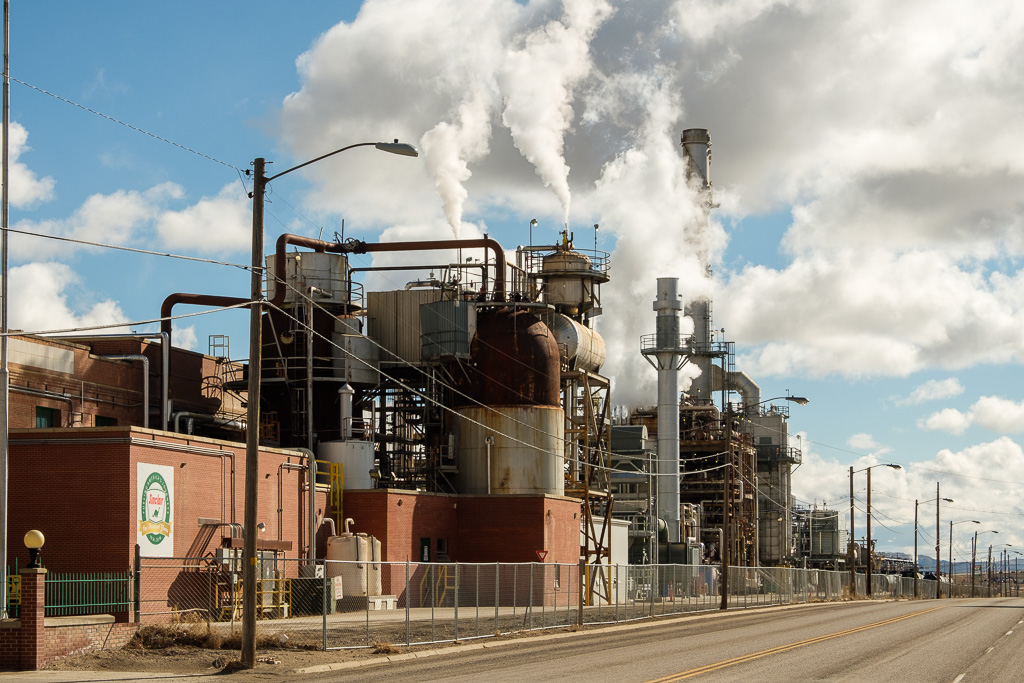
Just past Rawlins on the route of the Lincoln is Sinclair (formerly known as Parco) with an 85,000-barrels-per-day Sinclair Oil Corporation oil refinery just off of I-80 which is said to be the most complex refinery – and among the largest – in the Rocky Mountain region. It’s quite a sight.
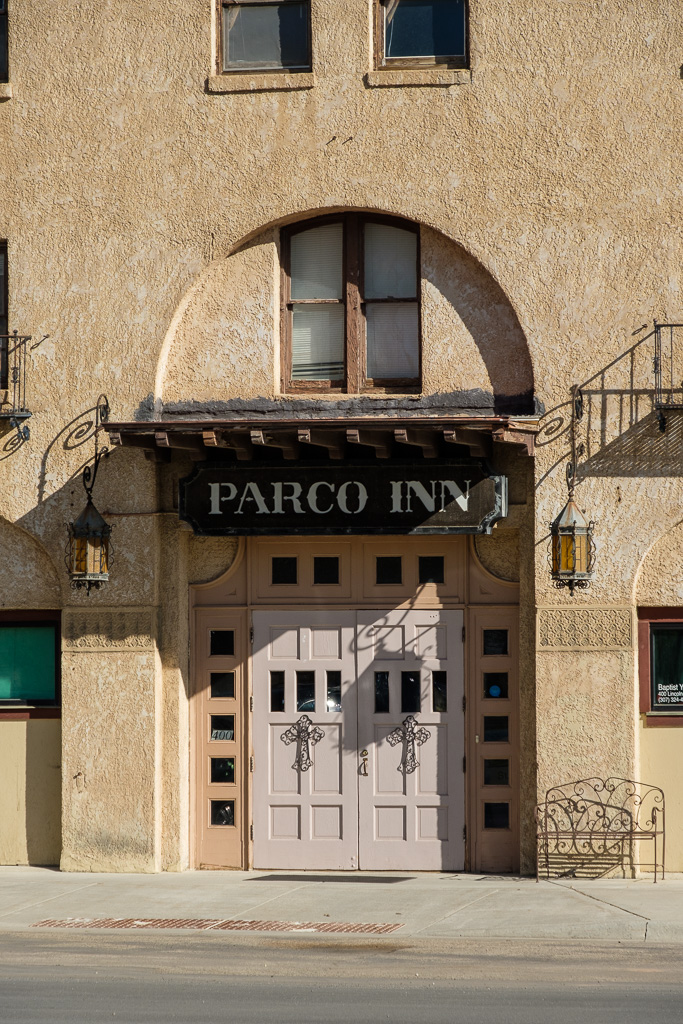
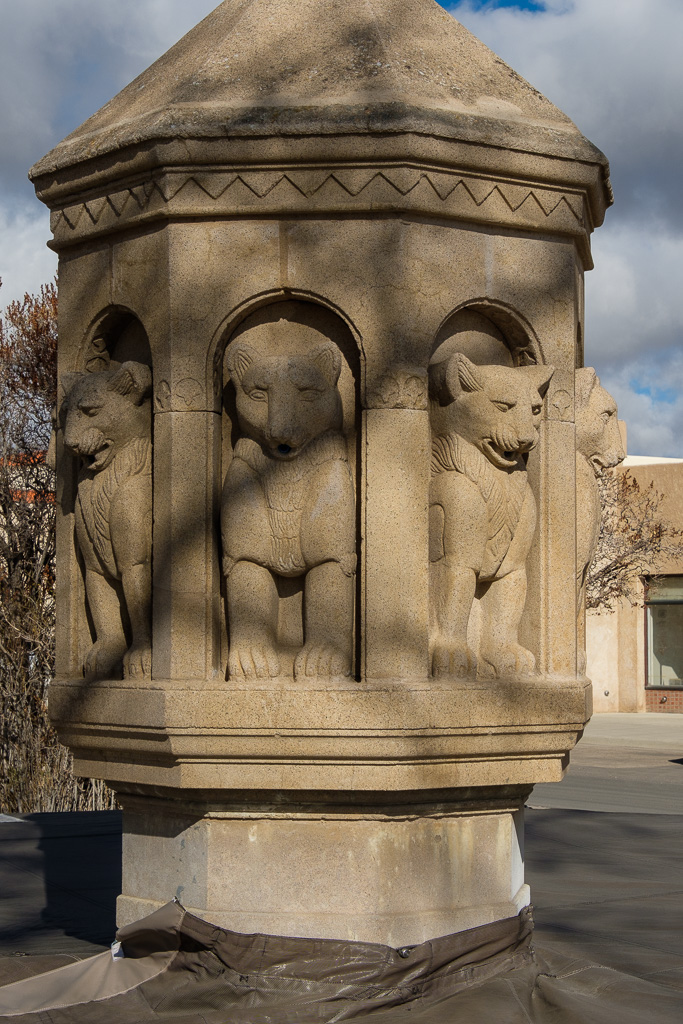
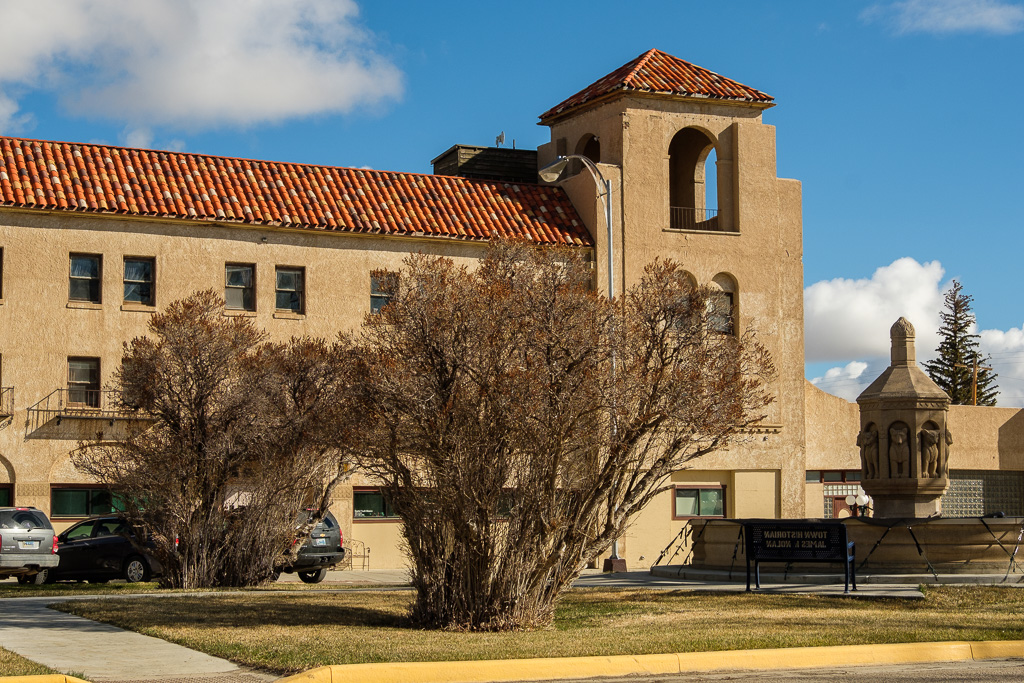
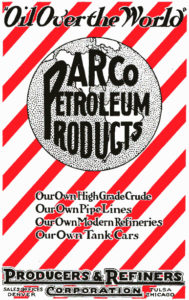
In this set the Spanish Colonial hotel there, together with the fountain in front of it, is the former Parco Hotel and right on the path of the Lincoln Highway through Sinclair. It is a planned community built for the workers at the original refinery there, opened in 1924; it was named Parco for the first owner and operator, the Producers and Refiners Corporation, which didn’t survive the Depression. The refinery was sold to Sinclair in 1934, and the company town of Parco was renamed Sinclair in 1942.