 Lost in time. Echo, Utah, to Rock Springs, Wyoming.
Once I left Coalville the drive became somewhat other worldly. My next (and last Utah) stop, Echo, was the beginning of about 1,000 miles of fading main streets, near ghost towns, and … some gems here and there on the way, as I crossed Wyoming and Nebraska and finally in western Nebraska dropped down from the High Plains into Iowa.
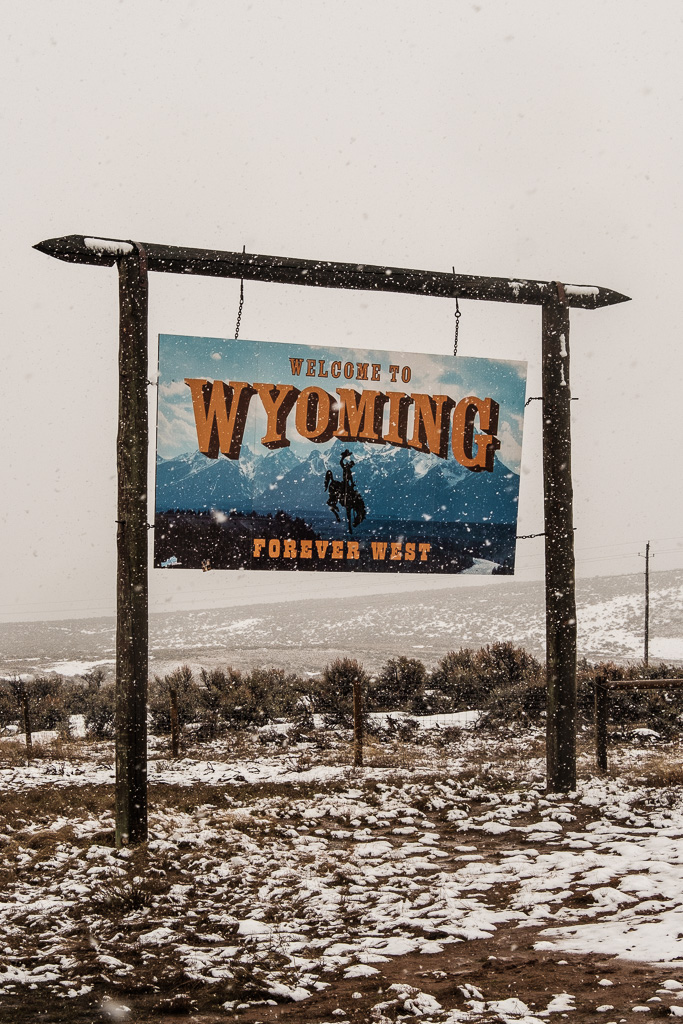
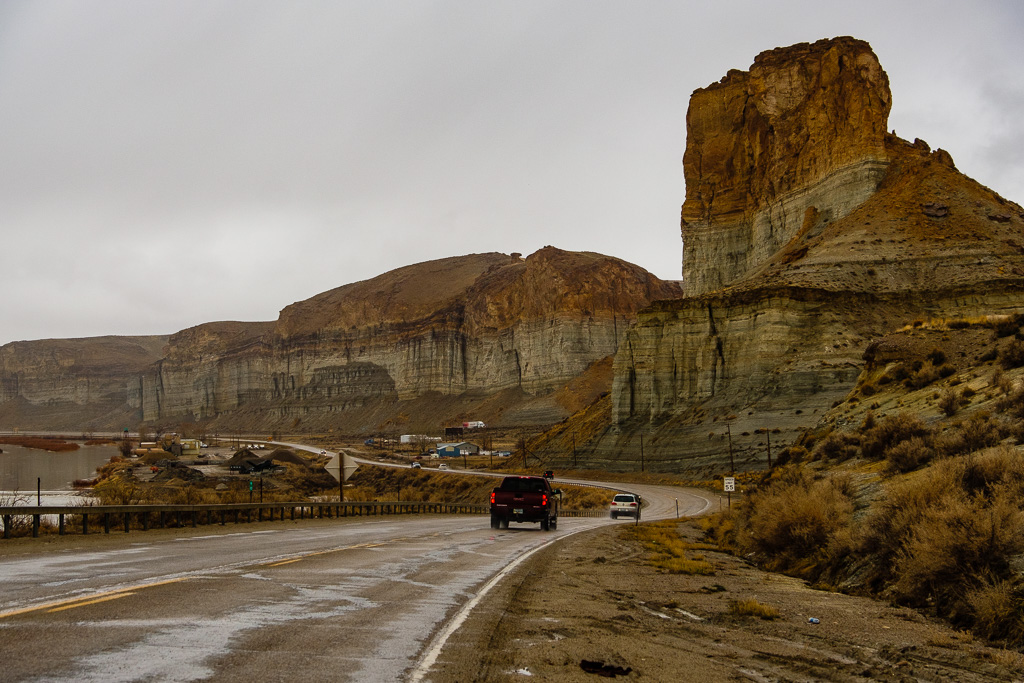
Forever West. That’s what the sign said at the state line. It was Forever North at first. It was a near white-out in the Uinta Range after Echo as I headed for the state line. The late winter snow continued at my first stop, Evanston WY, and then it finally let up after that, although the rain started later in the day. A cold, gloomy rain as I approached the coal country.
The route I took through Wyoming was mostly on or near I-80 (following the old Lincoln Highway as much as I could) and is not spectacular country – one needs to get on some of the scenic byways to the north of I-80 for the breathtaking scenery in this part of the US to get to places like Yellowstone and the Grand Tetons – but the route had a rugged beauty and is not unattractive (if less eye-popping than what is to the north).
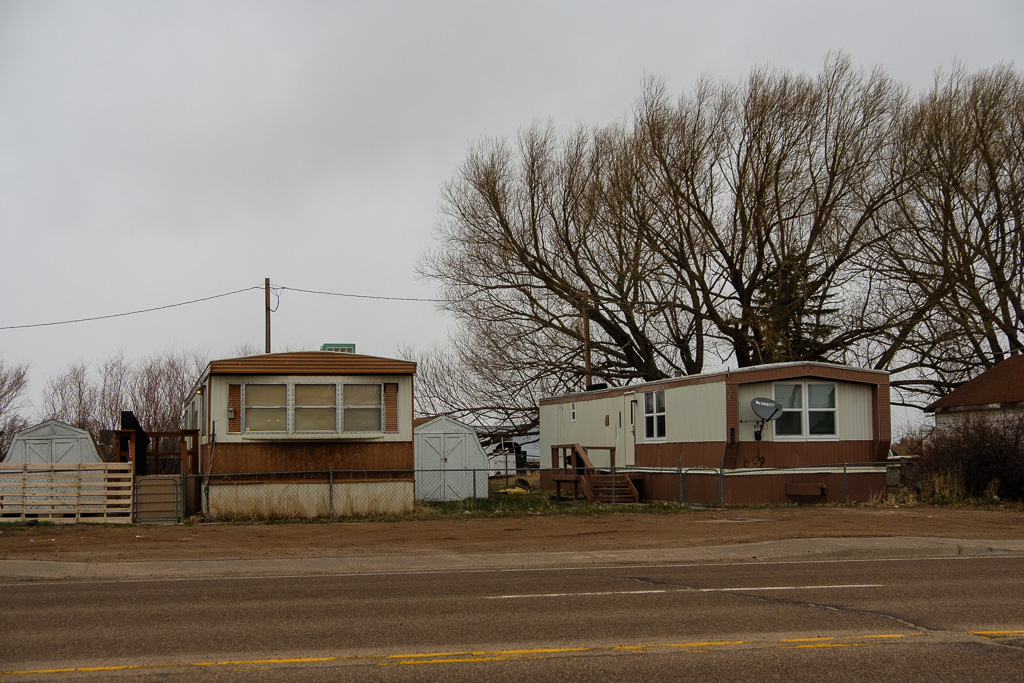
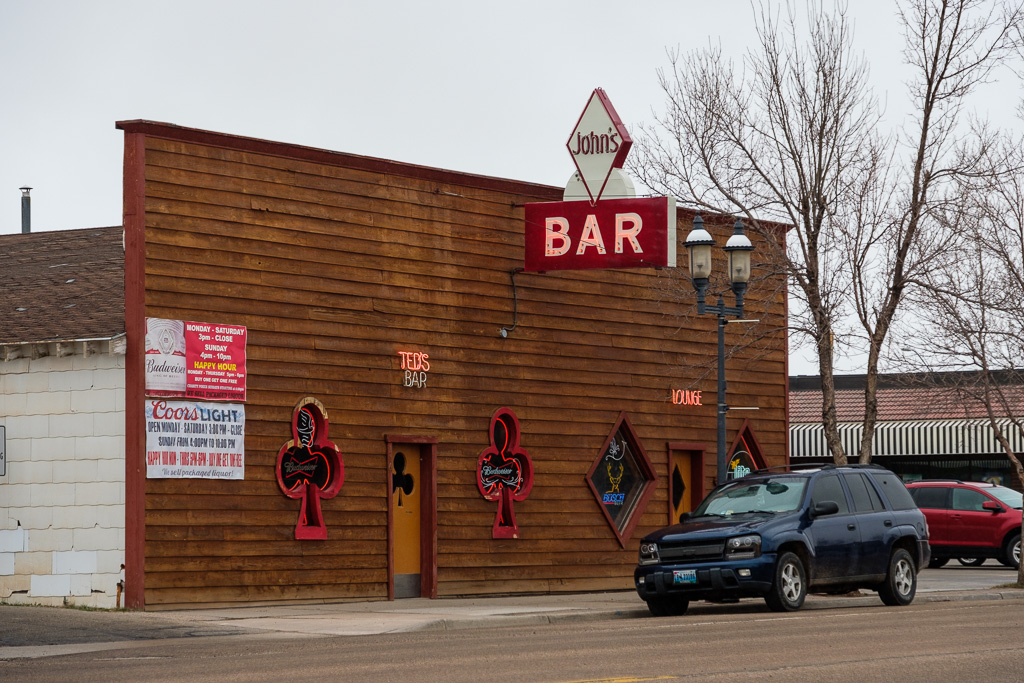
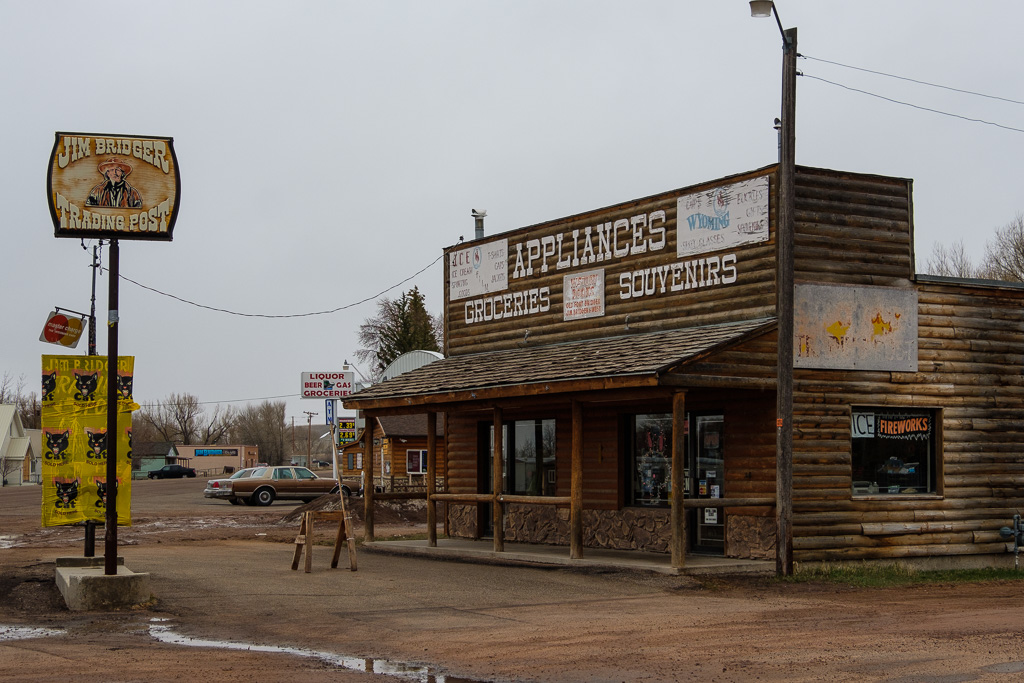
Where the High Plains meet the Rocky Mountains. A lot of this long drive felt like the land that time forgot. Certainly, much of it looks like a place that the new economy forgot. It will be the subject of this post and several posts to follow.
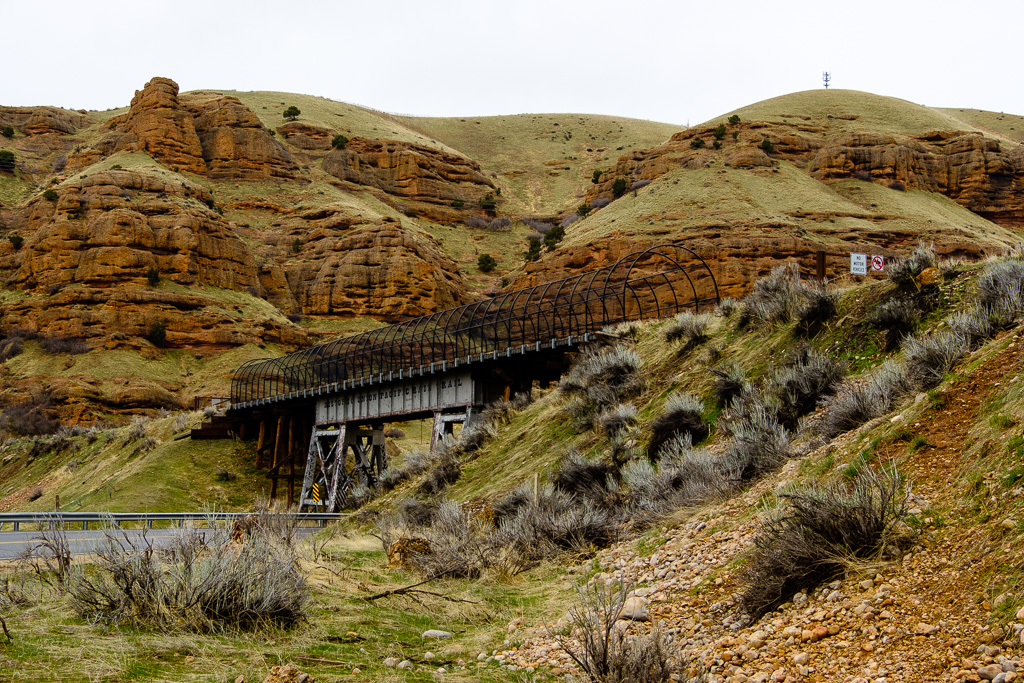
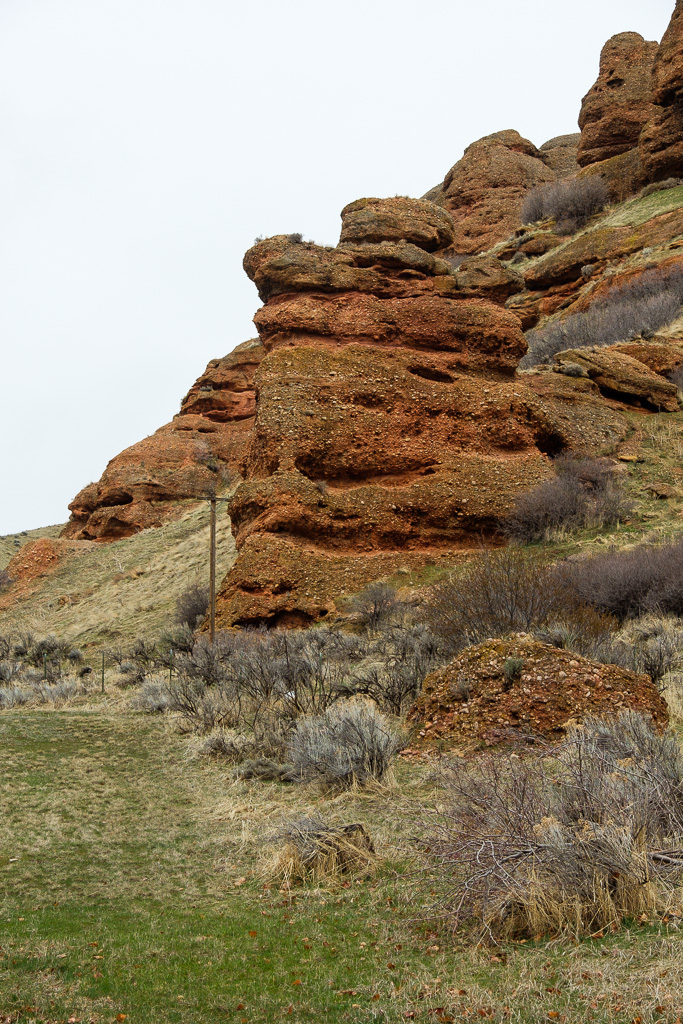
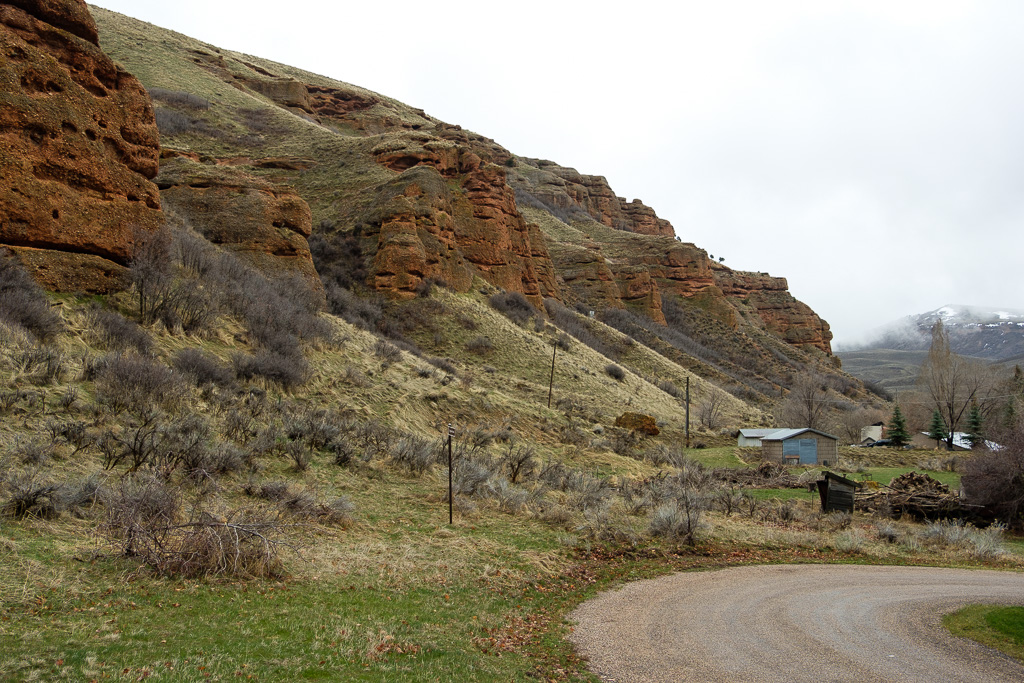
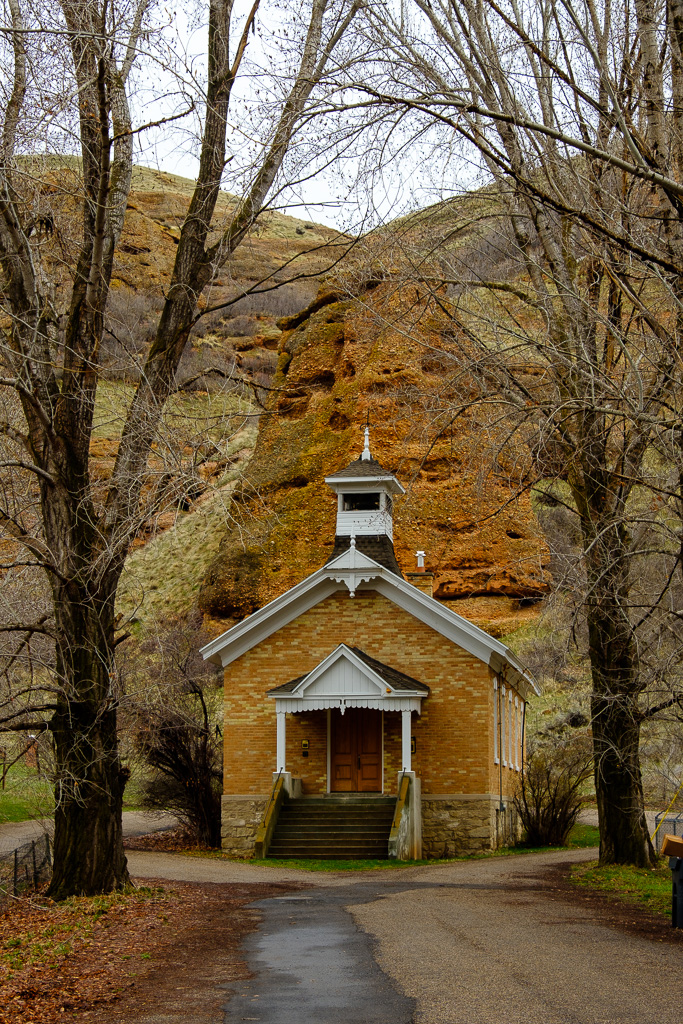
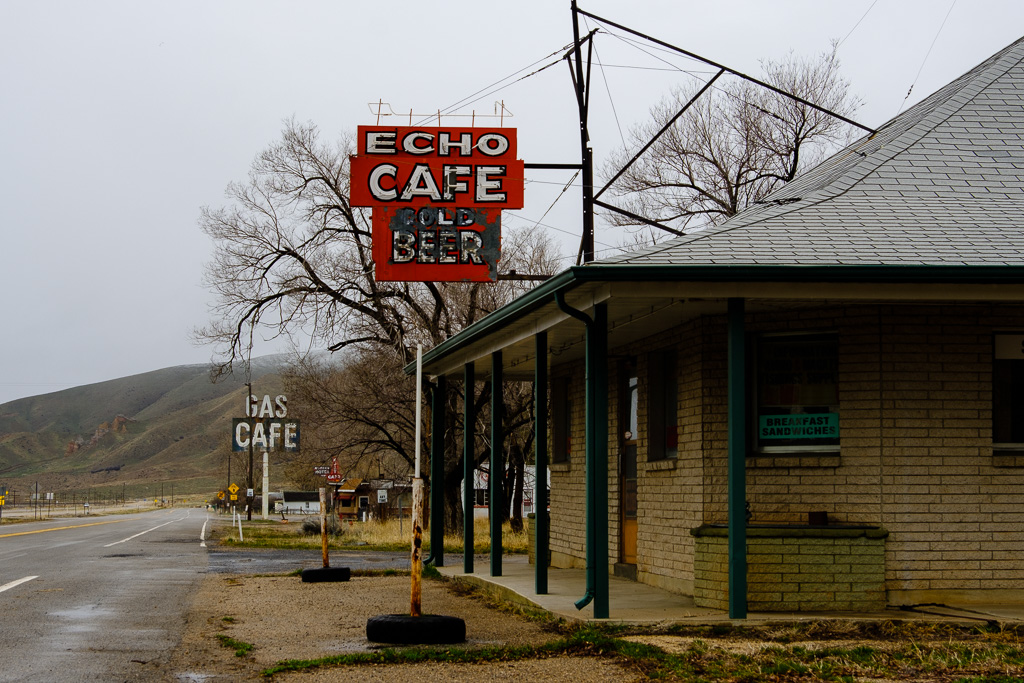
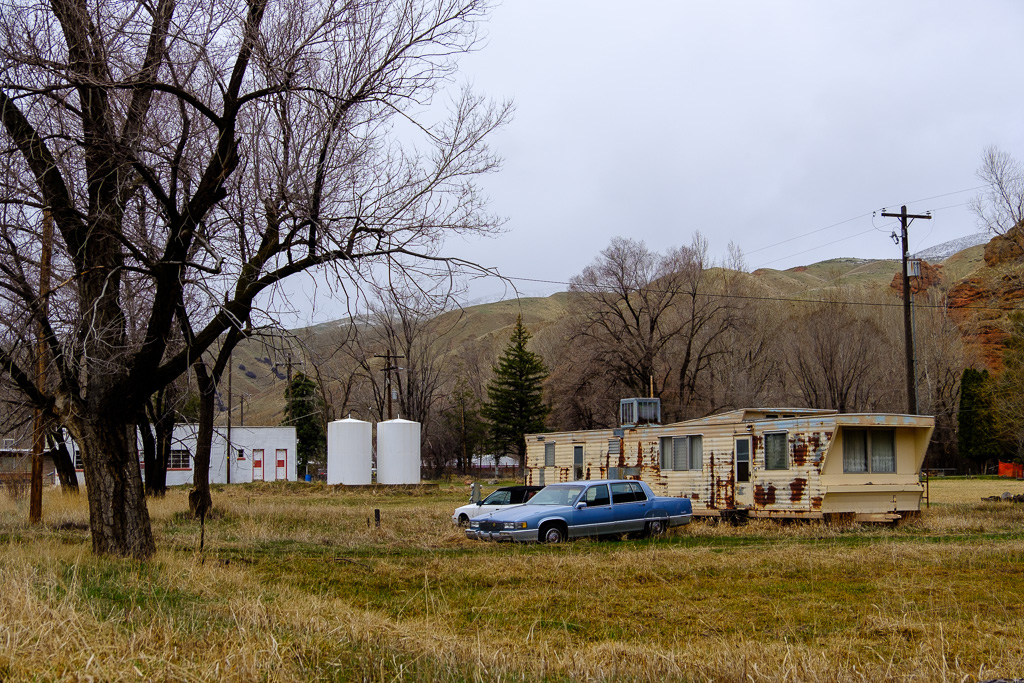
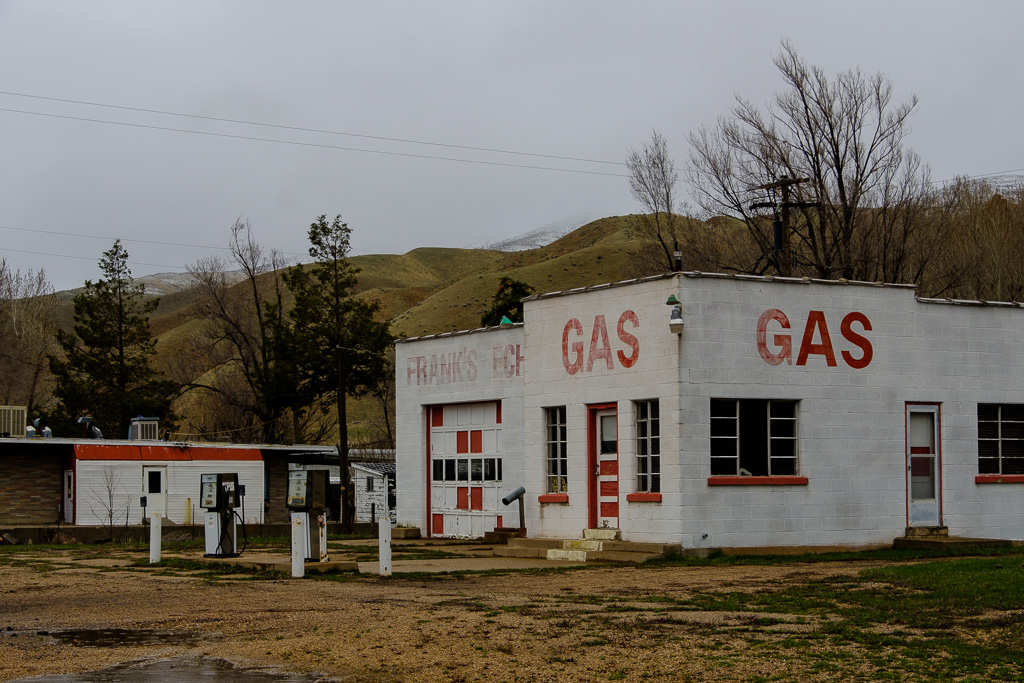
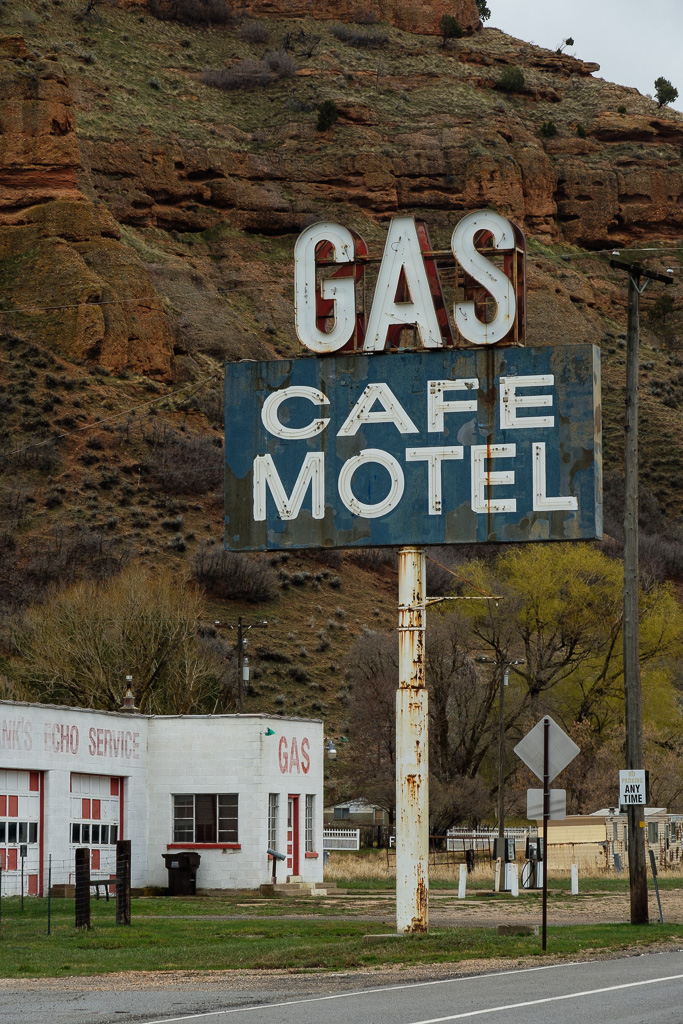
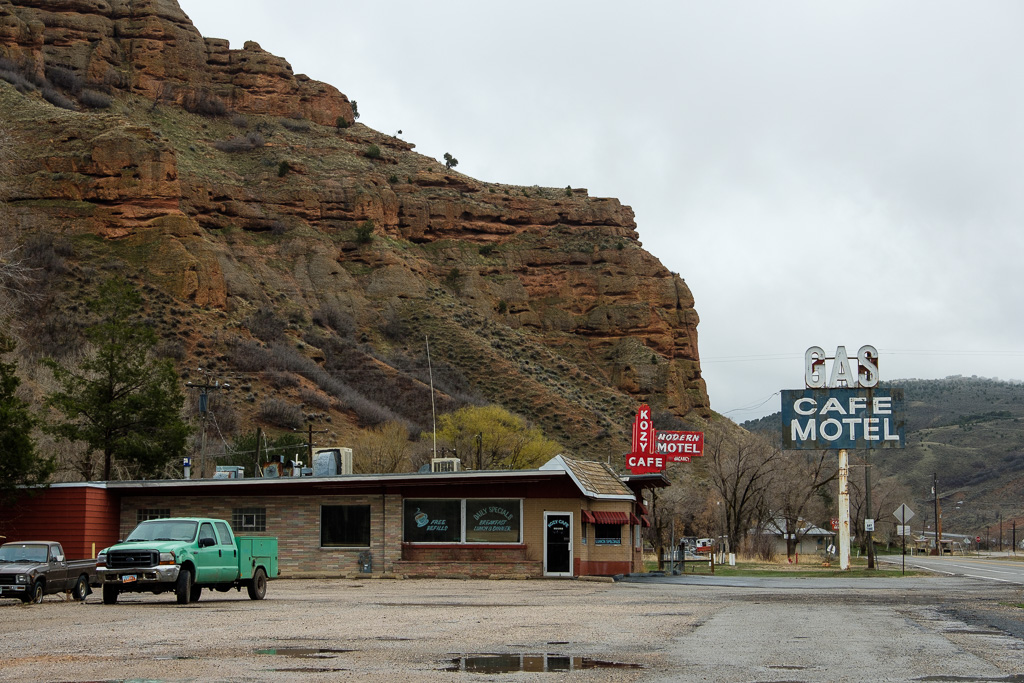
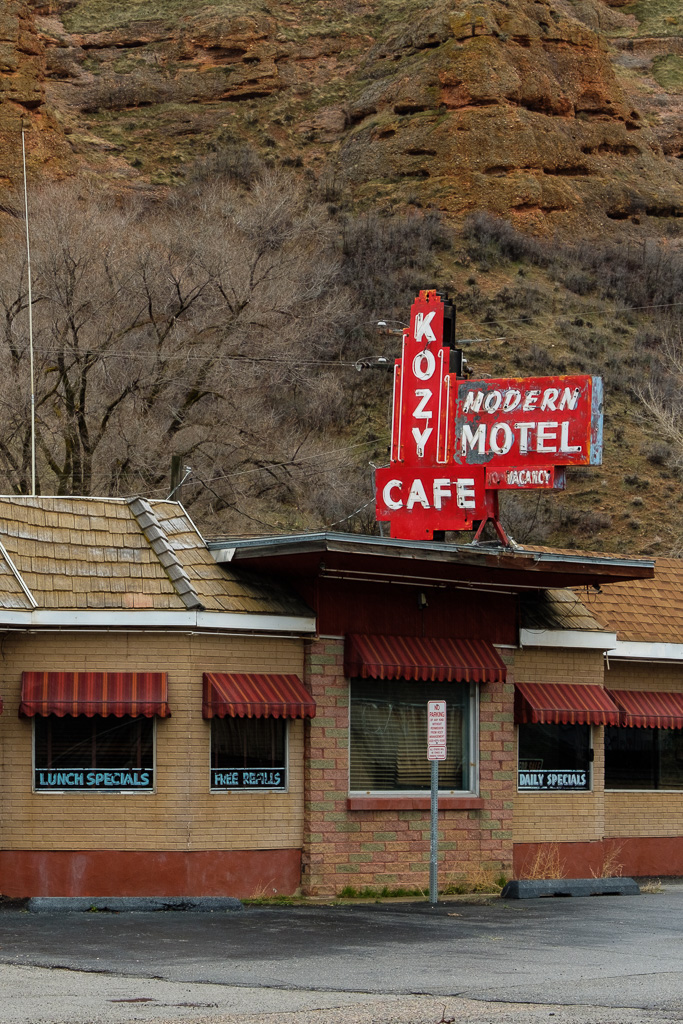
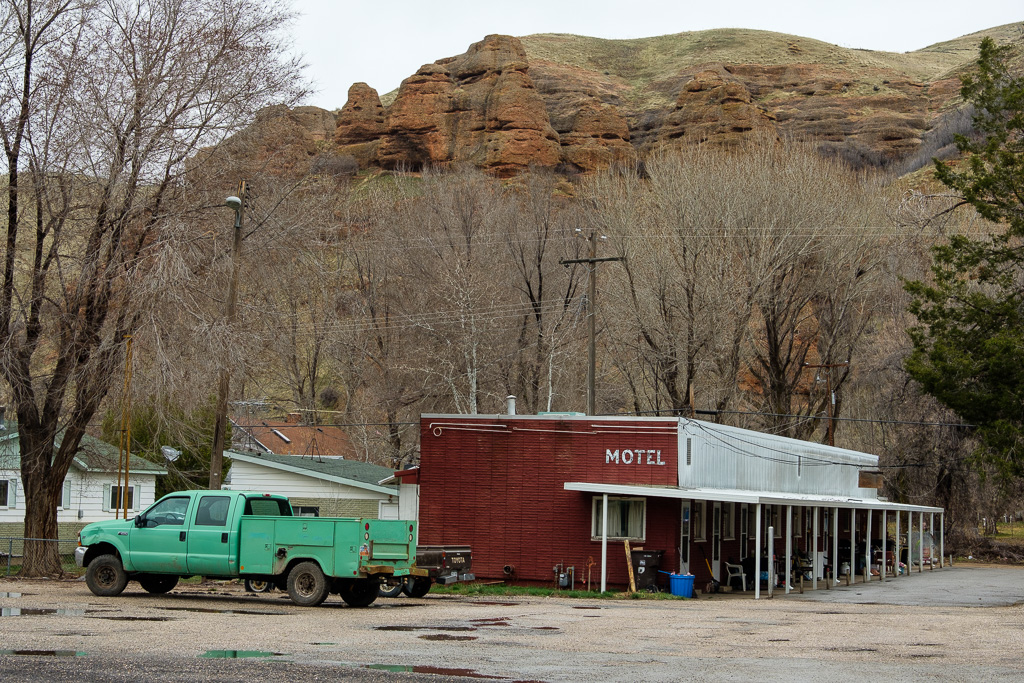
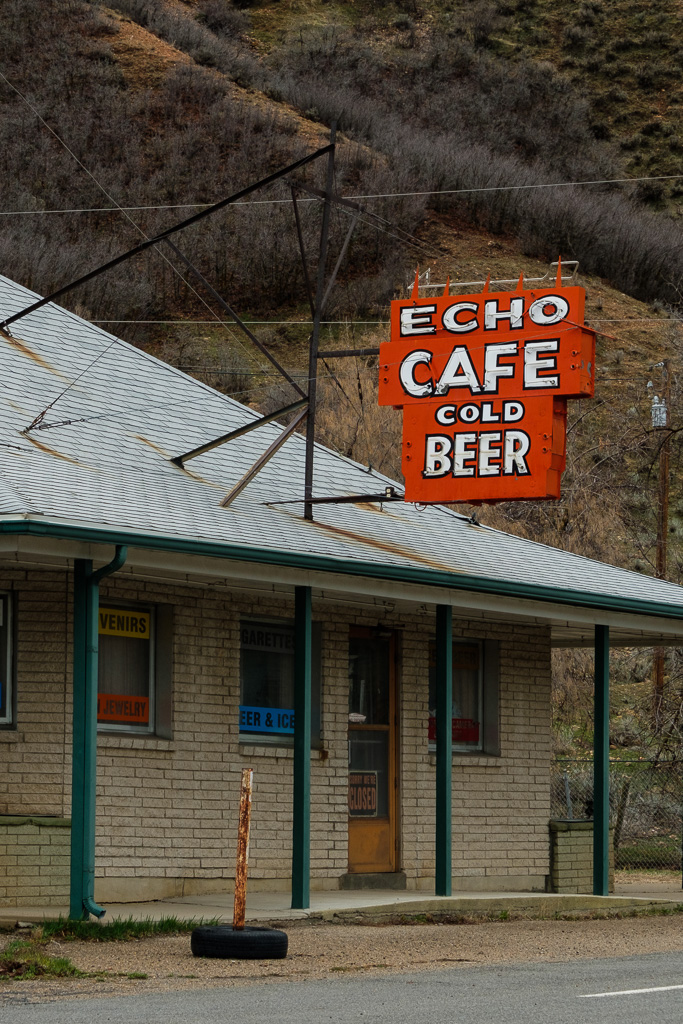
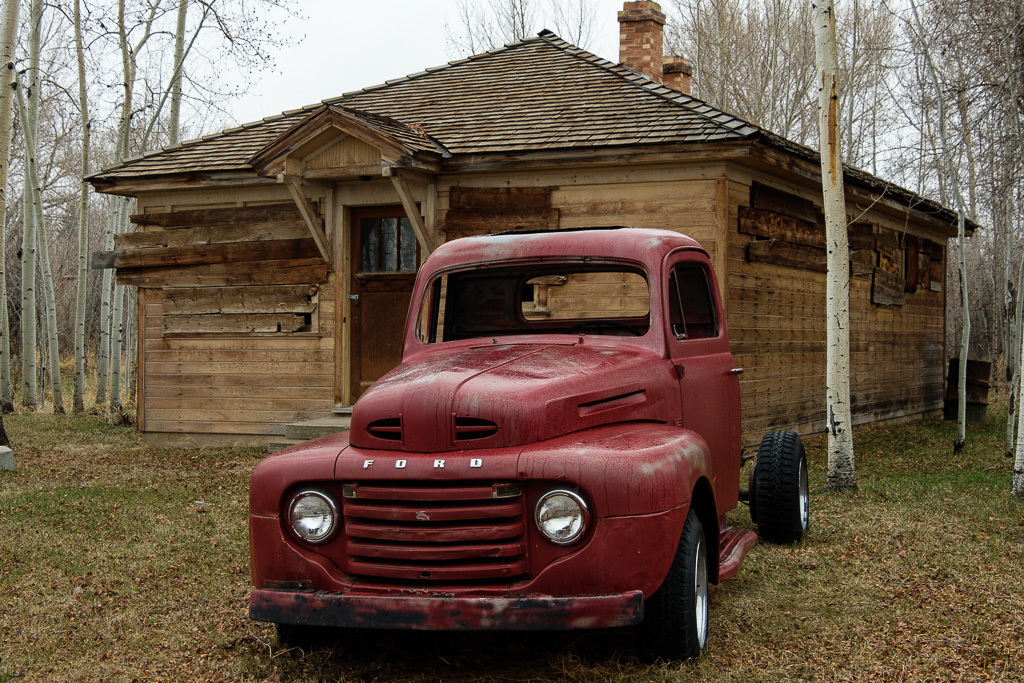
Speaking of a place that time forgot, that would be my final stop in Utah: Echo, population 56 as at the 2010 census. The pony express used to go through Echo Canyon. So did the stagecoach, railroad and telegraph over the years. The Donner-Reed Party came through the canyon as well as the Mormon pioneers (it was a stopover along the Mormon trail). It later became an important highway junction (the Lincoln went through there). Then the interstate came – that was it for Echo. A few roadside places survive. The area is known for its red rock cliffs and distinctive sedimentary rock formations. The little schoolhouse in Echo in the set below dates back to 1914 and was used as a school into the 1940s.
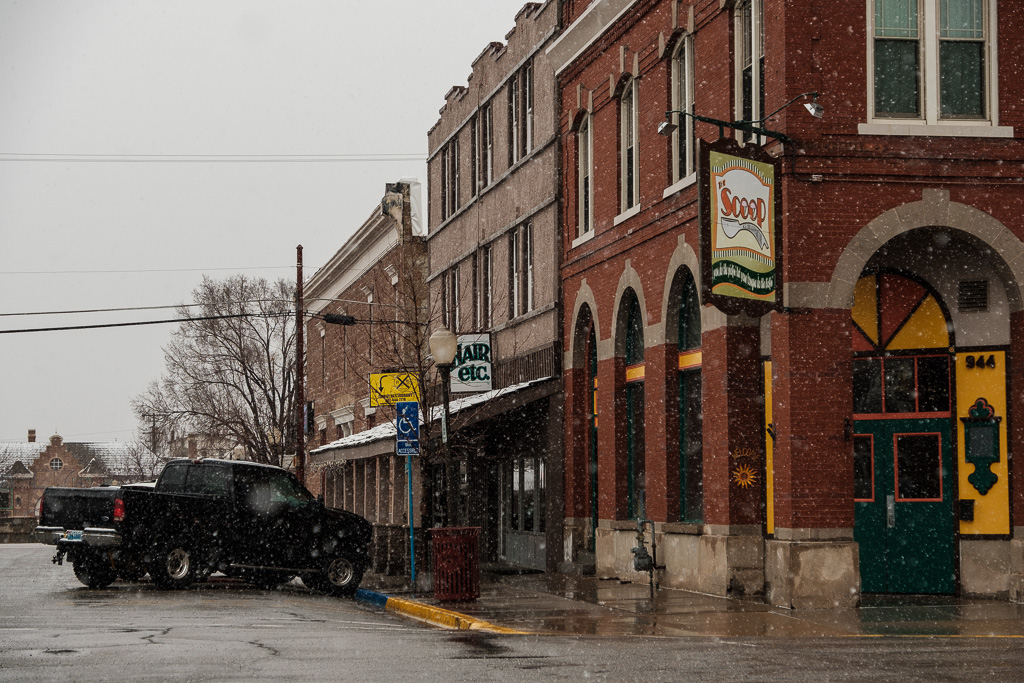
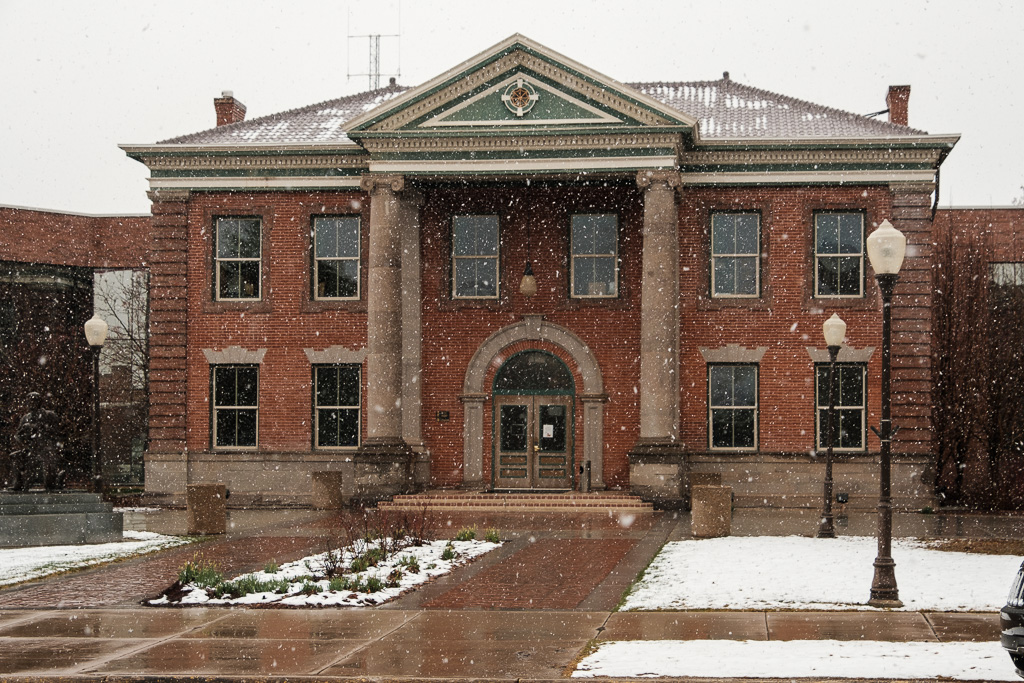
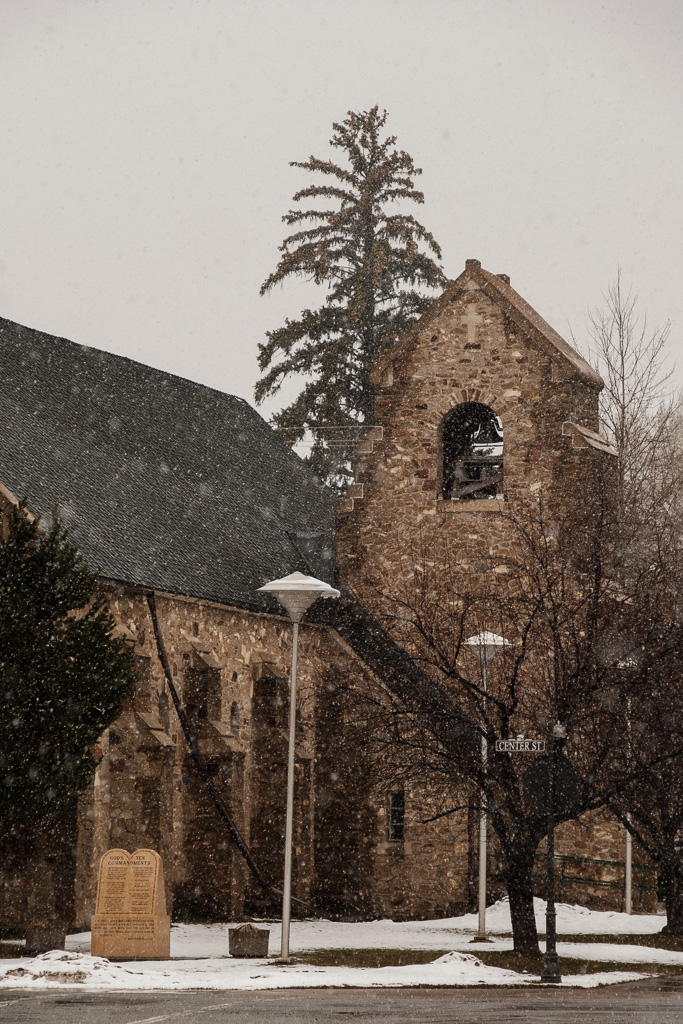
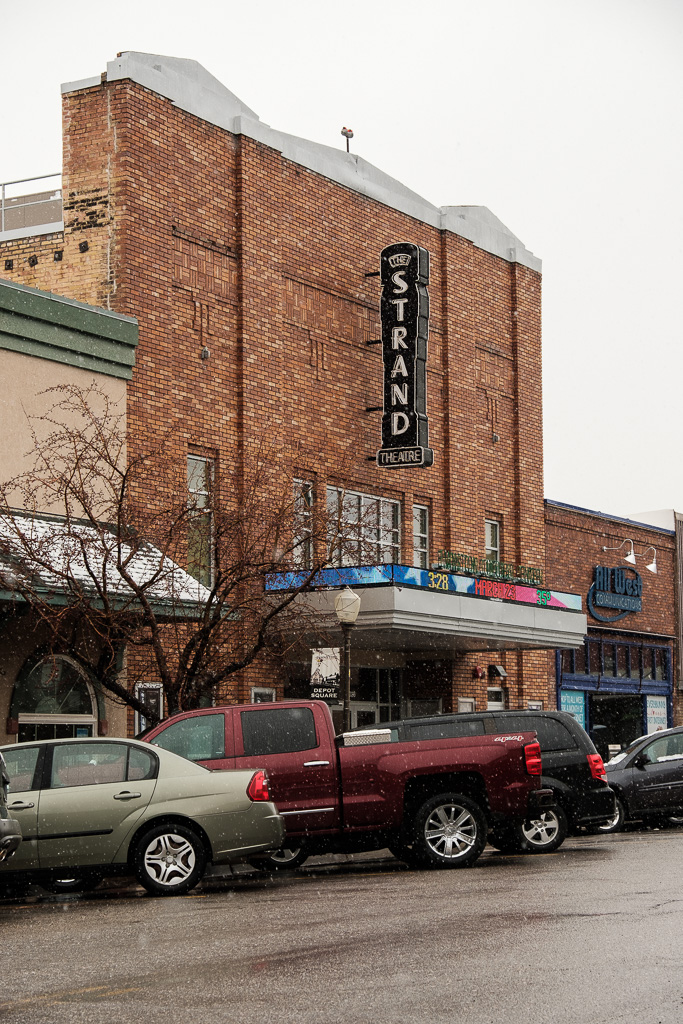
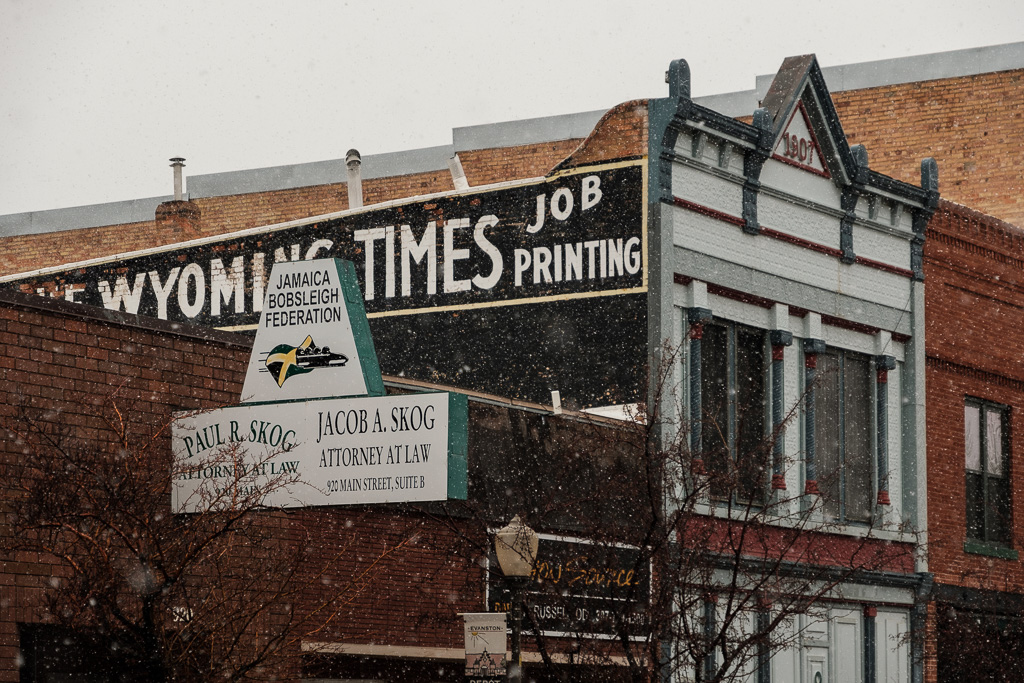
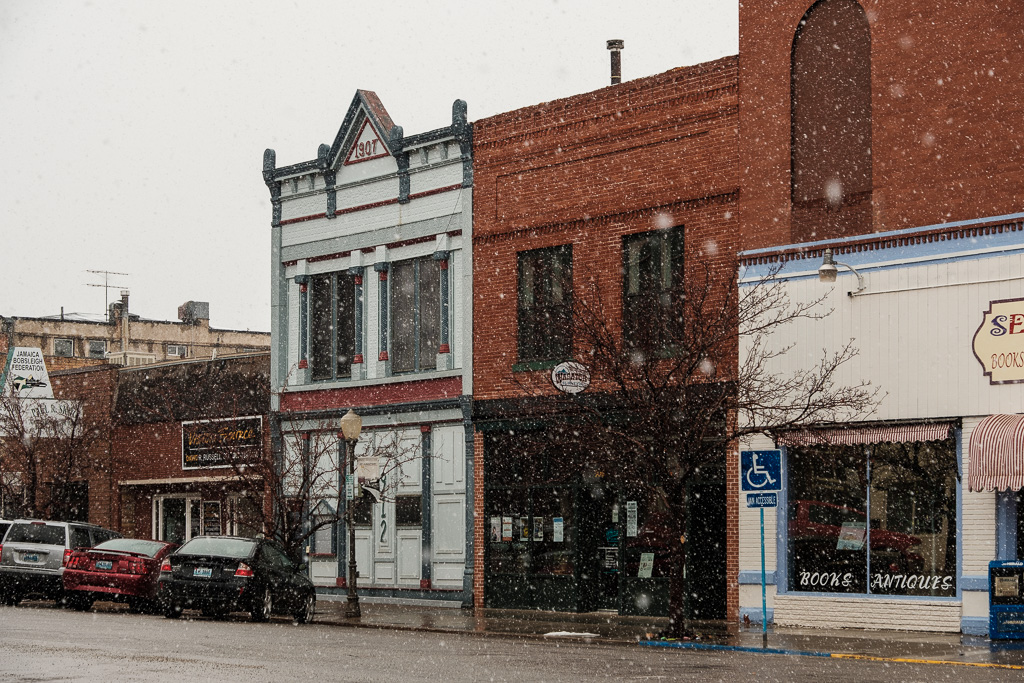
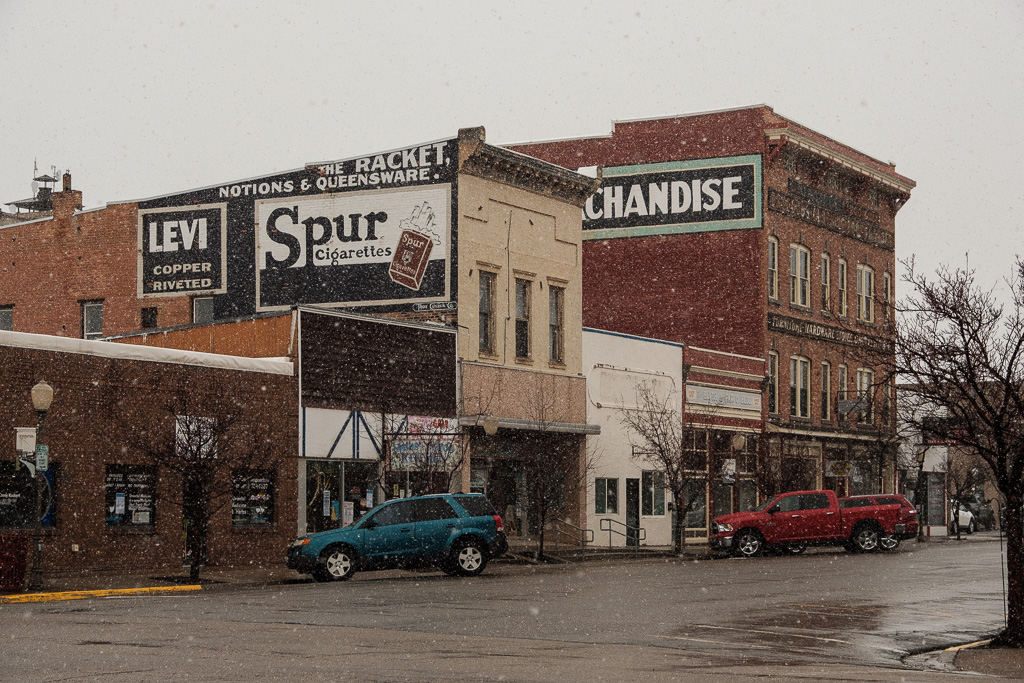
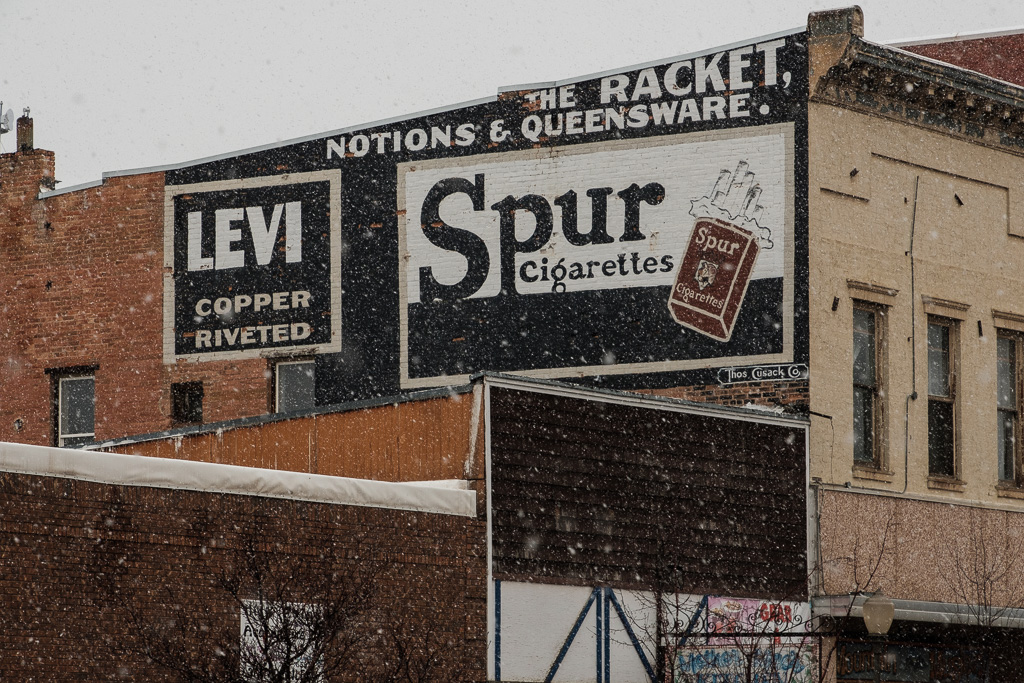
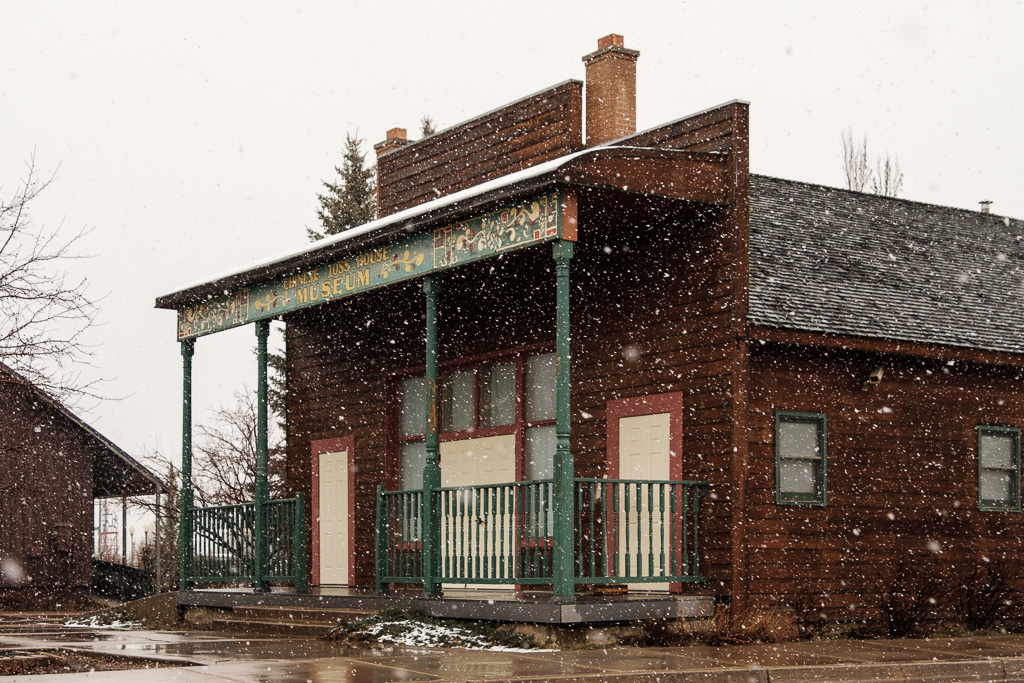
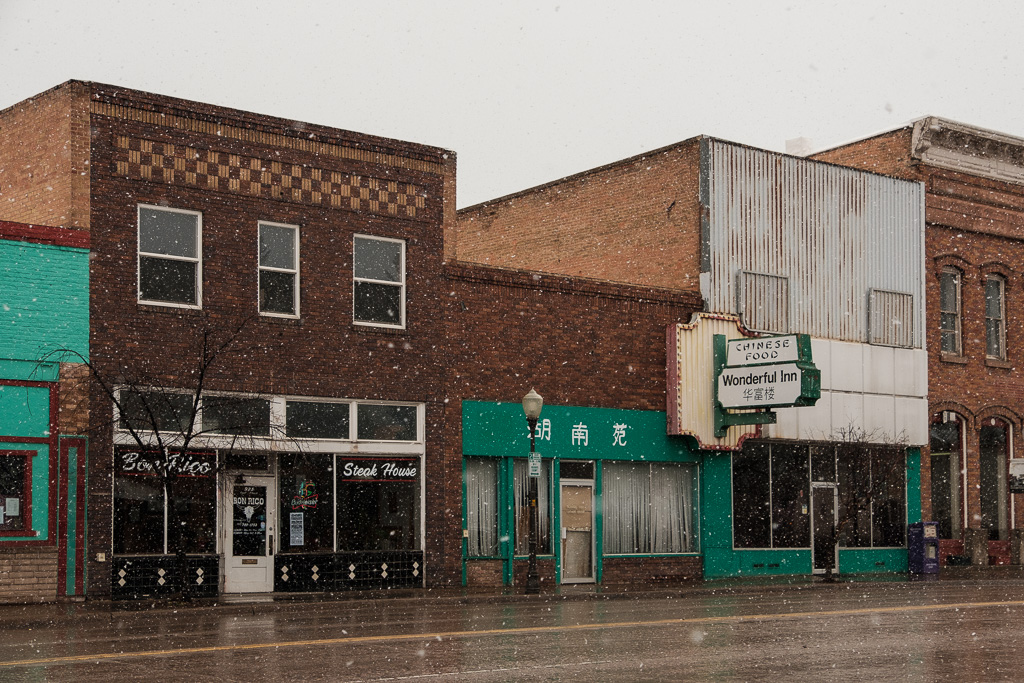
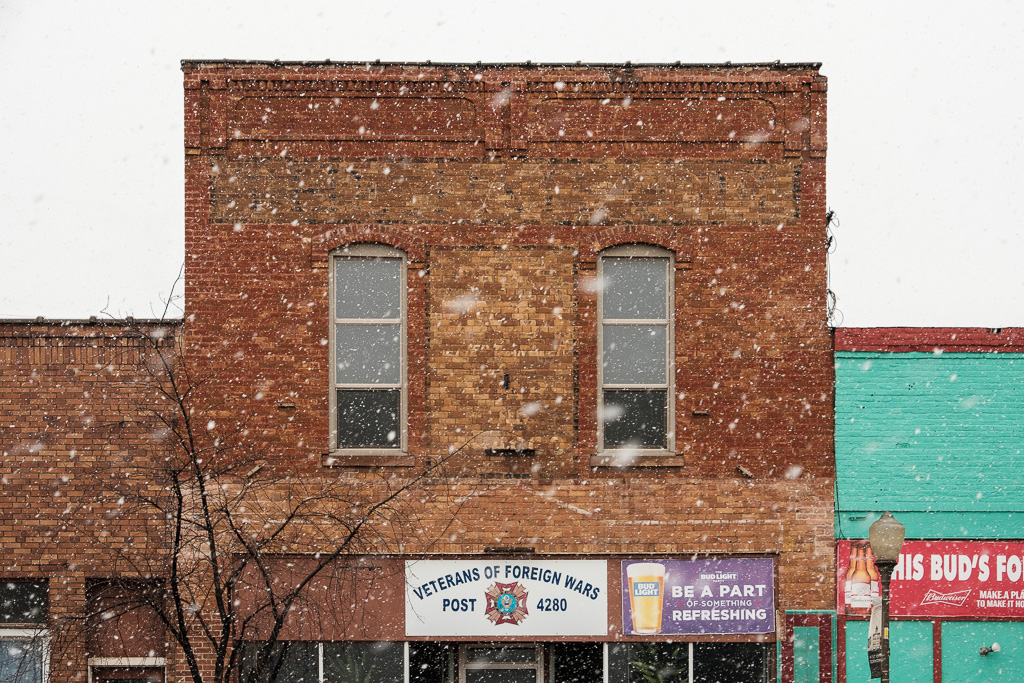
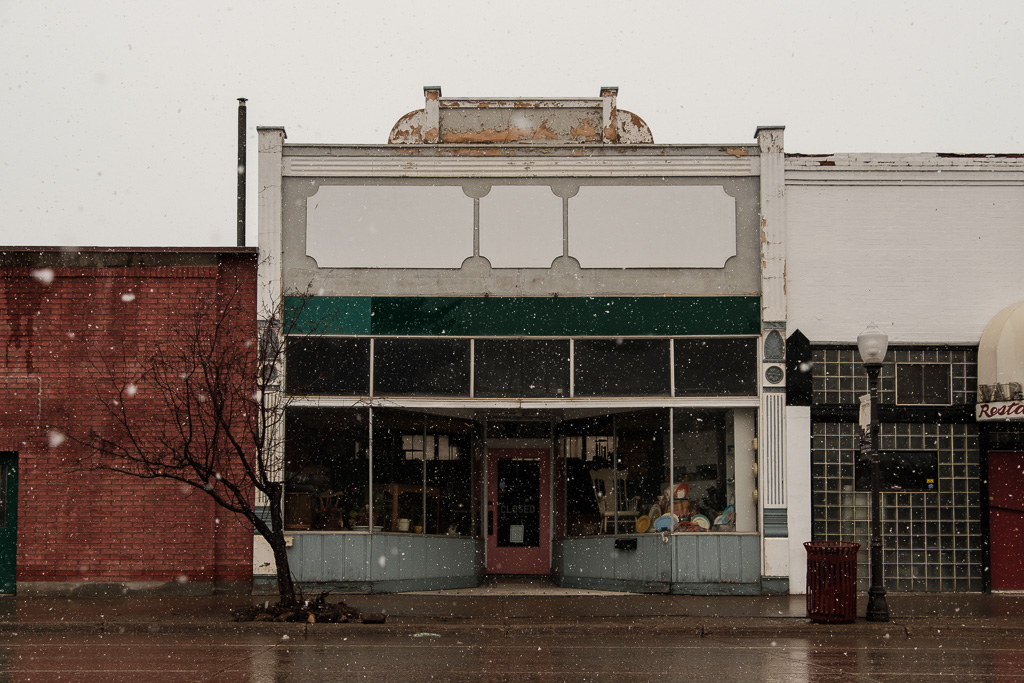
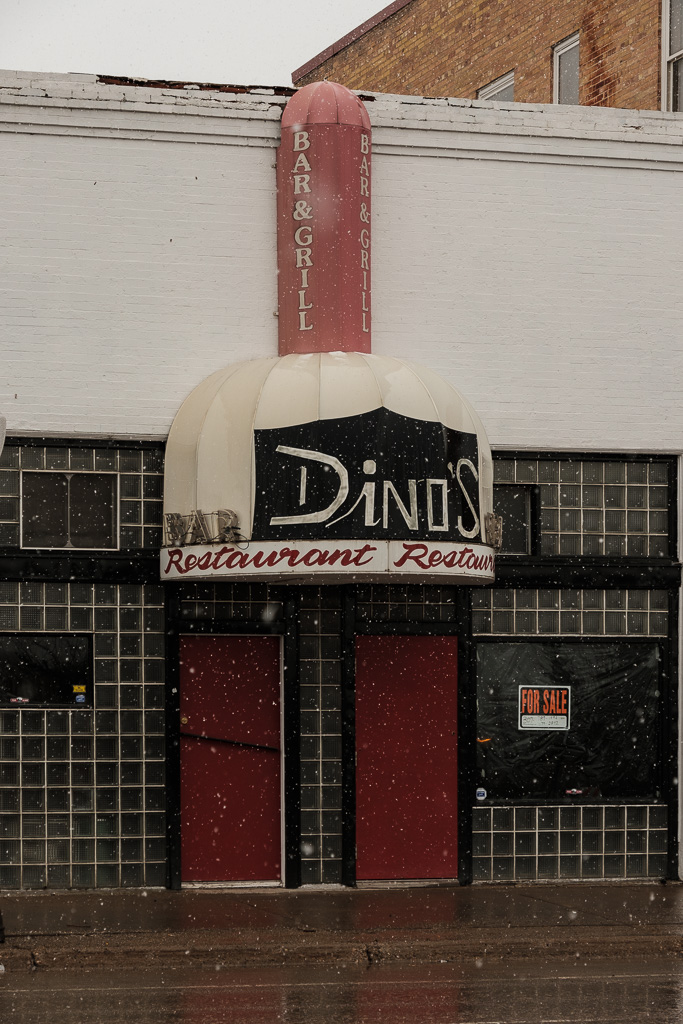
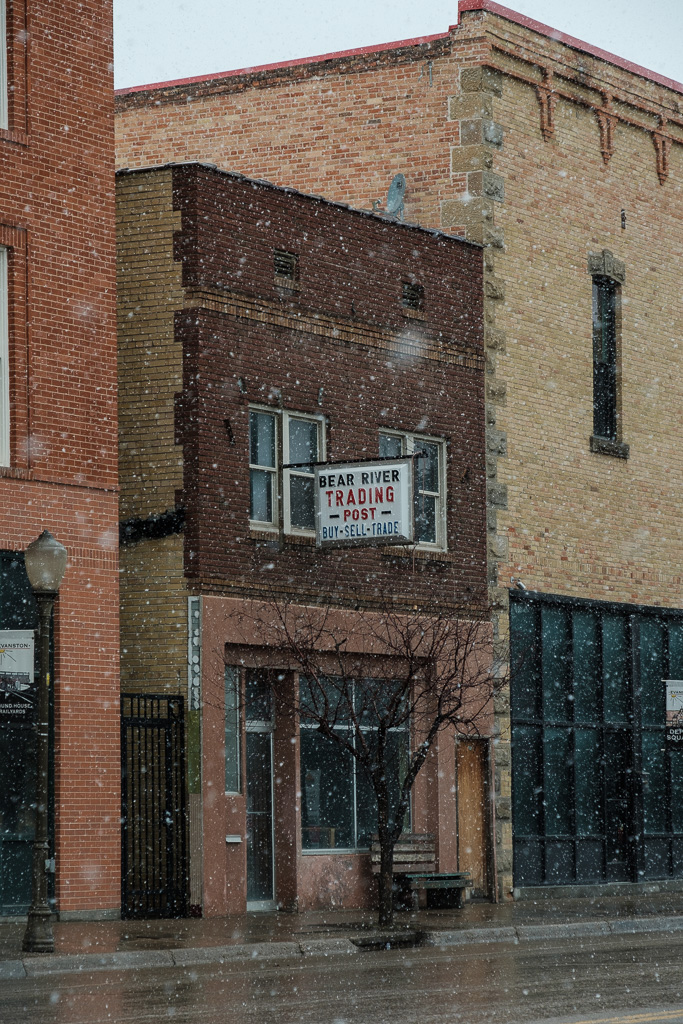
After a treacherous drive in the snow in the Uinta Range I made my first Wyoming stop in Evanston. The grouping in the snowfall (after little Echo UT) is all Evanston. It was an important stop on the Lincoln Highway in its early days. It once had a significant immigrant Chinese population (recruited by the Union Pacific Railroad for laborers and repairmen on the railroad); that’s a replica of the Joss House (Chinese Sacred Temple) in the Depot Square area of the city. It seemed to me that time had forgotten Evanston, too. Supposedly, the oil and gas sector is reviving its fortunes.
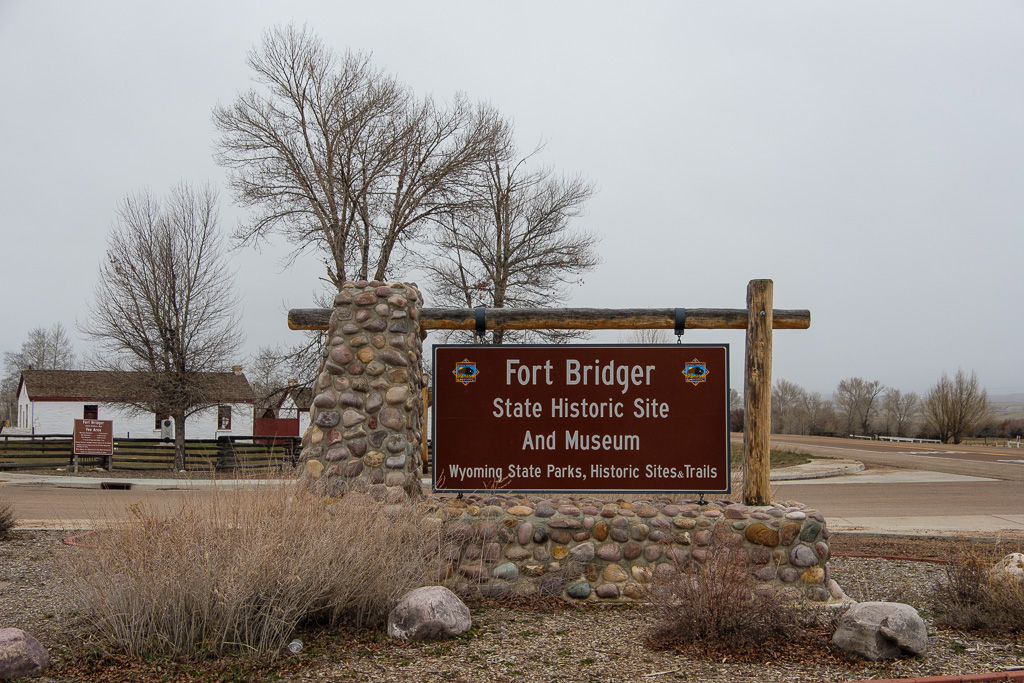
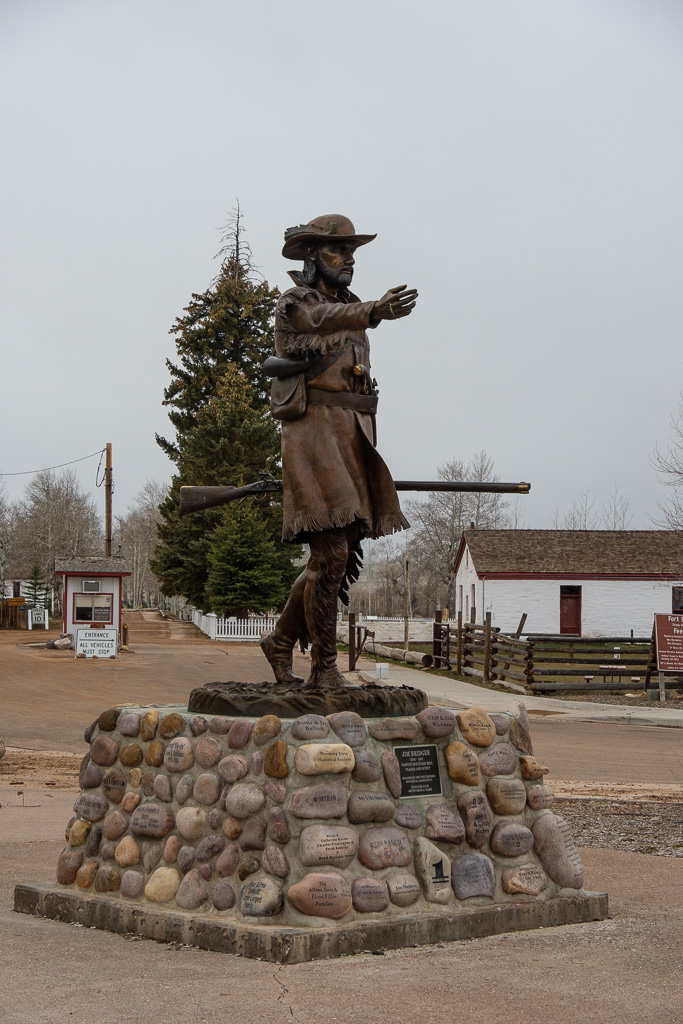
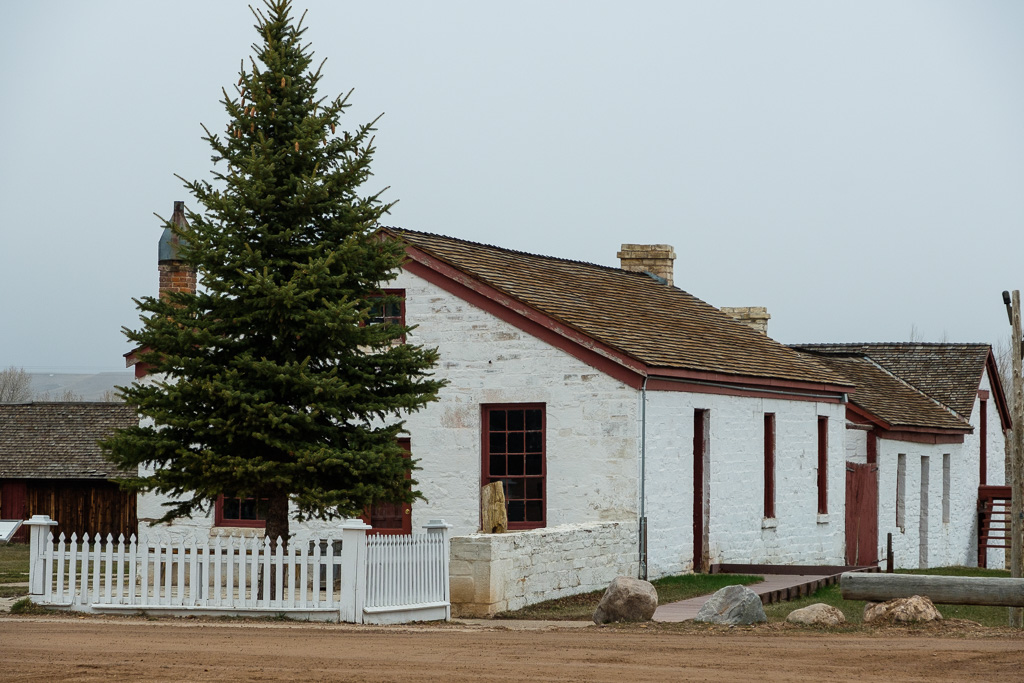
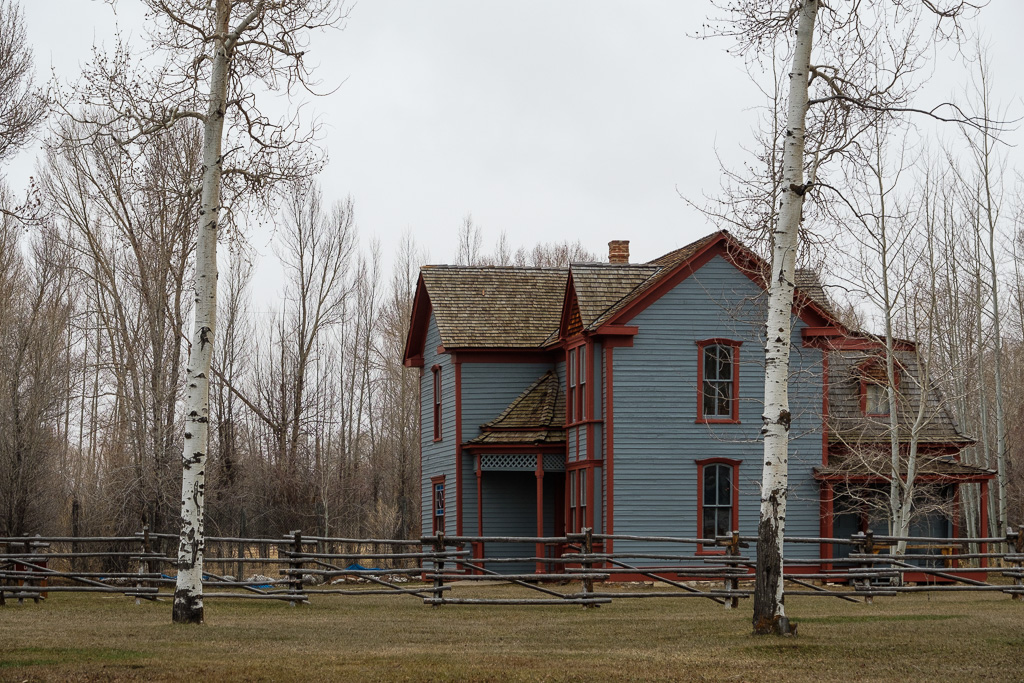
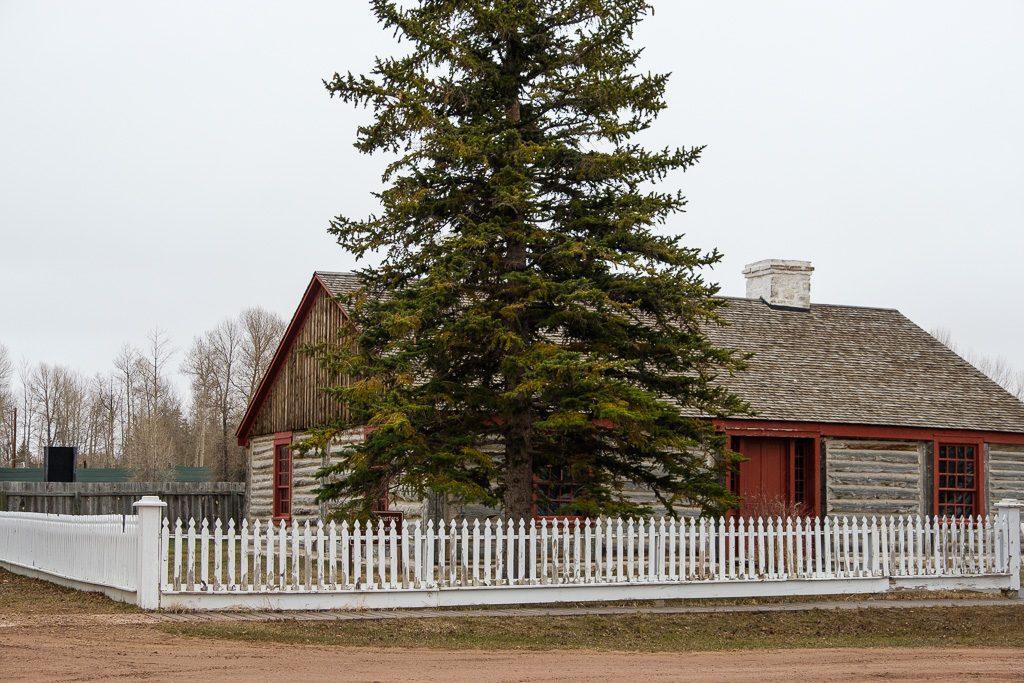
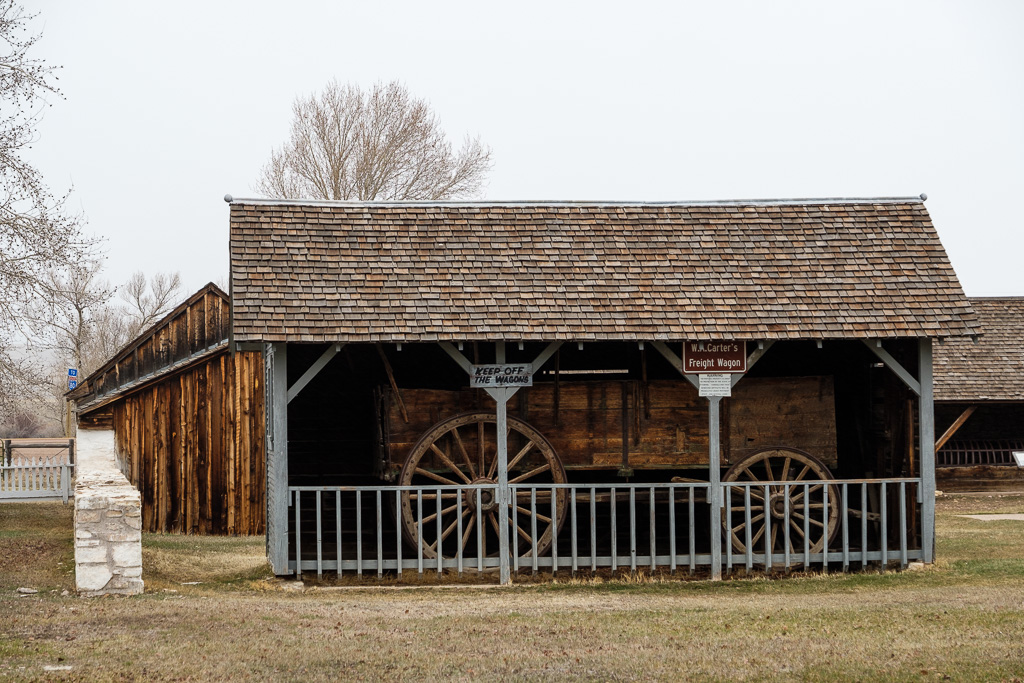
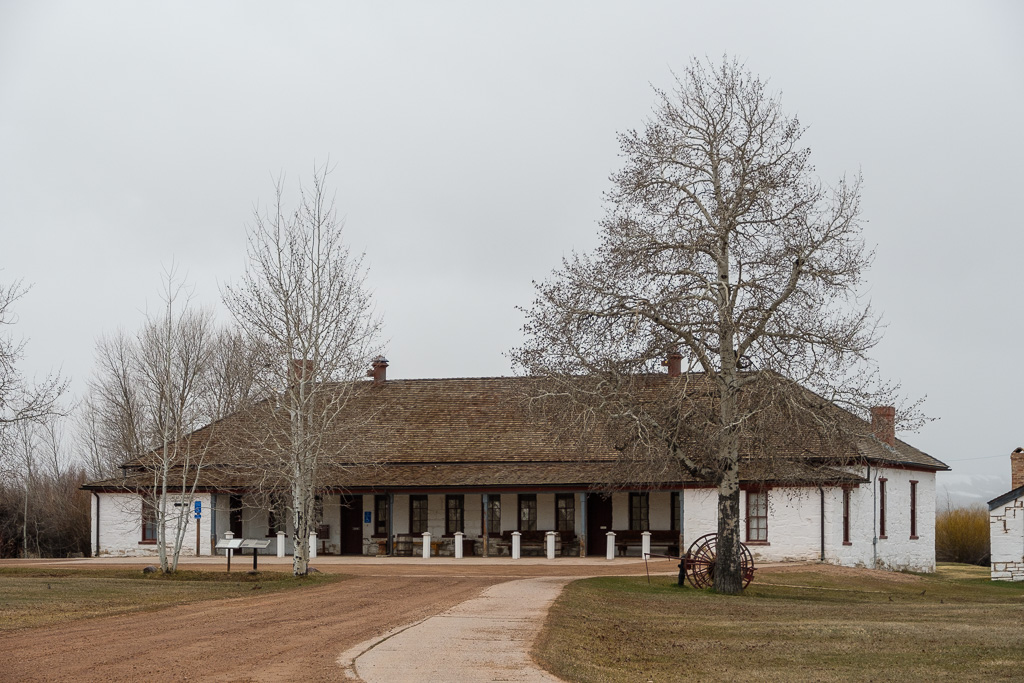
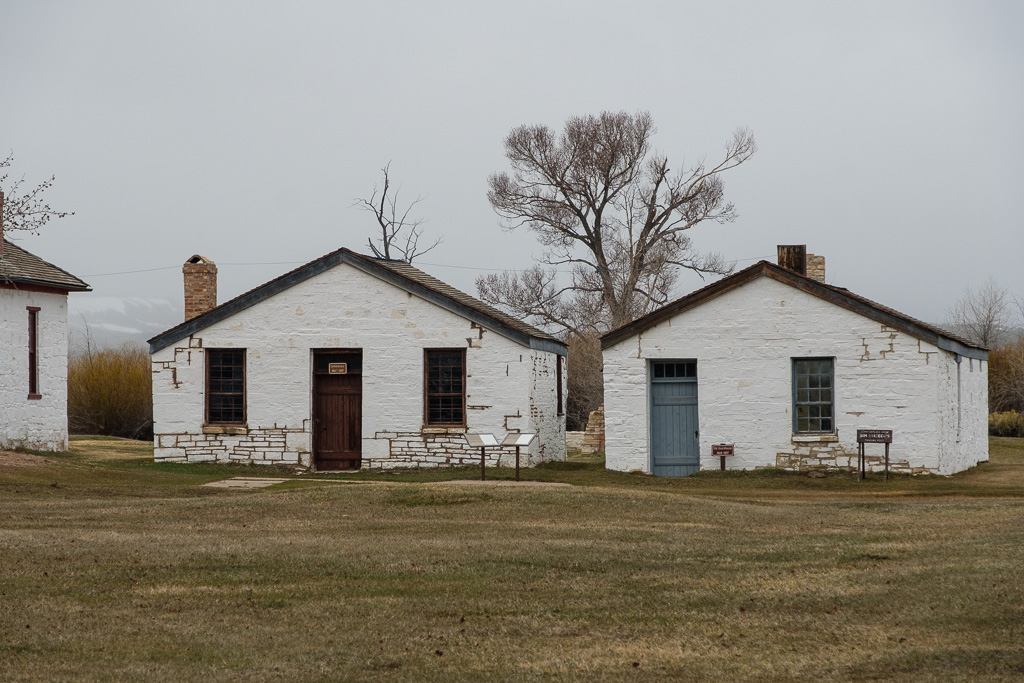
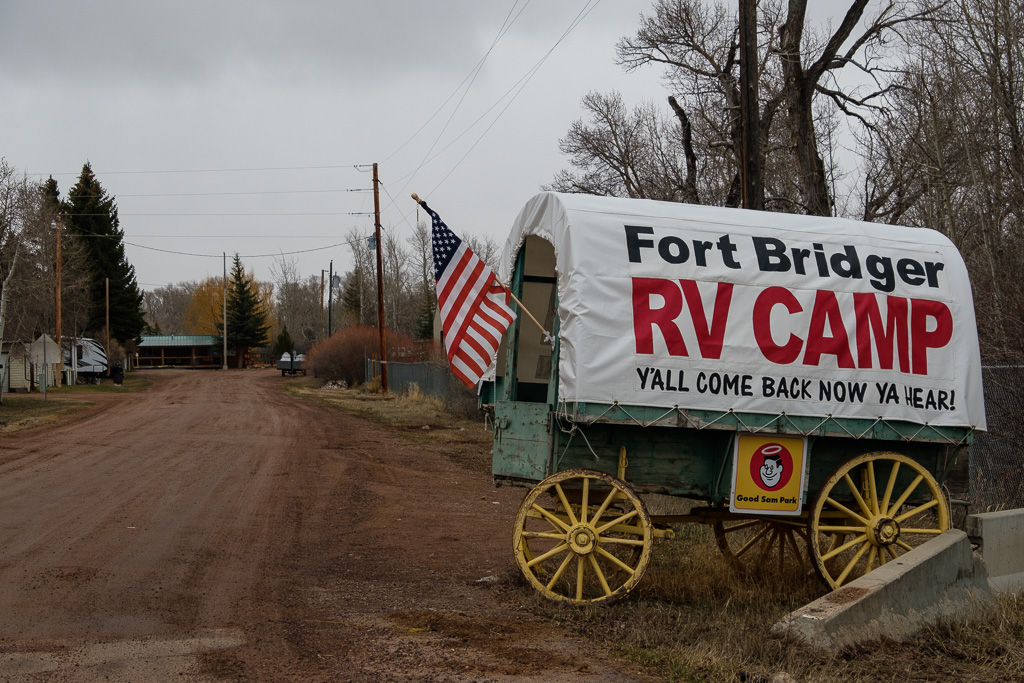
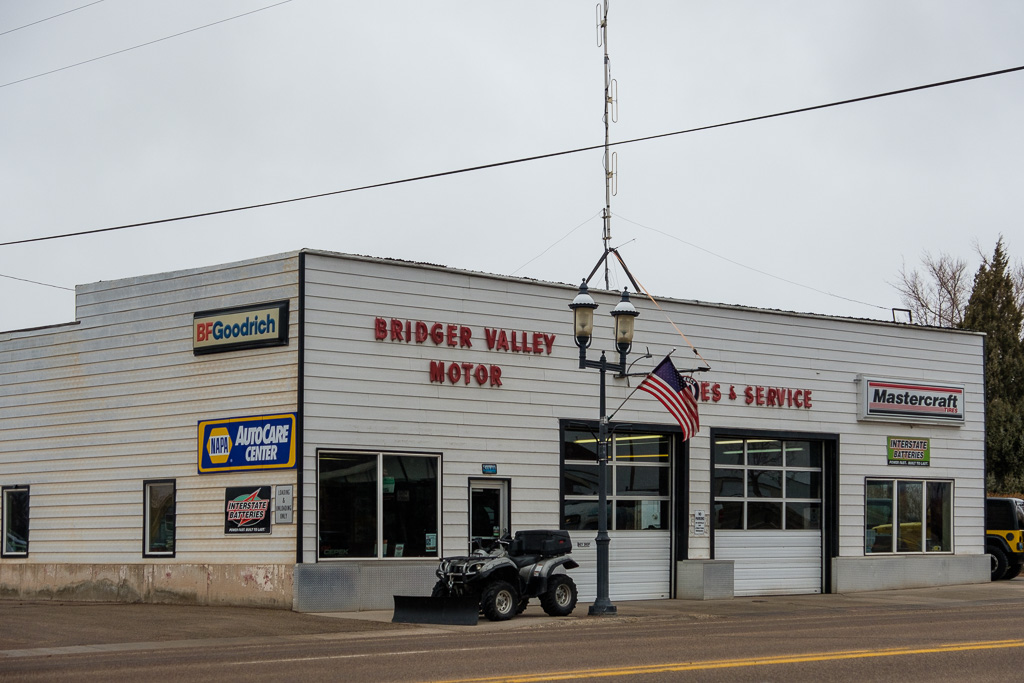
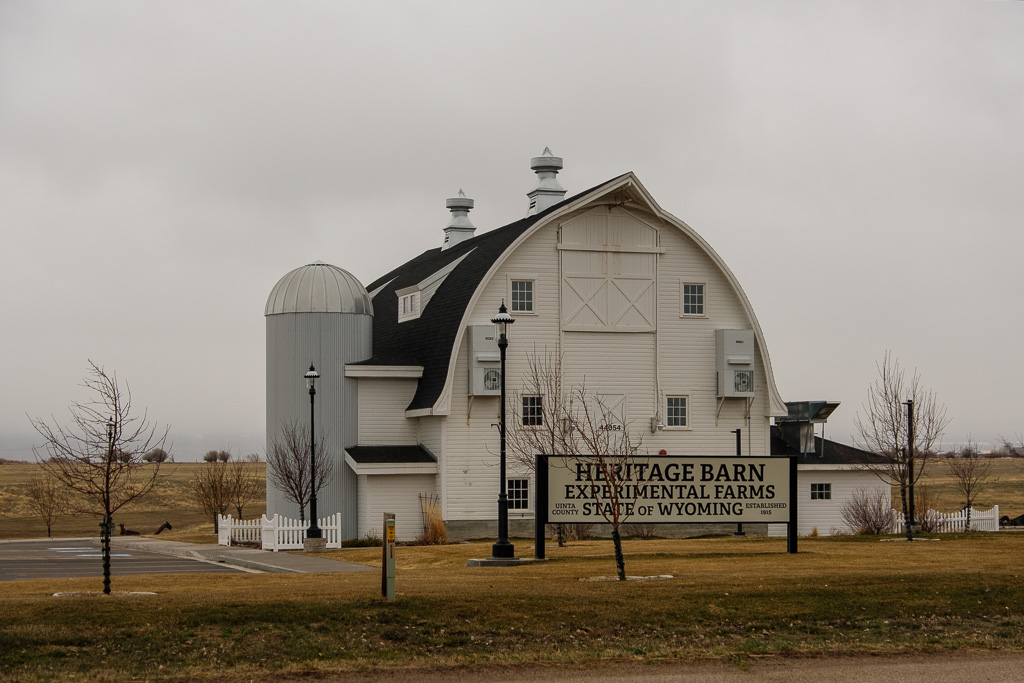
As I continued eastward the weather improved. The next stop was the Fort Bridger State Historic Site. It started out as a trading post on the Oregon Trail and later served as a station on the Pony Express and Overland Stage routes. The US Army eventually took it over and was there until 1890. Read more here.
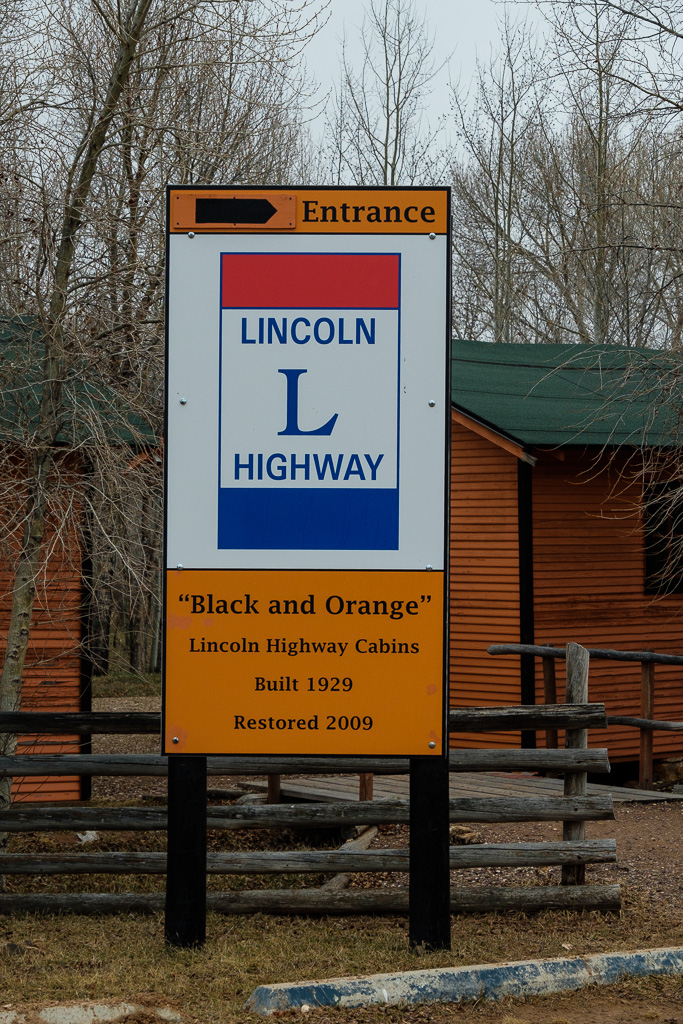
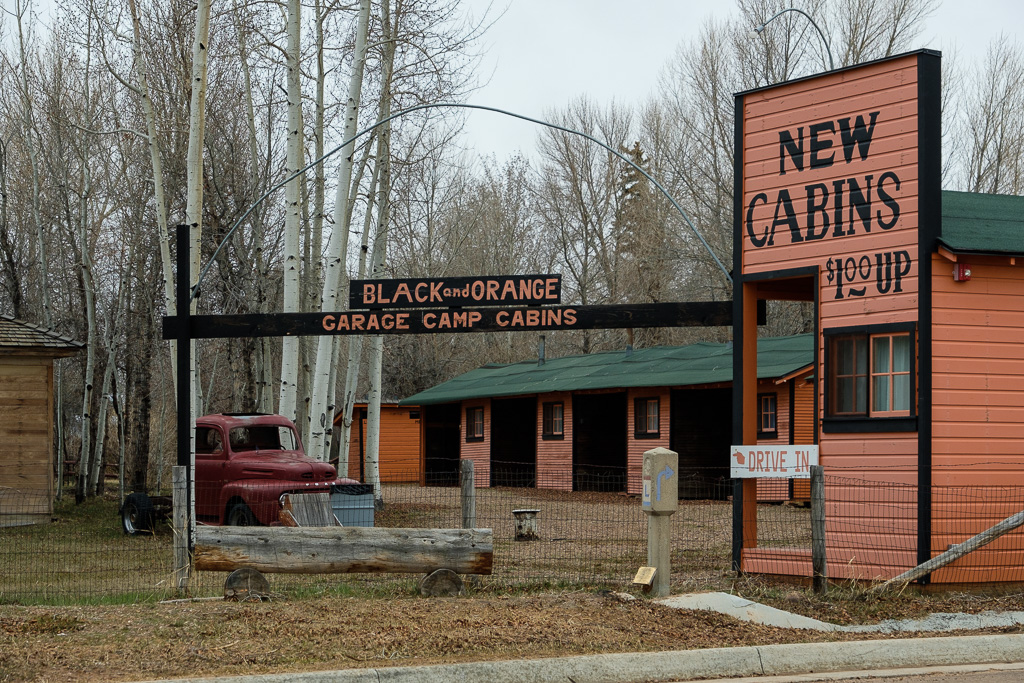
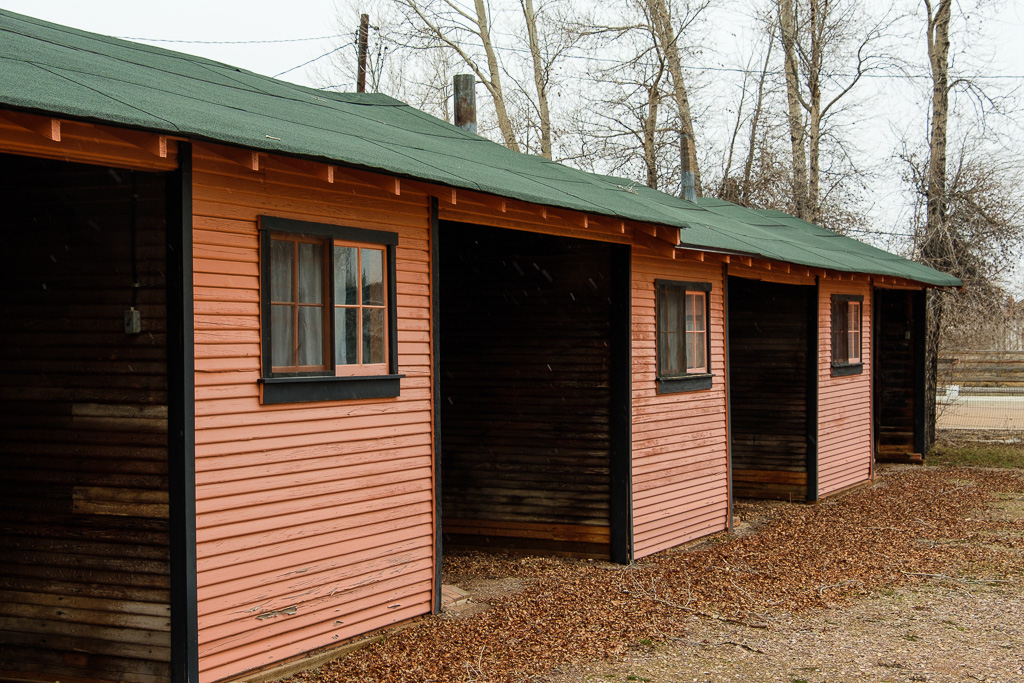
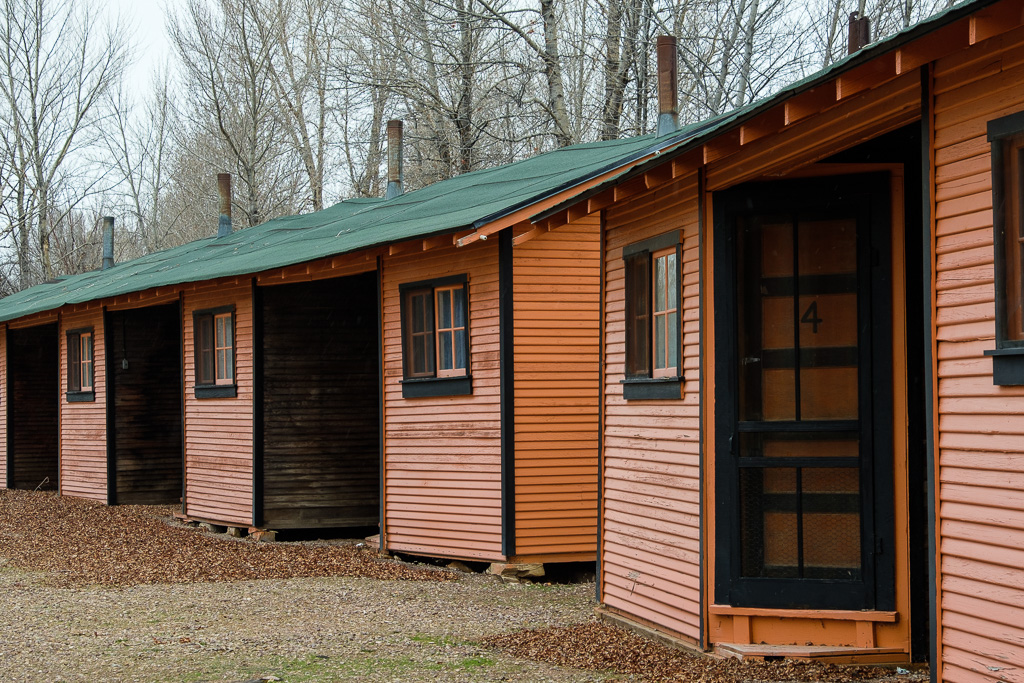
Also in Fort Bridger is an original 1920s vintage motel along the Lincoln Highway route through the city which has been partially restored. Here is just about anything one possibly would need to know about the Lincoln Highway through this corner of Wyoming (and then some).
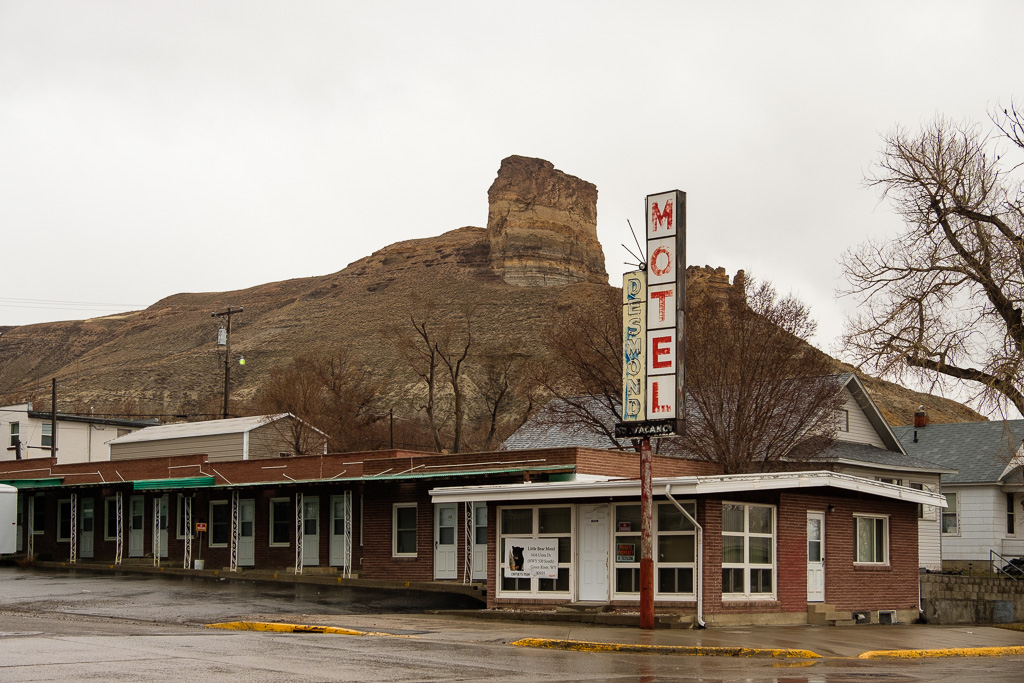
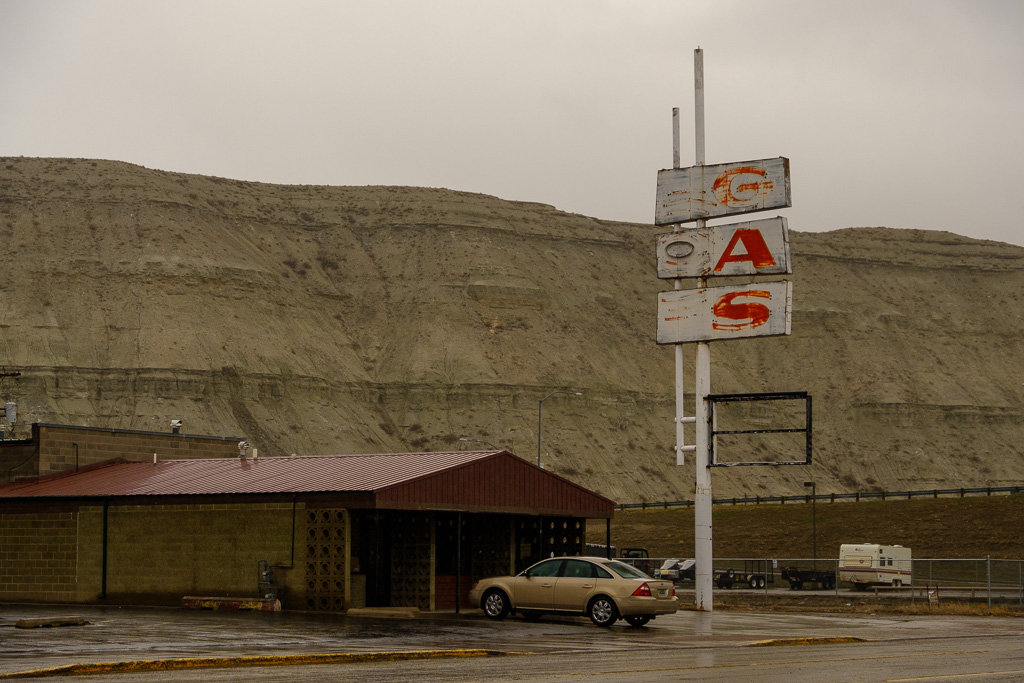
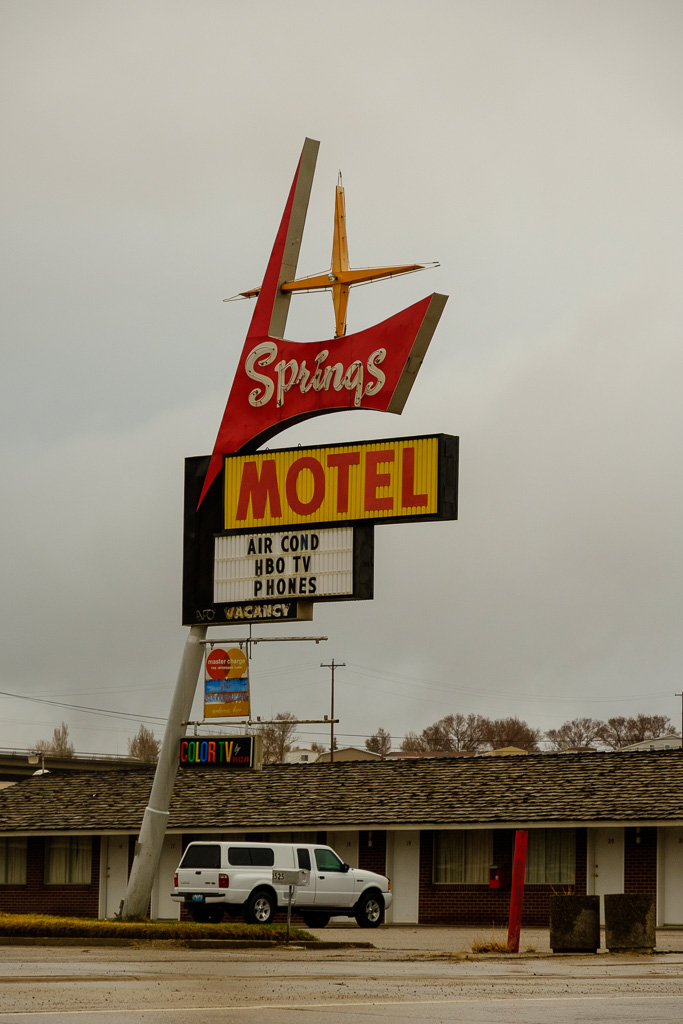
The next and final stop in this set will be in the Wyoming coal country. Rock Springs. The coal mined there powered the steam engines of the Union Pacific Railroad. The energy industry is said to keep it going now. I didn’t linger there. Like Evanston it seems to have had better days.
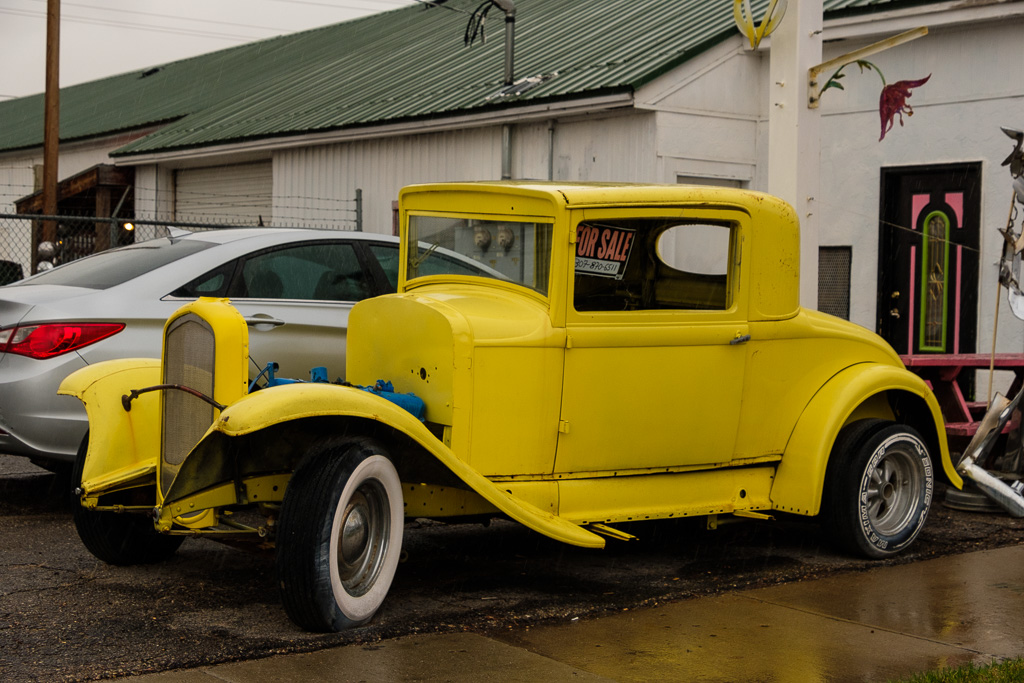
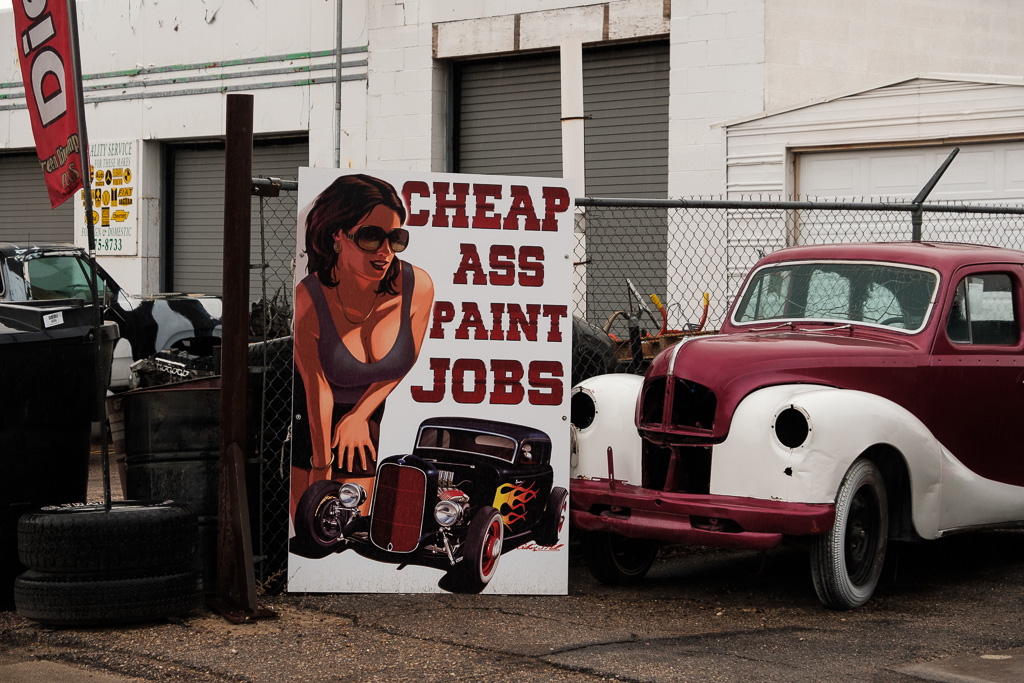
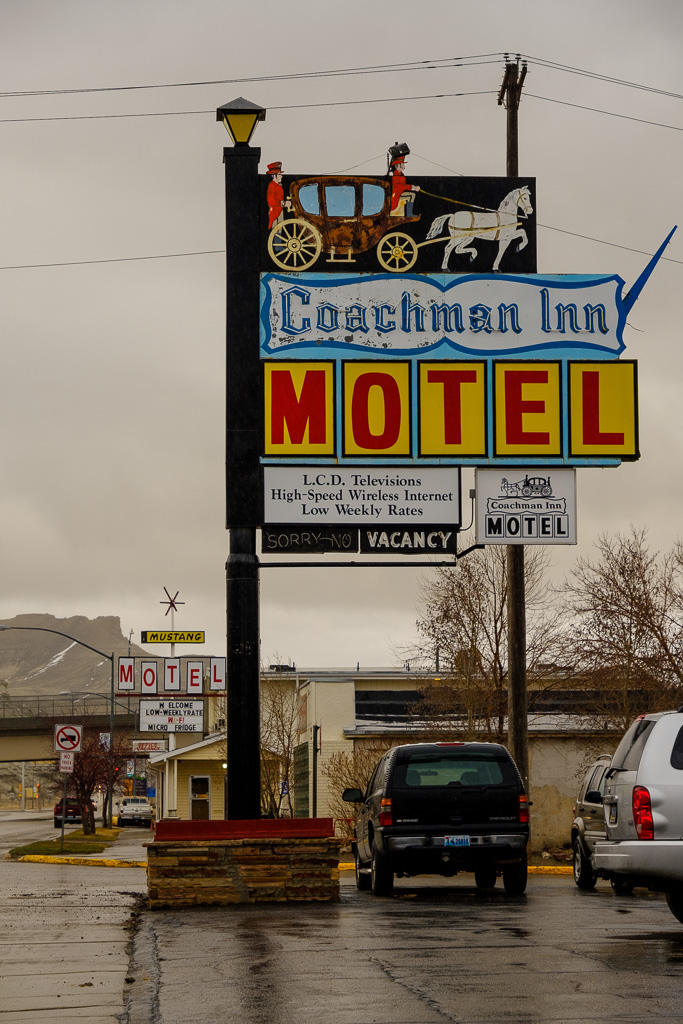
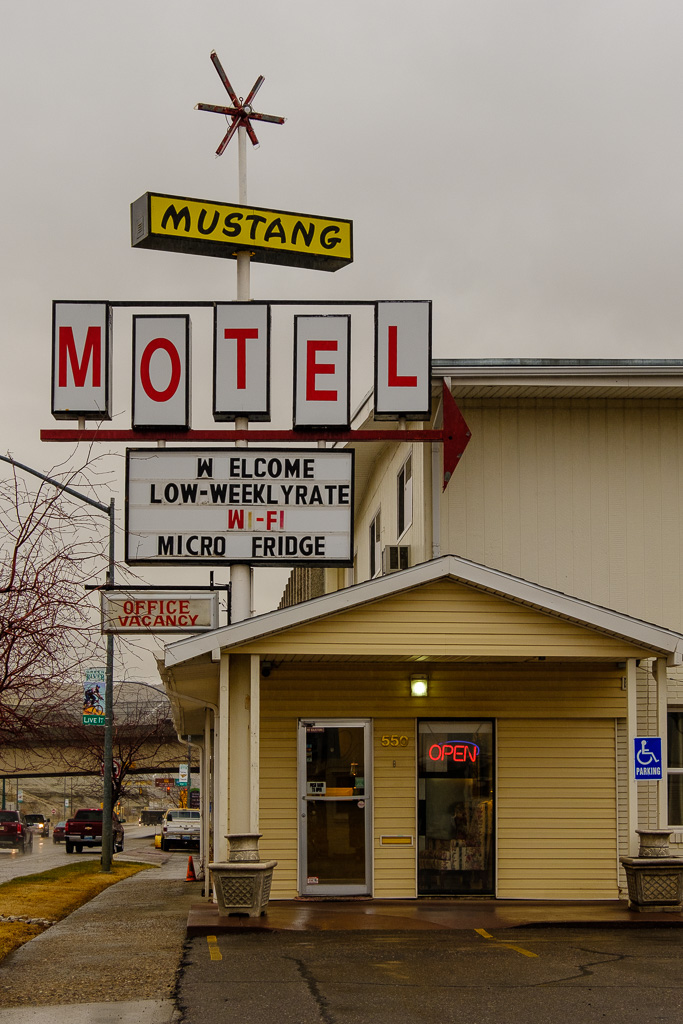
I’ll say this about Wyoming: they may not be at the level of Route 66 signs, but the motels along some stretches of the Lincoln through the state at least get an honorable mention. So do the old cars. More Rock Springs in the next post, and more classic cars and motel signs, too.